Date: April 09, 2026
Following the accident involving the C-130E aircraft with tail number 68-1609 on 11 November 2025, the activities of the Technical Investigation Board, conducted under the coordination of the Turkish Air Force Command, have been continuing uninterrupted, initially at the crash site in Georgia and subsequently at the 2nd Air Maintenance Factory Directorate facilities in Kayseri, where the wreckage was transported.
Detailed examinations are being carried out in a coordinated manner, and throughout this process, joint efforts are being conducted with the relevant expert units of the 1st Air Maintenance Factory Directorate in Eskişehir, the 12th Air Transport Main Base Command, TUSAŞ, MKE, and the Gendarmerie General Command.
Technical Report activities are ongoing, and with regard to the accident investigation, the current status is as follows:
Flight Data Recorder (FDR) Analysis: Examination of the Flight Data Recorder (FDR) data indicates that, according to the digital records, all parameters were proceeding normally up to the moment of the accident, with no abnormalities detected in either the flight crew’s communications or the aircraft systems. It has been determined that the incident developed suddenly, and that the recording ceased due to the separation of the aircraft’s tail cone section from the fuselage, which resulted in the severing of the FDR’s power and data cables. Therefore, no additional data capable of clarifying the accident was found on the recorder.
Technical Examination of the Aircraft’s Engine and Propeller Systems: As a result of detailed inspections conducted on the aircraft’s engines and propellers, it has been determined that both the engines and propellers were operating properly up until the moment of the accident. No evidence has been identified indicating that the aircraft fuselage was damaged as a result of a propeller separation.
Explosive Substance Analysis: As a result of the examination of samples taken from the aircraft wreckage by the Gendarmerie Criminal Department, no explosive substance residues, either internal or external, were detected.
Examination of Structural Damage in Materials: Additional metallurgical examinations and analysis concerning structural damage and traces on the parts recovered from the aircraft wreckage are being carried out in detail. Reporting of the fracture surface analyses identified in the materials is still pending; however, at the current stage, it has been determined that the fractures did not originate from fatigue, although the materials exhibited brittle fatigue behavior during tensile testing.
Media Reports: It has been determined that the reports in the media regarding a nitrogen cylinder do not reflect the facts. In reality, the aircraft was equipped with two 19 kg fire extinguishers containing fire suppression agent (non-flammable/non-explosive Halon gas), which were secured inside the aircraft. These extinguishers were found intact within the wreckage, with no signs of impact or collision.
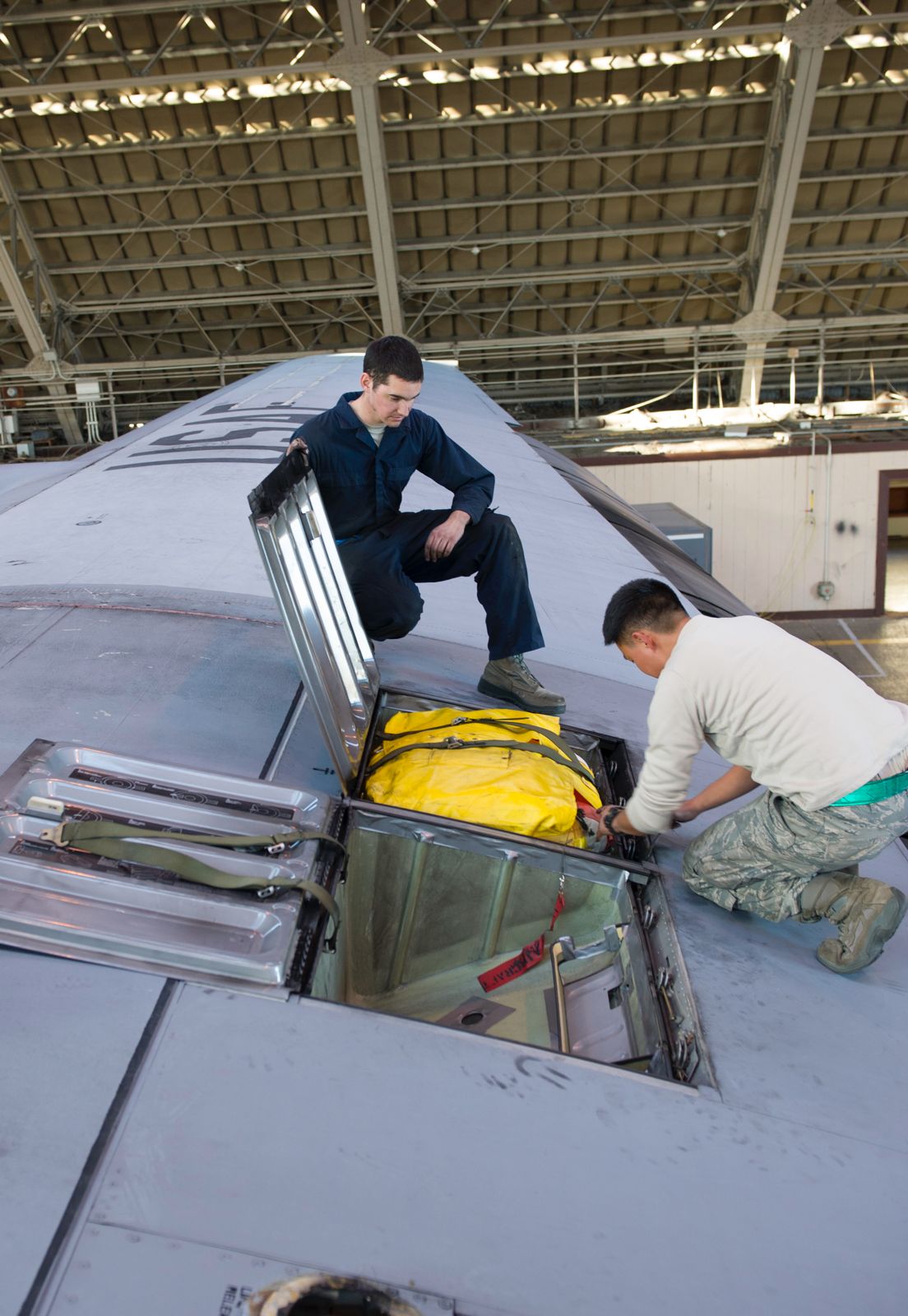
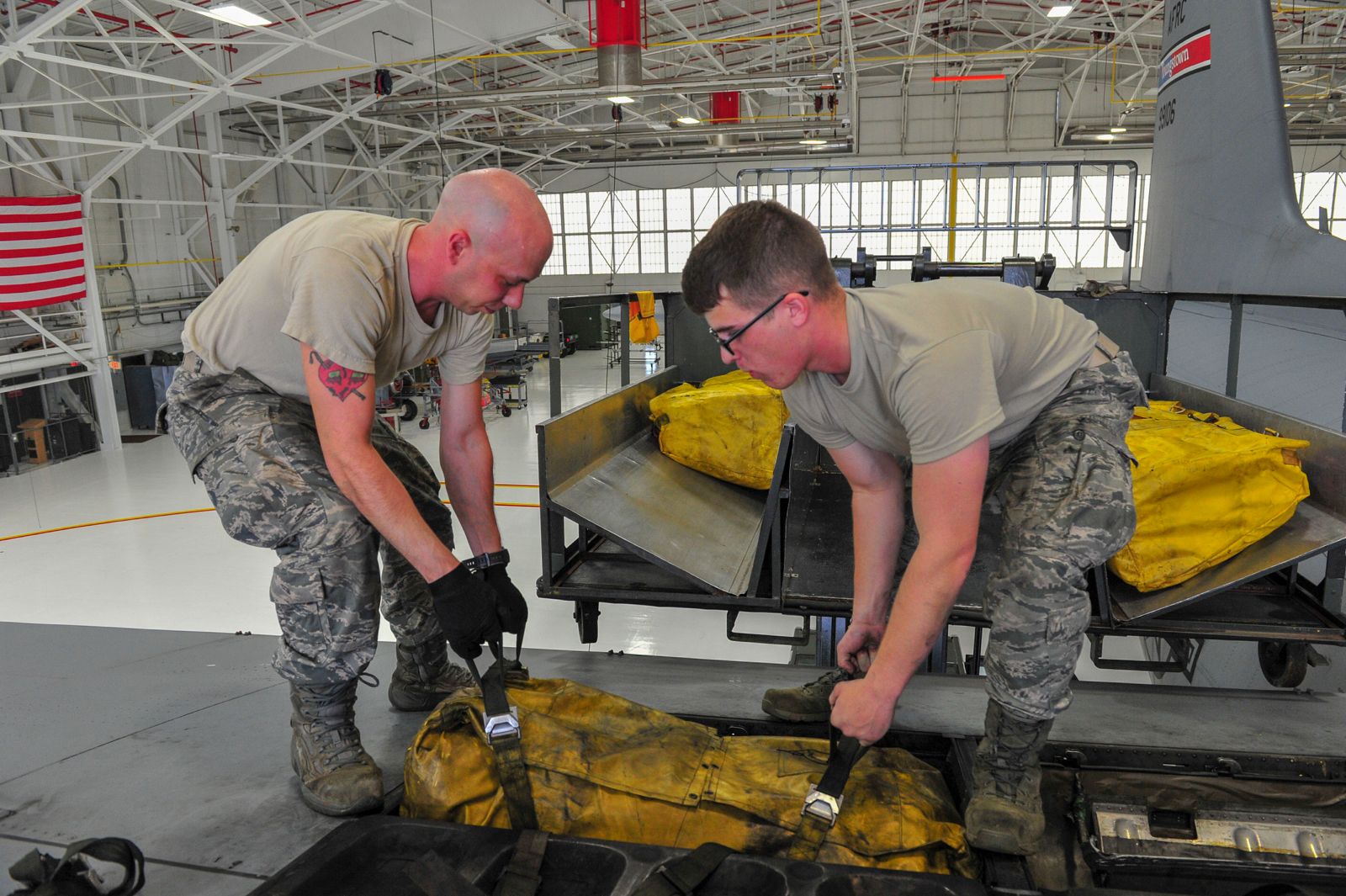
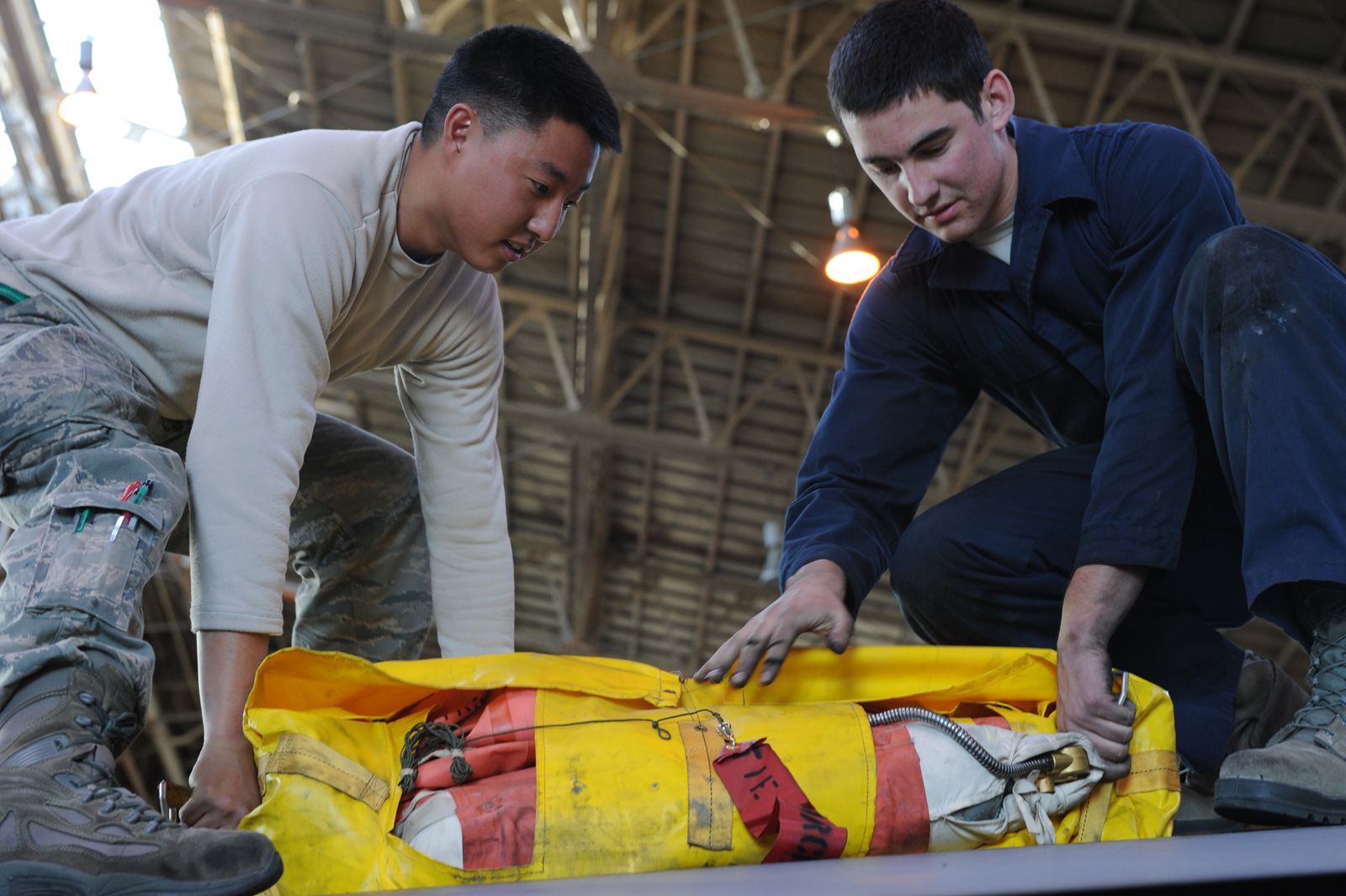
Possible Causes: It has been assessed that one of the dinghies located on the upper section of both wings may have dislodged from its housing together with a cylinder filled with non-flammable/non-explosive CO₂ gas, subsequently contacting the left rear fuselage section of the aircraft and possibly engaging the vertical stabilizer. It is further considered that the impact of the cylinder may have caused structural damage to the fuselage as well as to the vertical and horizontal stabilizers, which could have led to the crash. Metallurgical and technical examinations regarding these findings are ongoing in laboratories.
It is important for our citizens and the public not to give credence to provocative statements outside official announcements. As previously stated, the final report to be prepared upon completion of the relevant processes will be shared with the public in a transparent manner.


.jpg)