A Brand New STM is on the Horizon with an Innovative Approach
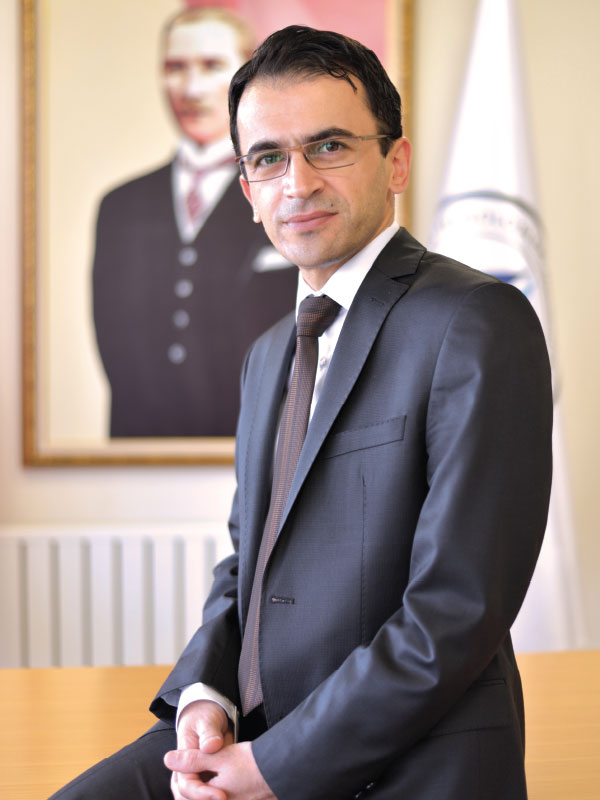
Defence Turkey: Mr. Yılmaz, first of all I would like to thank you for your time. There is a brand new period that has been initiated with you at STM. What will be your vision and strategy in this new period?
Nearly 24 years ago, STM was established in order to provide consultancy, project management and software engineering services to the Undersecretariat for Defence Industries (SSM) and has successfully accomplished such missions so far. However, the recent developments in our country and the surrounding countries, the economic and technological trends throughout the world and the certain countries’ geopolitical tension having impact on the global defence industry motivated STM to revise and redefine its vision and therefore its strategies. Within such a framework, in addition to the missions attached to the company 24 years ago, STM went through a new structure that would enable STM to expand its service areas and capabilities. STM’s horizontal expansion in niche areas and its vertical deepening lie under this strategy that shapes this structuring taking place in the new period. This change in both horizontal and vertical aspects has been configured in a way to provide a dynamic balance together with continuity. In accordance with such a vision, many parameters varying from internal processes to employee satisfaction, from the institutional image to capabilities went through a process of change. We will altogether observe this change’s internal and external reflections in time. It is possible to say that a brand new STM is on the horizon with the indigenous solutions it developed and its rapid and innovative approaches.
Defence Turkey: Mr. Yılmaz, you have recently been elected as a board member of the European Organisation for Security (EOS). This organisation is known to shape the security policies of the European Union. Which advantages will Turkey be enjoying in your opinion, through taking part in such an organisation that plays an active role in the identification of the European Union’s security and industry policies?
In addition to its role for developing Europe’s security requirements within the framework of mutual understanding, the European Organisation for Security is an organisation established for defining the interoperability implementation and supporting the creation of a European security market. Moreover, EOS has been conducting lobbying activities concerning the security sector on behalf of the decision makers of the European Union and it is considered as a major authority in the European market. Cyber security, border management, civil protection/crisis management, protection of critical infrastructures, aviation security, urban security and EU Security Industry Policy’s formation issues take part amongst the main areas of activity of this Organisation with over 40 members Europe wide. As you may know, in the recent period, Border Security, Cyber Security, Organized Crime, illegal immigration and the fight against terrorism are amongst the European Union’s priorities and the EU attaches special importance to cooperation with Turkey in these areas. As EOS members are composed of the European industrial companies and research institutions creating solutions in the aforementioned areas, the EU consults with the representatives of the private sector on the technology solutions regarding EU security through the EOS. Regarding the cyber security and border security areas that are considered as the priority issues within the scope of the European countries’ security requirements, the EOS members have been exerting efforts in order to create an infrastructure for the initiation of programmes of great scales on behalf of the EU and conducting lobbying activities for providing funds to this end. In this respect, the recognition of Turkish companies’ technologies has to be increased and such companies offering their technologies as a solution to such issues would have to take part in the scenario from the beginning of the activities. I believe that my membership to the Board of Directors on behalf of the STM –that has been the single Turkish member of the EOS since 2011- would be enabling STM to become a part of the technology development activities conducted in the European level and also allowing the company a potential to shape and affect the process.
Defence Turkey: Turkish Regional Jet Development Programme has been recently introduced to the public opinion. Which type of a role would STM be assuming within the scope of that programme?
STM’s role as part of the aforementioned programme can be expressed briefly as “Conducting the Programme on behalf of the Undersecretariat for Defence Industries”. The main components of this role are the points identified by the contract; but in summary the management of the financial, administrative, technical, etc. processes will be included in this role. Besides, as a company that embodies Turkey’s greatest aviation/aerospace certification team, providing support (in sense of certification) to the aircrafts that would be modernized or designed from the scratch and to the eco-system created for the aircraft would be an essential role as well. Moreover, we will also be assuming an important mission, being in charge of the localization in order to involve the capabilities of the domestic companies in the project. In this point I would like to state that STM will not only be assuming a role within the scope of the Regional Jet project but also in the Turkish Fighter Jet (TFX) Programme and last but not least, with approximately 30 engineers who are experts in their fields, it will provide support to the Project Management Office.
Defence Turkey: In the upcoming period, can we see STM in the civil aviation arena with different and indigenous products such as the “Focus Flite” actively both in domestic and international markets?
In addition to the Focus Flite that is the member of our aviation product family, we are developing solutions for civil aviation with the “AeorTab” and “AeroSuite” solutions. Moreover, we are working on developing innovative solutions especially in flight, operation and maintenance areas. I believe that soon we will be observing the reflections of such efforts in concrete products. On the other hand, our negotiations are ongoing for the entry of the existing products and the ones under development both to the domestic and international markets.
Defence Turkey: STM have been investing especially in the cyber security and big data areas in the recent years and in accordance with the Undersecretariat for Defence Industries’ strategies in this area; you are positioned as a centre of excellence. Which obligations will you be assuming within this framework? Regarding cyber security, are you planning to put forward indigenous and integrated products that will compete with its powerful rivals in the world in the near future? Could you please inform us on your investments and efforts in this respect?
Initially I would like to state that cyber security and big data will be the most important areas of STM that will be coming to the forefront soon. As STM, we are shaping our activities regarding cyber security in light of a vision of becoming a centre of excellence not only domestically but in a worldwide scale. We are attaching great importance to the R&D and product development in cyber security area and making very prominent investments in this area. With our well-trained and expert labour force, we are exerting great efforts in order to establish our title as a reliable solution partner and a high added-value service provider in this area. Therefore, we are supporting our Cyber Security solutions with our Big Data activities and thus developing integrated products. We are working on the establishment of an eco-system through building cooperation with the companies, universities, institutions and associations in this area. Moreover, through the cooperation agreements we make with the universities, we are providing academic contribution to our R&D activities while we support the efforts for training quality labour force in this area. In addition to the aforementioned points, we are representing our country in many international organisations such as the NATO, European Organisation for Security (EOS), European Cyber Security Protection Alliance (CYSPA). Regarding cyber security, as STM, we are currently providing services in different areas to many distinguished institutions and associations in our country. The increase in the number of companies we provide services to and their ever-increasing demands for our services are a clear indicator of our company’s reliability and competence on this issue.
Defence Turkey: Regarding the export of Turkish Defence Industry’s products, a major role was attached to your company by the Undersecretariat for Defence Industries in the previous term. What would you like to express on the events and promotional activities that you are conducting to this end and also on your organisational structure in this sense?
In accordance with its shareholding structure and work discipline, STM protects the benefits of our Undersecretariat for Defence Industries therefore the benefits of our state while rapidly tracks the new business and cooperation opportunities on a global scale with its dynamic structure as an advantage of having a private company status. STM pays utmost attention to the sensitive issues such as privacy policies and to the need- to-know principle while conducting its business development activities. Since 2011, within the scope of the Export Support Project (ESP) for increasing the bilateral cooperation and developing the defence industry exports, the company has been conducting its activities for establishing and maintaining SSM Offices in four regions abroad. In line with our target of accomplishing defence industry exports worth 25 billion 2023, I believe that our international organisation will reach a more global and powerful status through our offices abroad opening soon and with the SSM International Cooperation Department’s strategic export approach project known as the SSM-STM cooperation in the upcoming term.
Defence Turkey: What are your views regarding the functions of the abroad offices within the scope of the promotional activities and bilateral negotiations and relations with other countries?
As part of the Undersecretariat for Defence Industries’ Export Support Project, we are conducting the establishment and management of international cooperation offices, employment of their personnel, promotional activities, provision of advertisement, introductory films and catalogues to the foreign media organs, logistical activities, brand and slogan activities. On the other hand, we are also responsible for the protection of our national interests, their coordination in the negotiations executed with the representations of the foreign countries and with the international organisations besides our mission of conducting coordinated activities with our consultancies and attachés’ in those countries. Moreover, in order to promote the Turkish defence industry and improve our commercial relations regarding the defence industry with the related countries and associations; in addition to the four existing and active offices abroad (Washington D.C., Riyadh, Brussels, Asthana), we are continuing our efforts to open additional offices in the coming years in South America, Africa and South East Asia regions that have annually increasing financial power and defence expenses. To this end, our activities and efforts for maximising our defence industry exports and for the Turkish defence industry’s promotion will be continuing and increasing in coordination with the foreign governments and their representations and our representatives in foreign countries.
Defence Turkey: As we know, Turkey has a defence industry export projection for the next era. In line with this target, our major defence companies developing indigenous products especially for the platforms have been conducting their foreign marketing activities through their own organisation structures. On the other hand, there are companies of small and medium scales which are capable of producing technology, investing in the depth of the fields yet are incapable of promoting/introducing themselves in the foreign markets. Within such a framework, will a structure that supports and demonstrates such companies as well as our indigenous platforms and products be created with the strategy that will be formed?
As a matter of fact, as an affiliate of the Undersecretariat for Defence Industries, we are conducting the foreign marketing, promotion and export management activities of the medium sized companies that are active in the defence industry. With the help of these activities and through a holistic approach, we are introducing the capacities and capabilities of our producer companies and thus enable the execution of the promotional activities in a more professional and controlled manner. Besides, under the auspices of the SSM, we participate in the fairs and other events within the potential export markets. On account of the events we participate nationally, we conduct the guidance and provide information on developing the cooperation amongst governments, tracking and solving the issues arising in the ongoing projects, identifying new areas for cooperation, developing opportunities for accessing markets, improving cooperation amongst the domestic companies for enabling the industrial cooperation, opportunities for increasing the sales to third countries and developments regarding the sector.
Defence Turkey: Regarding the Navy Fleet Tanker Project, the construction works of which are ongoing at the Karachi Shipyard in Pakistan, could you please inform us on the works accomplished so far and on the programme schedule?
The Pakistan Navy Fleet Tanker Project we signed in 2013 has been continuing successfully. Sixty percent of the construction of the vessel has been completed and we are planning to launch the vessel into the sea within 2016. The Pakistan Navy Fleet Tanker Project bears the characteristic of being the greatest vessel export and platform once and for all by the Republic of Turkey. In this respect, it is of great essence for us. Our efforts for implementing this fruitful model we have been implementing in Pakistan, in other countries in the construction of both combat and auxiliary class surface ships. We have matured our negotiations with many countries, especially with Kazakhstan, Azerbaijan, Kuwait and Romania. We hope to bring you good news that would contribute to the export of our Defence Industry soon.
Defence Turkey: Could you please inform us on your responsibilities regarding the MiLGEM and New Type Submarine programmes and the up-to-date status of these projects?
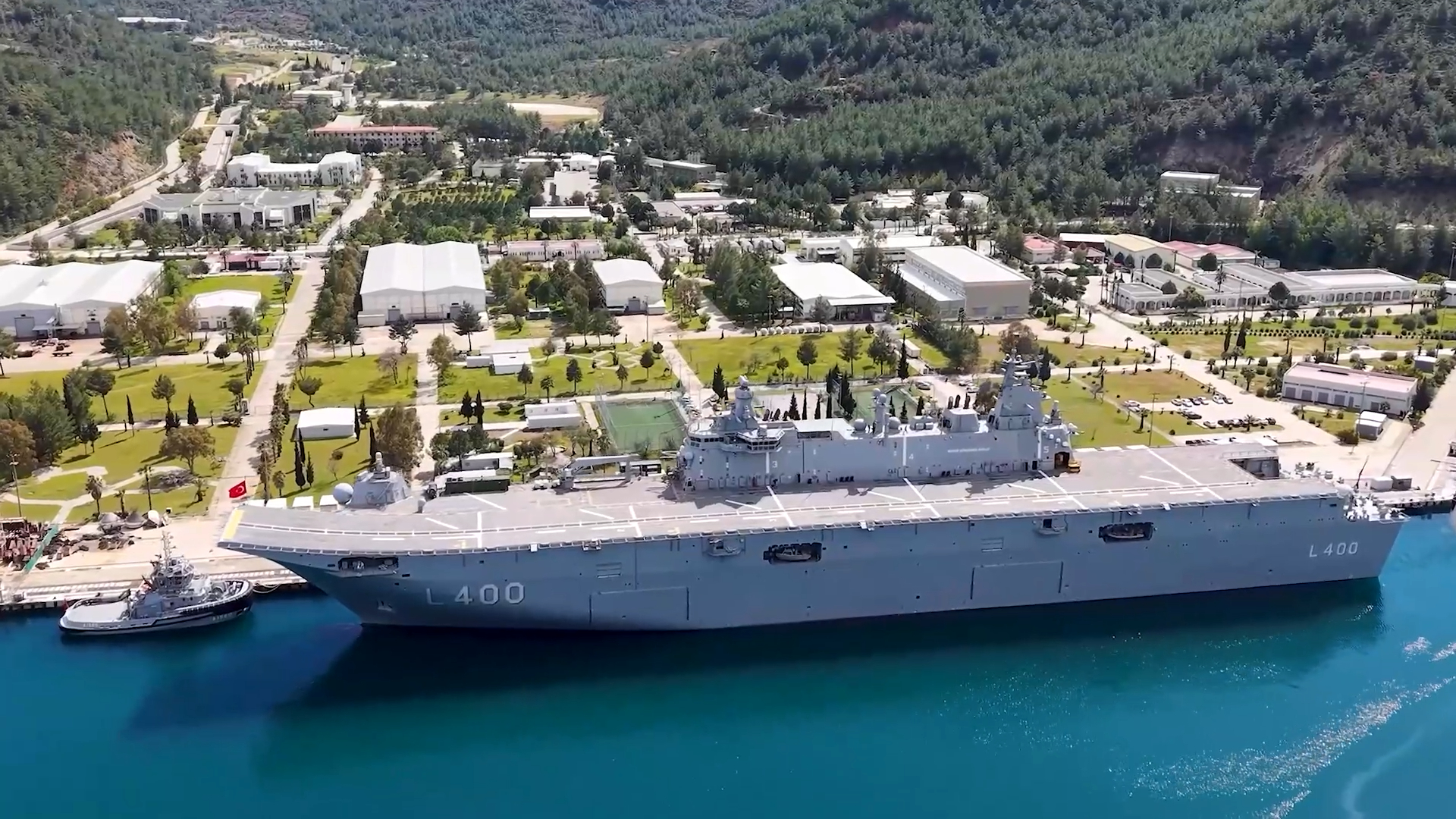
As you know, within the scope of the MILGEM Project, the Prototype Vessel “TCG Heybeliada” was delivered to the Naval Forces Command in September 2011 and the second vessel named as “TCG Büyükada” was delivered in September 2013. In 2014, we assumed the Main Propulsion System Integration of the third and fourth vessels of the MILGEM Project and signed a new contract. On the other hand, within the exports of MILGEM and the marketing of our other naval platforms, we made many promotional activities in the Gulf region and African and Asian countries. Here, in addition to the presentation of our Ada Class Corvettes’ capabilities, we also had the opportunity to present the capacities of our domestic companies as part of our role of increasing the domestic participation rate of our industry. The domestic participation ratio observed around 60% in the first and second vessels of the MILGEM programme increases distinctly in the third and fourth vessels. Within this scope, in line with our military vessel export activities; all domestic companies taking part in the project seize the opportunity to enter foreign markets. Thus, we contribute to the development and improvement of the domestic industry.
Within the scope of the New Type Submarine Project, in December 2009, for the construction of six Type 214 submarines having air – independent propulsion system, a sub-contractor contract was signed with the HDW/MFI Business Partnership. As part of this Project, STM assumed tasks in design, engineering and system integration activities and in order to increase the domestic participation rate in the project; our company successfully continues its activities regarding the naturalization of the material, devices and the system at Gölcük Shipyard.
Defence Turkey: As STM, you have been investing particularly in the R&D regarding the Naval and Air Platforms. Could you please inform us on these investments and your future plans?
STM’s strategy for naval platforms in the new period will be focusing mainly on the platform design and modernization. Now, with approximately 120 personnel concentrating merely on these issues, we own the greatest warship engineering structure in Turkey. In order to boost the efficiency of this structure both in domestic and in international scale and therefore contribute both to the defence industry and exports through manufacturing products with high added value, this year we initiated the R&D projects. The projects that are soon to be launched in our country and the products with high foreign market shares will be shaping the content of these R&D projects.
Our R&D activities concerning the Air Platforms are mostly the adaptations of the technological developments in the civil area to the military components. As you know, the defence industry began to lag behind the commercial sector in following and adopting the trends in the recent years. This caused the reflection of the developments in the civil arena to the military aspects. Using this trend in our R&D projects regarding the aerospace, we are working on solutions that would integrate the developing technologies with the defence industry.
Defence Turkey: Mr. Yılmaz, there are important studies on civil and military certification that are being conducted under your responsibility. What would you like to say on your structuring in this sense, the services you render and the conducted programmes?
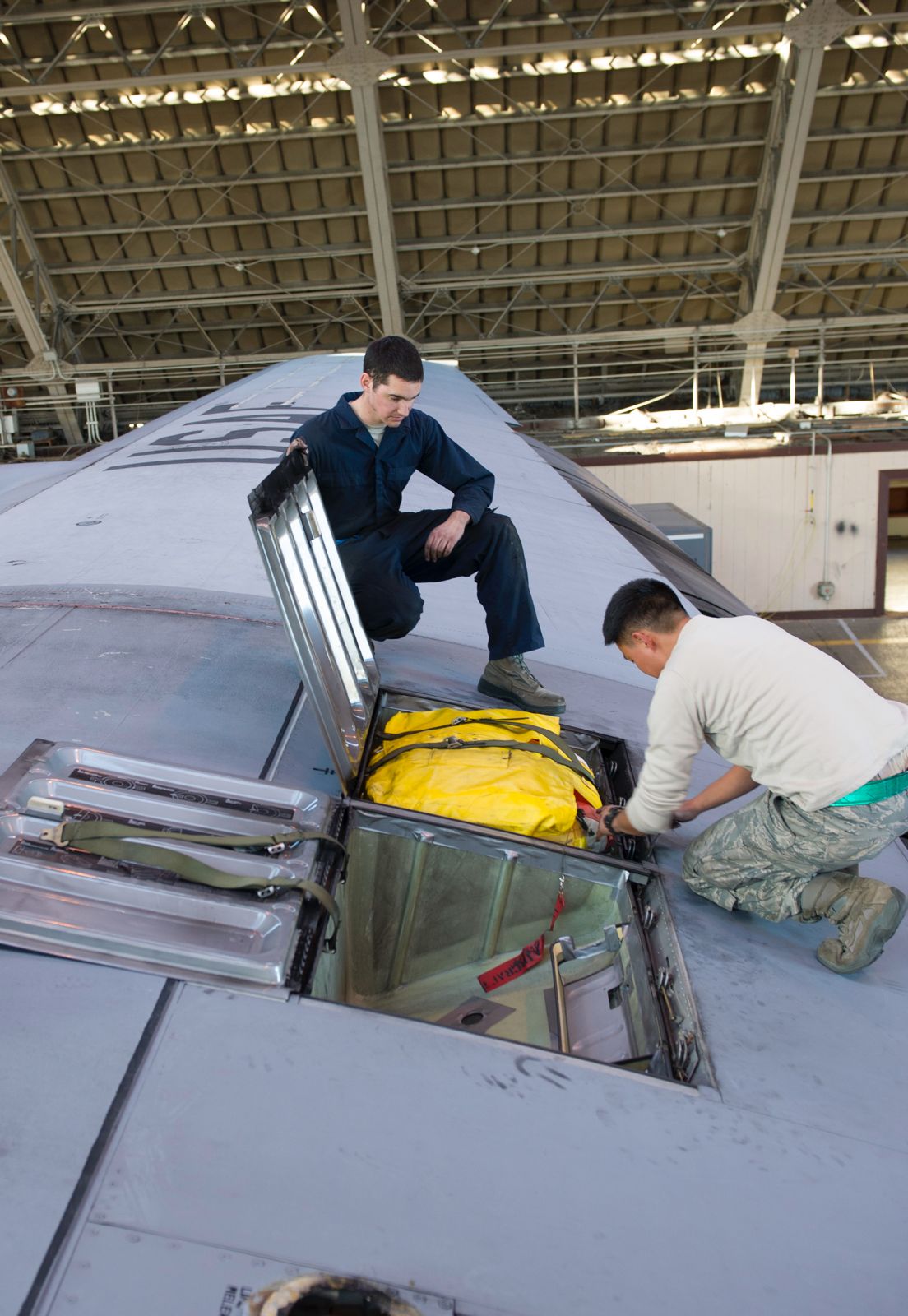
Certification is on top of STM’s areas of core expertise. STM is the only corporation that was authorized by the General Directorate of Civil Aviation (SHGM) for inspecting the design and production institutions. In light of this authority, through our expert team we offer services in a wide variety of fields from infrastructure installation to training, independent audits to consultancy, to the agencies that have related requirements in Aviation Certification. Within this framework, STM has put its signature in the Certification phases of the “C-130, CN-235, F16 (Özgür)” modernization projects, new design projects such as “Hürkuş”, “Anka UAV”, “Karayel UAV”, “ Indigenous Helicopter”, international joint design projects. Our know-how in this area is improving and increasing.
Defence Turkey: Could you please enlighten us on other activities and programmes you conduct in our country and abroad as STM?
In line with our recent restructuring, we grouped STM’s activities in three main business areas namely engineering, technology and consultancy and focused our strategies on these areas. Within this scope, we are reshaping our services in the aforementioned areas and offering them to our new customers. For example, as a company that receives the greatest consultant company award for the last ten years, we started to offer our consultancy services to the public sector in addition to the defence industry. As part of this service, we started rendering services in nuclear energy sector that we consider as a highly critical area for our country. Again in consultancy area, our studies on the “technical think tank” service that does not currently exist in our country are being carried out in full throttle.
On the other hand, in order to transfer STM’s extensive expertise to the sector, we are launching a new training programme under the title of STM Academy. In this respect, in certain areas where STM has no rivals in Turkey, forexample in aviation certification and cyber security areas we will be offering trainings to the sector. In order to accelerate the transformation from project based structuring to product based structures, we will be accomplishing inorganic growth in addition to the organic growth in areas we consider critical. In line with these developments, our efforts to include certain products or start-ups to our Corporation continue.
Defence Turkey: How does STM position itself in the next era in Turkey and in the world?
In summary, we aim to become an ‘Apple’ in informatics or a ‘Tesla’ in the automotive sector of the defence industry. I mean, we aim to become a centre of attraction in many respects, a company that leads the sector and to be the one that does not imitate but is imitated with innovative approaches. The triangle existing in STM’s logo will become a powerful symbol in time, just like Apple’s bitten apple. I am aware that this is an ostentatious target, yet it is not impossible. For reaching this goal, we need to protect the balance between change and sustainability and continue our innovations. This may take time, but I believe we can manage to achieve it.
Defence Turkey: Mr. Yılmaz, thank you for your time.
I thank you as well as your readers.