AEGIS, The only Maritime System in the World Proven to have Ballistic Missile Defence Capability
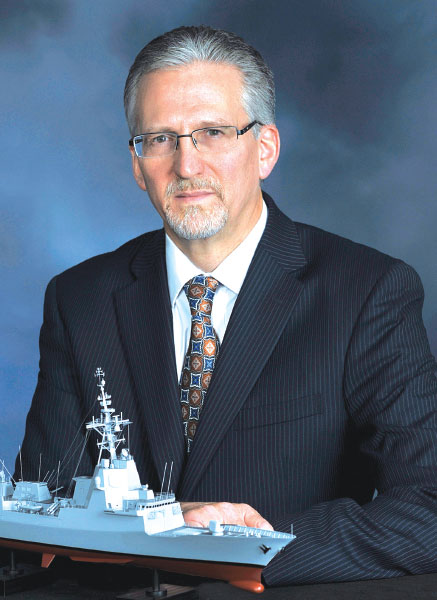
Defence Turkey: Good Morning, Mr. Wilhelm. Could you tell us about your role at Lockheed Martin?
It’s a pleasure to be here. I represent our Integrated Warfare Systems and Sensors business in Moorestown, New Jersey, near Philadelphia. My business specializes in naval combat systems, radar systems, and sea-based missile defence. Most notably, we have had the responsibility for decades to design, deliver and update the AEGIS Weapon System. We produce what we believe are the world’s best naval air defence radars, including the SPY-1 radar for AEGIS. In my role, I am responsible for all of our naval programs outside of the United States. This includes overseeing active AEGIS programs in Japan, South Korea, Norway, Australia and Spain. We take great pride in the success of our international partners and are particularly pleased that some of those same customers are actively considering expanding their AEGIS fleets and capabilities.

Defence Turkey: What experiences prepared you for your international responsibilities?
My work experience with Lockheed Martin has stretched over thirty-one years and has been very focused on AEGIS international programs. Early in my career, I lived in Japan as the electrical design and installation engineer for the fourth Japanese AEGIS destroyer. This experience was foundational for me because it gave me an appreciation for developing international partnerships as I worked together with the Japanese shipyard to make the program a success. It also fostered my love of learning and understanding new cultures.
Later, back in the Unites States, I served in increasing roles of responsibility for the Spanish F-100 AEGIS Frigate program, finally as our Program Manager. I oversaw first-of-class shipboard testing for the AEGIS Combat System, participated in commissioning and delivery of the ship, and finally was part of a very exciting and rewarding first AEGIS missile firing event for the Spanish Navy. The Spanish AEGIS program is our model of the most extensive industrial cooperation within our AEGIS program, including cooperating to deliver the Combat Management System, producing many AEGIS components in Spain, and cooperating to develop a new sonar system. We continue to work with our Spanish partners such as Indra and Navantia today, and those friends export their AEGIS products worldwide, including to the United States.
I have also worked in Canada as Program Director for the successful capture of Canada’s Halifax Class Modernization Program. That program has been a huge success as we have worked to upgrade Canada’s twelve frigates with modern combat systems. Since 2009 I have served as our Director of International Programs. I believe that working with the AEGIS system’s many aspects, from design, to installation, to test and successful delivery in multiple international navies, has given me the experience which I rely upon every day to deliver the best AEGIS system we can to our international partners.
Defence Turkey: Would you tell us about your philosophy for industrial cooperation within the AEGIS program?
We attribute the success of the international AEGIS program to the ability to work closely with our in-country partners on a daily basis. We work hand-in-hand with partner companies to ensure transparency and hands-on technology transfer. Part of making the programs successful is finding the right partners in each country and together delivering systems for the warfighter. What we think is special about the AEGIS program is that those partnerships stay together beyond the initial contract, and our AEGIS partnerships extend past that original country. We grow together and we have seen that partner companies which once might have been smaller are now major players in the international defence market.
Our experience with AEGIS programs has led us to a point today where we know how to take the unique components of AEGIS – those components of the AEGIS fire control loop which provide AEGIS the advantage when compared to any other system – and add those to national combat management systems. We have specifically engineered new system components to allow for cooperation and to enable the national system to direct the engagement. We did this in Spain for the F-100 program and worked with Turkish company Havelsan since 2011 to prove the feasibility of integrating AEGIS with Turkey’s naval combat management system or its successors. Havelsan and Lockheed Martin demonstrated its feasibility during IDEF Istanbul 2013.

Our cooperation model is one of worldwide partnership. Our partners can be qualified to U.S. Navy AEGIS standards which provide the opportunity to support AEGIS programs all over the world, not just in the home country. Partner companies in Spain have supplied components to AEGIS programs in Norway, Australia, and the United States. A Norwegian partner has exported its combat management system to support the South Korean AEGIS program. Spanish shipbuilder Navantia designed and built a new AEGIS frigate and then exported its AEGIS ship designs to Norway and Australia. On the industrial side, there are design and production opportunities in every country and we focus very much on partnering to facilitate the full-life support of the system.
These are just some examples of our experience in using the worldwide reach and international demand for AEGIS to make great business value for our industrial partners. Because the demand for AEGIS is so strong, the opportunities are enormous. The U.S. Navy continues to specify AEGIS on its newest platforms, with plans to procure more than seventy additional AEGIS systems, making the export opportunity huge for AEGIS partners.
Defence Turkey: You mentioned Havelsan. Tell us about your experiences with Turkish industry so far?
We feel we have found a great partner in Havelsan, who has made impressive achievements in the Turkish Navy’s combat management system. We have been working closely with the engineering team at Havelsan for a few years, and we are extremely impressed with their capabilities and professionalism. We are together marketing our solutions regionally and expect that we will find many opportunities to work together.
Because of Lockheed Martin’s long history of partnership in Turkey, we cooperate with many other companies in Turkey. We are confident that we can extend partnerships that began on the F-16 or F-35 aircraft to transition to AEGIS. Some of the Turkish companies working on aircraft programs continue to be star suppliers for Lockheed Martin. We are very excited that we have taken the first step along this path with our long-time corporate partner Kale Aero.
We recently awarded a contract to Kale Aero to provide mechanical systems to support the U.S. AEGIS program. The contract makes Kale the first Turkish company to become an AEGIS supplier. The parts that Kale supplies will be installed on U.S. Navy AEGIS ships and the land-based AEGIS Ashore installation. Now Kale will have additional opportunities within the entire AEGIS program.
Of course, the largest Turkish defence firm is Aselsan we recognize they have capabilities in all aspects of defence. We are in discussions with Aselsan now, and we see lots of opportunity to work together both at home and in the larger international market.
We have also opened partnerships in Turkey in research and development of advanced concepts. Lockheed Martin has funded radar research agreements with three Turkish universities: METU, Sabancı University & Koç University. We selected these universities among facilities all over the world because of their cutting-edge research capabilities. They are helping us now develop concepts for next generation radar systems. These projects have the potential to make near term impacts in the defence market and to be commercialized by Turkish industry.
Defence Turkey: What is your view of Turkey’s Defence Industry maritime capability?
I am very impressed by the capabilities being developed in Turkey. I was aware of the recent progress and have been studying the Turkish market for some time, but my visit here in May to the MAST 2014 Conference in Istanbul really gave me a chance to see the capability in person. Besides hearing the MAST briefings, I was able to tour Turkish Navy and Coast Guard vessels. I got to see a demonstration of MilSOFT’s systems on board. And I was truly impressed by just how many varied naval systems are provided by Aselsan – it seems like almost everything on the ships! This helped me understand the breadth of their capability and helped us think about ways we can partner to support navies worldwide. In addition, accomplishments by the “MILGEM” corvette program, both on the shipbuilding side and the suite of components for its combat system have all been developed and delivered by Turkish companies, and are very impressive.
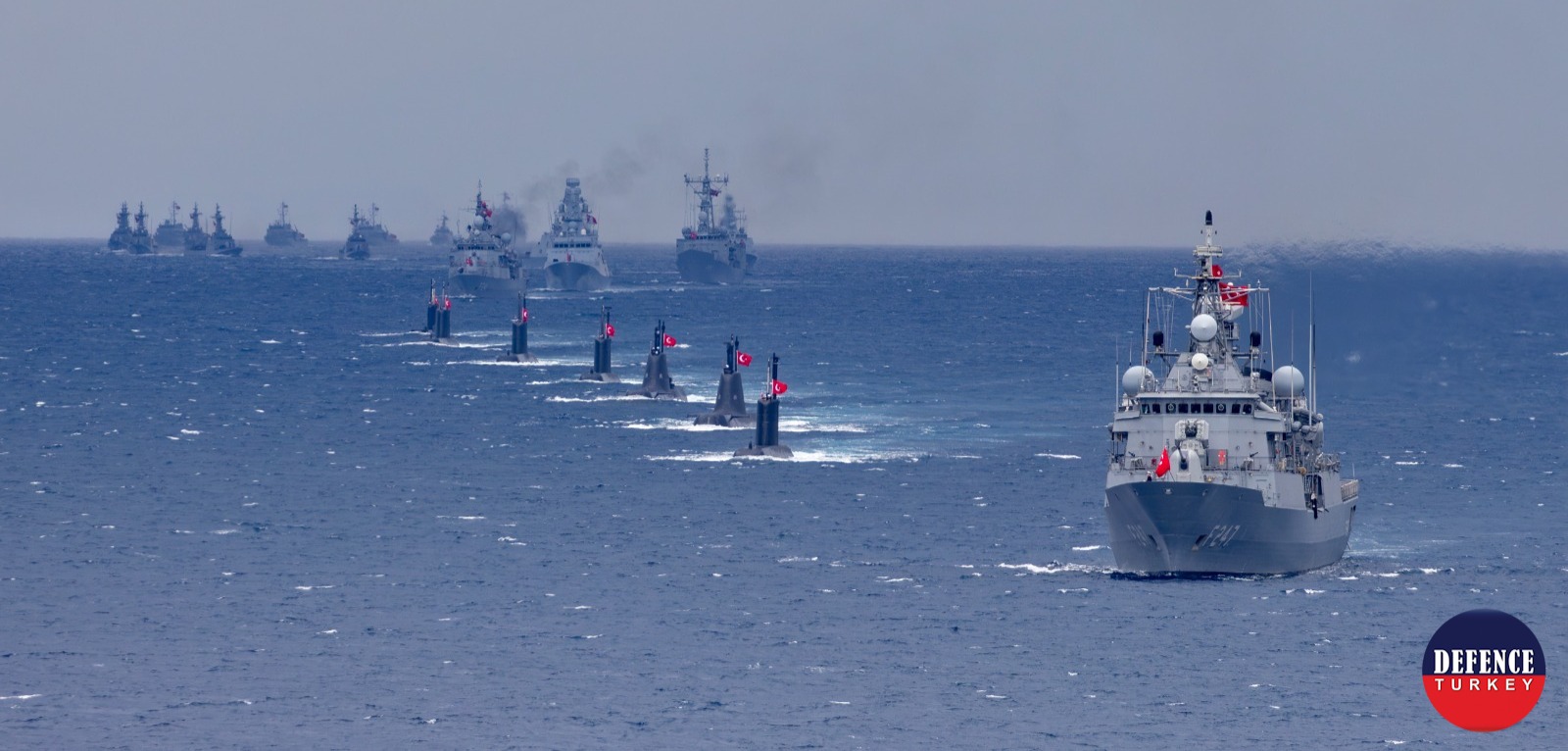
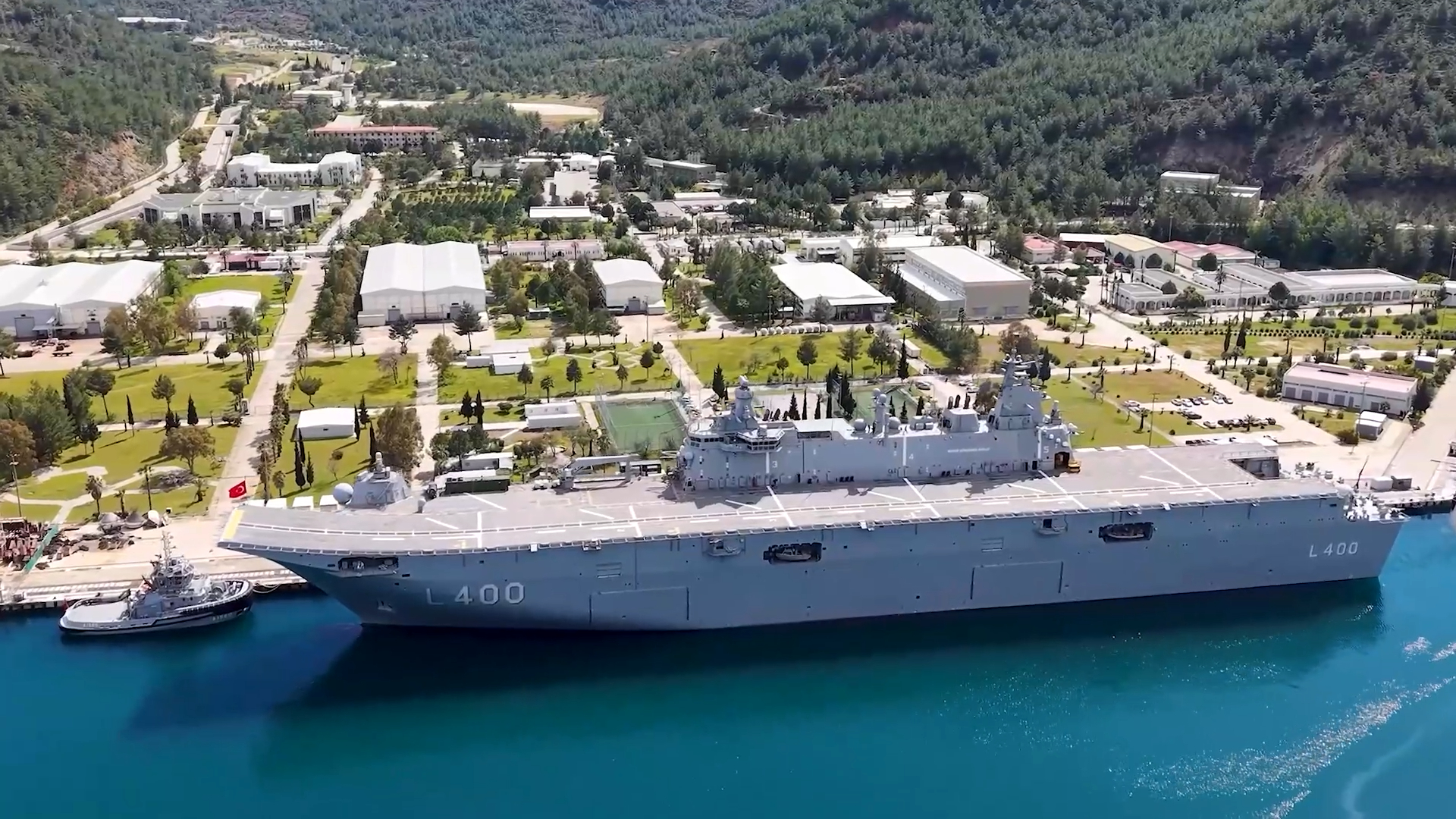
We recently attended a reception aboard the Turkish ship “TCG Kemalreis” in Baltimore, Maryland as a part of the Standing NATO Maritime Group-2 port visit to the United States, along with U.S. and German warships. It was the first visit to the United States by a Turkish warship in fifteen years. Of course, the whole world followed the Turkish Navy’s trip around the coast of Africa this year. With Turkey’s upcoming Centennial, we are observing the expansion of Turkey’s naval capability, including its new build submarines, LPD and the TF2000 Frigate.
Defence Turkey: You mentioned the MAST conference. You gave a briefing at MAST this year.
I did. It was called “Not Your Father’s AEGIS”, and it was about all the new innovations – both technically and in terms of the business model – built into our latest AEGIS system. Technically, as we always do, we have added new capabilities to AEGIS in our latest system, Baseline 9. Our new radar signal processor enhances the radar capability in the littoral environment and also provides the ability for AEGIS to perform simultaneous Integrated Air and Missile Defence.
I also talked about how new architectural investments in AEGIS help to make it easier to interface with national systems. Our strategy of interfacing the AEGIS Fire Control Loop with national C2 systems allows a partner nation to leverage the advantages of AEGIS combined with the best of its own naval capabilities.
Defence Turkey: What distinguishes the AEGIS System for navies considering a naval area air defence capability?
Now more than ever, our international naval partners live in a dangerous world. For most of them, the first thing they look at is system performance. AEGIS is unmatched in performance and reliability and combines the world’s most powerful naval radar available with an integrated weapon control system that flies every Standard Missile variant. AEGIS has launched over 3,800 missiles under stressing real-world tests. Because of the power of the AEGIS radar, AEGIS is the only maritime system in the world proven to have a ballistic missile defence capability. BMD can be a very important worldwide concern, and only AEGIS provides the capability, either initially or as an upgrade. And because the U.S. Navy continues to put our AEGIS system on its newest surface combatants, this makes it affordable and ensures service and support is readily available for all AEGIS ships.
Defence Turkey: Thank you very much for your time, Doug.
Thank you, it has been a pleasure speaking with you.