BAE Offers to Establish a Partnership with Turkey to Jointly Develop Naval Capability
Defence Turkey: In terms of production, investment, export and international projects, how could you evaluate the improvements in figures in 2010? How do you assess BAE’s position in 2011? What are 2011 targets?
BAE Systems is a global defence and security company with approximately 100,000 employees worldwide.
The company delivers a full range of products and services for air, land and naval forces, as well as advanced electronics, security, information technology solutions and support services. In 2010 BAE Systems reported sales of £22.4 billion (US$ 34.6 billion).
The company is performing to plan in 2011 and one of the areas we are focusing on is how the business can enhance its international operations.
Defence Turkey: BAE took sound achievements in Turkey. Within this context how do you assess the activities, performed over the years?
BAE Systems has had a presence in Turkey for approaching 20 years and we have a Corporate office in Ankara. The company has a significant installed base in Turkey including: Naval Radars, Naval Gun Systems, Torpedoes and Mission Systems. In partnership through joint venture companies we also have Rapier Vehicles and the Rapier GBAD system.
We are keen to extend this by establishing partnerships and assisting in Turkey’s goal of becoming the world's 10th largest economy by 2023 and a net exporter of state-of-the-art defence equipment.
Defence Turkey: Recently, it is well known that the TYPE 26 programme referred to as Global Combat System (Ship) can be new opportunity between UK and Turkey. Could you please inform us about this programme and BAE’s contribution? Within this programme, what kind of collaboration is offered to Turkey? Could you enlighten us about the opportunities?
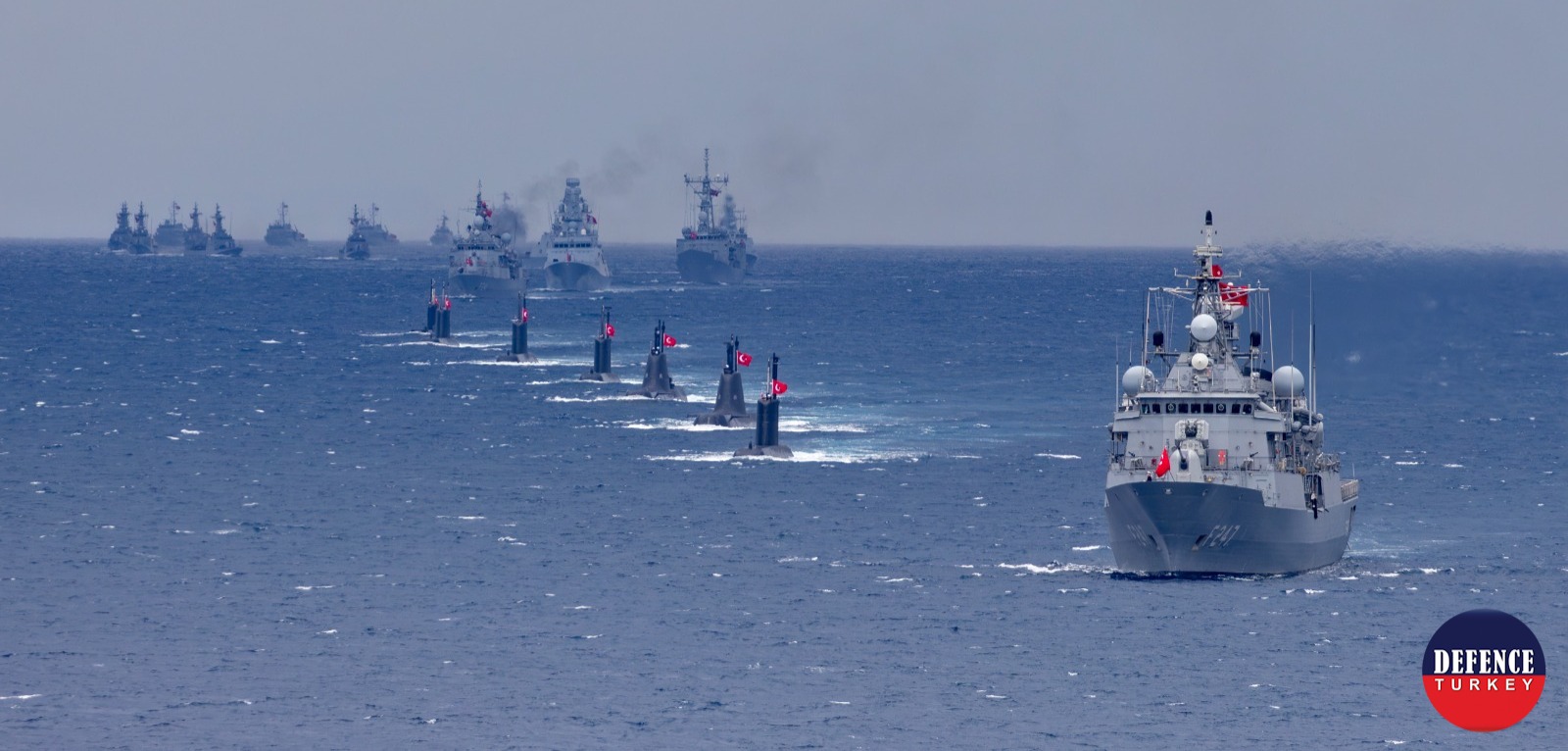
The UK is very keen to establish a partnership with Turkey to jointly develop
Naval capability. There are ongoing discussions at government, naval and
industry levels to explore such possibilities.
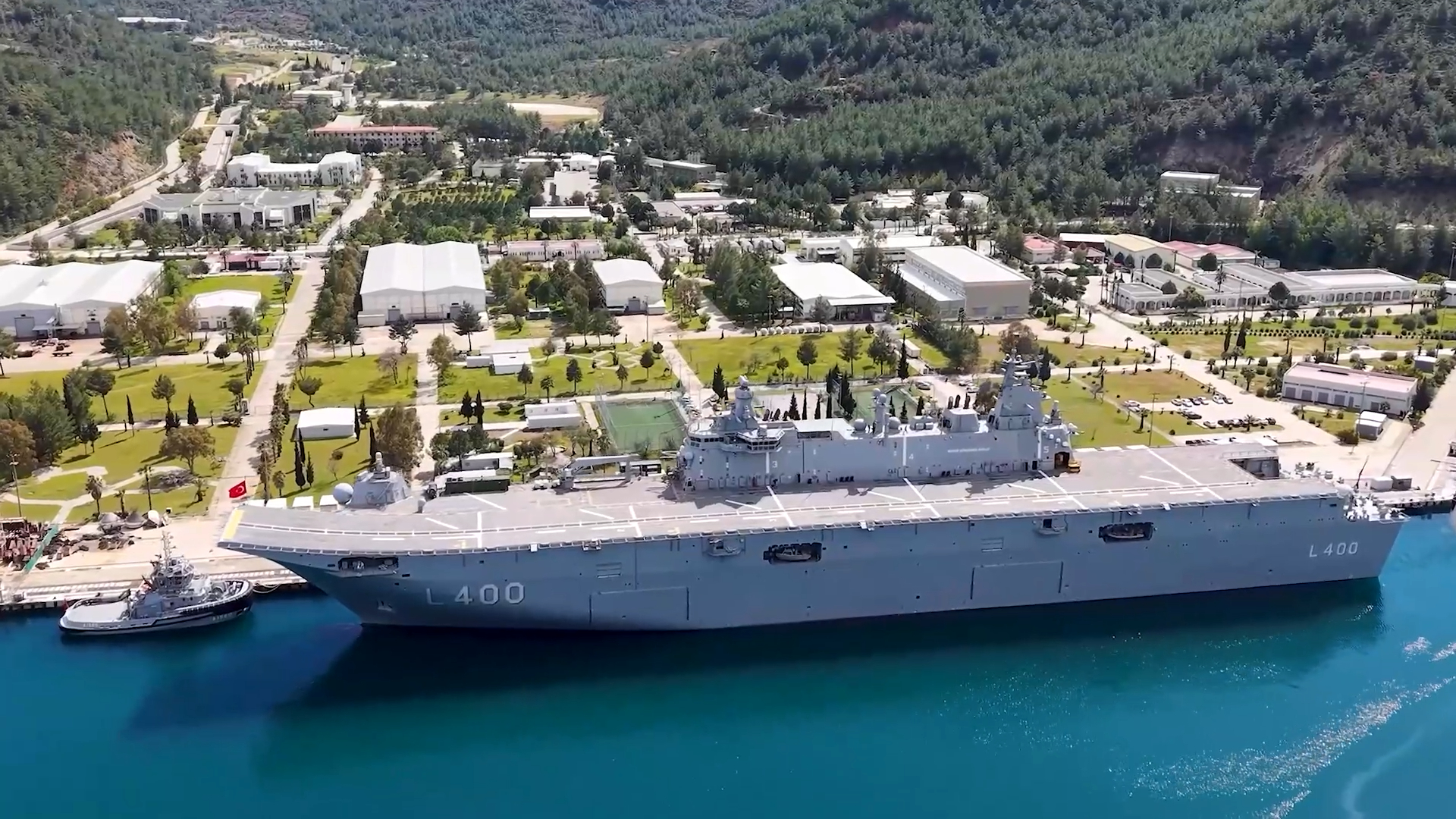
One area we hope could provide an opportunity to work together is the Global Combat Ship (GCS) programme. Within this framework the aim would be to deliver warships designed to meet the demands of the maritime environment into the middle of the 21st century and beyond.
Such warships would be based on a core platform, developed by the partners, which can be tailored for specific equipment and systems integration to meet future customer requirements.
Such a venture would involve ships built in Turkey, with economies of scale created from a shared design and procurement process to reduce costs and deliver substantial through-life savings in training, maintenance and support programmes.
So, in summary, it is a highly collaborative programme with significant mutual benefits. The programme is in its initial stages and we very much hope that the UK and Turkey will choose to become international partners in the naval sector.
Defence Turkey: FNSS has strengthened its position in global markets. How do you assess its activities?
I have been fortunate to visit FNSS’s Ankara operations on several occasions. Anybody visiting Gölbaşı cannot help but be impressed with the capability and drive of the management team there.
We and the Turkish defence industry are truly proud of what FNSS has achieved. The agreement with the Malaysian government for the new 8x8 PARS armoured vehicle is a landmark for Turkish defence exports.
When I was last at FNSS the team demonstrated the Mobile Amphibious Assault Bridge, which I have to say is a very impressive example of skilled engineering technology.
Defence Turkey: BAE already has a strong track record of collaboration with Turkey through FNSS. Will it be considered a new joint venture with a Turkish Company in maritime and naval business as a same model of FNSS?
FNSS is a highly successful company and BAE Systems is proud to be the minority partner in that venture. It is a business model that has benefitted the Turkish defence industry.
It may be that such a model is equally applicable to other sectors of defence, for example, naval and air. However, at the moment we are keeping an open mind and really focusing on what Turkey’s needs are and how we can best support these.
Defence Turkey: As it is known that BAE has cooperated with Turkish companies in the past and is presently doing so. Could you please give more information about your partnerships with Turkish Defence Industry?
As you say, through FNSS, we have a successful track record of partnering with the Turkish defence industry. At IDEF we announced an intention to hopefully partner with other Turkish defence companies.
It is too early to detail specifics. What I can say is that we are having positive discussions with interested parties. What I have learnt, from over 20 years’ working in the global defence industry, is that these things do not happen overnight.
Defence Turkey: Could Turkey and Turkish Defence Industry be considered a strategic partner for 3rd markets export?
Definitely, yes. Turkey is a key player in the global defence industry.
A cornerstone of any partnership we would aim to establish in Turkey is to address not only domestic needs but also how, through cooperation, we can jointly address third party markets. The success of FNSS in securing international business is an excellent example of this.
Defence Turkey: Finally would you like to add some information for our readers?
Well, only really to say that I am spending an ever increasing amount of time here in Turkey, discovering new things each time about Ankara and Istanbul. I look forward to my trips here, via Turkish Airlines, of course.