Bilateral Relations Between the Republic of Türkiye and the Kingdom of Spain Kingdom of Spain; A Partner, Friend and Ally
The bilateral relations between the Republic of Türkiye and the Kingdom of Spain date back to the signing of the ‘Treaty of Peace, Friendship and Commerce’ in 1782, which laid the foundational framework for diplomatic engagement. Over the centuries, this relationship has evolved into a multifaceted partnership characterized by mutual respect, shared strategic interests, and expanding areas of cooperation including the defense industry.
A transformative phase in Türkiye–Spain relations commenced in the mid-1980s, coinciding with Spain’s accession to both the North Atlantic Treaty Organization (NATO) and the European Union (EU). During this period, both countries adopted comparable economic policies centered on liberalization, structural reform, and integration into global markets. These developments catalyzed an increase in political dialogue and economic exchange, reinforced by a series of reciprocal high-level visits.
A landmark initiative within this bilateral framework was the launch of the Alliance of Civilizations in 2005. Jointly proposed by then Prime Minister of Türkiye, Recep Tayyip ERDOĞAN, and the former Prime Minister of Spain, H.E. José Luis Rodríguez ZAPATERO, the initiative represents a paradigm of intercultural dialogue. It underscores a shared conviction that the global challenges of polarization and cultural alienation can only be effectively addressed through broad, inclusive coalitions rooted in mutual understanding and respect among civilizations.
Further institutionalizing bilateral engagement, the Türkiye–Spain Intergovernmental Summits were inaugurated in 2009 in Istanbul. To date, 8 such summits have been convened, serving as a high-level mechanism for strategic dialogue and cooperation across a range of sectors, including defense industry, trade, culture, and education. The most recent summit was held in Madrid on June 13, 2024, marking a renewed commitment to deepening ties at the governmental level.
As one of Türkiye’s best partners in Europe, Kingdom of Spain is at the same time one of the strongest supporters of Türkiye’s EU membership. Spain’s steadfast support for Türkiye’s EU accession process has been a consistent and valuable component of bilateral relations. This position reflects Spain’s recognition of Türkiye’s strategic significance to Europe and its role as a bridge between continents, cultures, and markets.
Türkiye and Spain have excellent relations, described during the 2021 Intergovernmental Summit in Ankara as “comprehensive partnership”, which are well-developed in multiple sectors including the defense and aerospace sector. The two governments continue to foster friendship between their countries and to strengthen these amicable, comprehensive and cross-cutting bilateral relations. Stand as a robust and dynamic partnership, underpinned by historical depth, shared values, and a joint vision for regional and global stability, Türkiye–Spain relations are not only growing but also strengthening. Bilateral trade is increasing, investment is expanding and the cooperation between Türkiye and Spain in the field of defense is developing day by day.
The Current State of Spanish-Turkish Economic Relations
Spain is classified as a high-income and developed country. Within the eurozone, it is the fourth largest economy after Germany, France, and Italy. According to IMF data, as of 2024, Spain is the world’s 15th largest economy among 196 countries, with an estimated GDP of 1.73 Trillion USD and a population of 48.4 Million. In 2024, with a per capita income of 35,789 USD at current prices, Spain ranks 34th globally.
Türkiye-Spain foreign trade has recorded growth every year since 2006. When it comes to exports, Spain is Türkiye’s 7th biggest export recipient according to the data provided by the Turkish Exporters Assembly (TIM). Turkish exports to Spain have been on a rising trend in the past 10 years. The bilateral trade volume between Türkiye and Spain, which stood at around 2 Billion USD prior to 2002, increased nearly tenfold to reach approximately 19.290 Billion USD in 2023 and 19.146 Billion in 2024. According to data from the Turkish Exporters Assembly (TIM), bilateral trade between the two countries amounted to 19.290 Billion USD in 2023, marking a 15.31% increase compared to the previous year (Exports: 9.783.398 Billion USD; Imports: 9.507.243 Billion USD). In 2024, the trade volume remained strong, reaching 19.146 Billion USD, with exports totaling 9.783.365 Billion USD and imports amounting to 9.362.742 Billion USD. The bilateral trade volume between Türkiye and Spain is targeted to reach 25 Billion Euros (EUR) within the next five years.
Main Turkish exports to Spain are; automotive industry, apparel and ready-to-wear garments, chemicals and chemical products, electrical and electronics, steel, textiles and raw materials, and ferrous and non-ferrous metals. Main imports from Spain are; automotive industry, chemicals and chemical products, ferrous and non-ferrous metals, steel, machinery and components, electrical and electronics, HVAC industry and furniture, paper and forest products.
The bilateral trade volume between Türkiye and Spain is expected to surpass the 2024 figures in 2025. Indeed, export figures from the first three months of 2025 support this expectation. According to the export data provided by the Turkish Exporters Assembly (TIM), Spain maintained its position as Türkiye’s 7th largest export destination during the first quarter of 2025. While Türkiye’s exports to Spain stood at 774.148 Million USD in January, they amounted to 769.370 Million USD in February and reached 856.363 Million USD in March. As a result, total exports to Spain in the first quarter of 2025 reached 2.399.881 Million USD, marking an 8.93% increase compared to 2.203.186 Million USD in the same period of 2024.
Therefore, it can be said that the positive momentum in bilateral relations between Türkiye and Spain is also being reflected in trade. Spanish Prime Minister Pedro SÁNCHEZ, during the 9th Spanish Ambassadors Conference held in Madrid in January 2025, emphasized the need to further strengthen relations with Türkiye.
On the other hand, Spain ranks as Türkiye’s 11th largest export market. Spanish imports to Turkey have shown greater fluctuation compared to Turkish exports to Spain, with a 1.5% decrease recorded in 2024 compared to the previous year. According to the Spain Country Information Note published by TIM in March 2025, Spain imported goods worth 5.706 Billion USD from Türkiye in 2015. This figure dropped to 4.446 Billion USD in 2019, rose to 5.039 Billion USD in 2020, and reached 7.004 Billion USD in 2022. In 2023, Spanish imports from Türkiye amounted to 9.507 Billion USD, before declining by 1.5% to 9.363 Billion USD in 2024. As a result, in 2024, Türkiye ranked 11th among Spain’s export destinations and 12th among its import sources.
Over the past two decades, Spain has been a major investor in Türkiye. According to data from the Turkish Ministry of Industry and Technology, between 2002 and February 2024, the total investment from Spain to Türkiye reached 11.357 Billion USD, accounting for 6.1% of all foreign direct investments (FDI) received by Türkiye during this period. Thus, Spain has become the 6th largest investor in Türkiye.
Meanwhile, FDI outflows from Türkiye to Spain reached 462 Million USD during the same period. These significant figures reflect the strong mutual confidence and robust ties between the two countries. BBVA is the most well-known Spanish direct investment in Türkiye. As of the end of December 2023, 739 Spanish-origin companies were operating in Türkiye. According to Turkish Ministry of Foreign Affairs’ data in 2022, approximately 125 Turkish businesses were operating in Spain.
In terms of tourism, 257,000 Spanish tourists visited Türkiye in 2019 and this number jumped to 325,000 in 2023. On the other hand, it was announced that the number of Turkish tourists visiting Spain in 2024 exceeded 600,000, compared to 340,000 in 2023.
Defense & Aerospace Industry in Spain
Spain is among the European countries where the Defense & Aerospace Industry constitutes a fundamental pillar of the industrial base. The Spanish Government considers the sector a strategic asset—one that reinforces national sovereignty and strengthens Spain’s role both within Europe and on the global stage. In addition to its strategic value, the industry is a major contributor to the national economy, which—despite existing challenges—remains the fourth-largest in the European Union, following Germany, France, and Italy.
Spain's Defense & Aerospace Industry is highly developed, with capabilities spanning the design, development, and integration of large systems across the naval, land, and aerospace domains. As a member of the European Space Agency (ESA), Spain plays a key role in major EU space programmes, including COPERNICUS (Earth Observation) and GALILEO (Global Navigation Satellite System). Spanish industry has contributed to the development of SENTINEL-1 and SENTINEL-2 satellites for COPERNICUS and has hosted ground infrastructure for GALILEO. Furthermore, Spanish companies are actively involved in the EU’s HORIZON EUROPE programme for research and innovation.
Official figures indicate that in 2022 (the most recent year with complete statistics), the Spanish Defense & Aerospace Sector generated a turnover of 12.3 Billion euros (EUR) and provided direct employment to over 51,000 people—a number estimated to have risen to 57,000 in 2023 due to increased spending. The Spanish Defense & Aerospace Industry has grown by 24% since 2012, driven by consistent investments in research and development, which represent 10% of total sales—a notably high figure within industrial sectors.
The sector’s strategic significance is underlined by its capacity to generate high-skilled employment, its contribution of 1.3% to national GDP, and 9.3% to industrial output. In 2022, 49% of aerospace sales and 75% of space-related sales were export-driven, highlighting its global competitiveness. Small and medium-sized enterprises (SMEs) play a critical role, with 76.3% of companies in the sector falling under this classification. According to the Spanish Ministry of Defense, 509 companies were registered in the Directorate General for Armament and Material (DGAM)’s Register of Companies as of 2022. In 2020, there were 543 registered firms, 380 of which reported defense sector sales.
Due to relatively modest domestic demand—Spain allocates only 1.4% of its GDP to defense—the industry depends significantly on foreign markets. In 2020, 84% of total sales were international, amounting to 5.29 Billion EUR, although this represented a 5.1% decline from 2019. Of the 380 registered companies, 126 reported international defense sales—five more than the previous year—meaning 33.2% of Spanish defense firms had successfully entered foreign markets.
According to 2022 (the most recent year with complete statistics) figures the aerospace sub-sector stands out as the most critical component of the Spanish Defense & Aerospace Industry. Accounting for 64% of all defense exports in 2022, it leads ahead of the naval (13.5%), land (8.1%), and other sub-sectors. Notably, 73.1% of aerospace production is oriented toward military applications, and 43.8% of all defense industry employees work in this segment. A remarkable 92% of aerospace production is destined for export, largely due to the dominant presence of Airbus Defense & Space (AD&S) and Airbus Military, which account for 55.3% and 35.7% respectively of international defense sales in the aerospace sub-sector.
In March 2025, U.S. President Donald TRUMP criticized NATO member states—particularly those in Europe—for failing to meet the Alliance’s defense spending benchmark of 2% of GDP, a target established in 2014. He further suggested that the United States might reconsider its commitments to NATO should member countries continue to fall short of this obligation. In response to these criticisms, on April 22, 2025, the Spanish Government announced a comprehensive defense investment plan totaling 12 Billion USD (10.5 Billion EUR). Unveiled by Prime Minister Pedro SÁNCHEZ following a Council of Ministers meeting, the initiative—titled the "Industrial and Technological Plan for Security and Defense"—aims to elevate Spain’s annual defense expenditure to 33 Billion EUR in 2025, aligning with NATO’s 2% GDP target. As of 2024, Spain allocated only 1.4% of its GDP to defense, placing it among the lowest defense spenders within the Alliance.
Turkish market is considered one of the most attractive for the Spanish Defense & Aerospace Industry. According to the Spanish State Secretariat for Trade, Spain exported defense materials valued at 131.8 Million EUR to Türkiye in 2022—the most recent year for which comprehensive statistics are available. These exports included A400M military transport aircraft, engine components and spare parts, as well as parts and engineering services for Türkiye’s domestically-produced military training aircraft (HÜRJET). Additional items exported to Türkiye comprised helicopter components, ship systems, engines, guided munition systems, gunpowder, satellite communication systems, and spare parts for armored vehicles. Furthermore, according to the Spain Country Information Note published by the Turkish Exporters Assembly (TİM) in March 2025, Türkiye’s exports to Spain in the Defense and Aerospace Industry reached 15.919 Million USD in 2023. This figure rose by 46.3% to $23.287 Million USD in 2024. Conversely, imports from Spain in the same sector totaled 76.191 Million USD in 2023 and increased by 9.3% to 83.256 Million USD in 2024.
Cooperation Between Türkiye and Spain in the Field of Defense
Spain maintains a cordial and cooperative relationship with Türkiye in the field of defense. This relationship encompasses institutional engagements at both bilateral and multilateral levels, operational coordination, and collaboration within the defense industry. Within this framework, traditional mechanisms of defense diplomacy—such as high-level visits, staff talks, and meetings between senior military officials—are periodically conducted between the armed forces of both nations.
For instance, in February 2024, upon the official invitation of General Javier Salto Martinez AVIVAL, the then Chief of Staff of the Spanish Air and Space Force (SASF), General Ziya Cemal KADIOĞLU, Commander of the Turkish Air Force (TurAF), paid an official visit to Spain accompanied by a delegation. During the visit, the Turkish delegation held meetings at the Embassy of the Republic of Türkiye in Madrid and visited the Spanish Air and Space Force Headquarters, Indra Company, the Central Command and Control Group Command, the Joint Force Air Component Command (JFAC), and the 12th Wing.
In January 2025 (between January 12 and 17), the Chief of Staff of the Spanish Army (Jefe de Estado Mayor del Ejército – JEME), Army General Amador Enseñat y BEREA, conducted a weeklong official visit to Türkiye. During this visit, he followed a broad agenda aimed at consolidating bilateral relations and exploring new areas of cooperation in the military and technological fields. He also met with General Selçuk BAYRAKTAROĞLU, Chief of the Turkish Land Forces (TLF). This dialogue allowed both leaders to address common challenges in defense and security and to identify areas of mutual interest. In this context, JEME visited the facilities of leading Turkish companies in electronics, electro-optics, land vehicles, defense technology, and missile and rocket systems, as well as the UAV (Unmanned Aerial Vehicle) Brigade of the Turkish Army.
On 19 February 19, 2025, Spanish Defense Minister Margarita ROBLES visited the 10th Main Jet Base Command in İncirlik, Adana, to mark the 10th anniversary of her country’s deployment of Patriot Air and Missile Defense Systems at İncirlik Air Base. At the base, Minister Robles highlighted the dedication of the 138 soldiers from the Spanish Army’s Anti-Aircraft Artillery Command participating in NATO’s Operation Support to Türkiye. Spain has deployed a ‘Patriot Air & Missile Defense System Battery there to protect the civilian population of Adana, a city of two million located approximately 120 kilometers from the Syrian border. The Spanish Defense Minister described the mission as fundamental for both NATO and the Turkish Armed Forces, emphasizing that it involves not only air defense but also sharing experiences and conducting joint exercises for continuous learning and training.
The first Spanish contingent was deployed to Türkiye on 29 December 2014, taking over from the Dutch unit at Adana Airport a month later. In January 2016, the Spanish Patriot Battery was transferred from Adana Airport to İncirlik Air Base. On 26 January 2025, the 10th anniversary of Spain’s deployment of Ground-Based Air Defense systems under NATO’s Operation Active Fence in Türkiye was commemorated. Spanish troops have been stationed in Adana with a Patriot Air and Missile Defense System Battery since January 2015 under the operational command of Supreme Allied Commander Europe (SACEUR) and the operational control of Allied Air Command. This milestone signifies Spain’s unwavering commitment over the past decade, completing 21 rotations and deploying nearly 3,000 military personnel. Since 2023, the Spanish Patriot detachment under NATO’s Support to Türkiye mission has been collaborating with the Turkish Air Force at İncirlik Air Base to train operators of the Battery’s Engagement Control Station and to enhance interoperability and proficiency. In this context, drills were conducted in November 2023, January 2024, and March 2025.
Upon the official invitation of General Ziya Cemal KADIOĞLU, Commander of the TurAF, General Francisco Braco CARBO, Chief of Staff of the Spanish Air and Space Force (SASF), visited Türkiye on 26 February 2025. On the same day, he conducted a formation flight with TUSAŞ HÜRJET, a New Generation Advanced Jet Trainer (AJT) and Light Combat Aircraft (LCA), accompanied by Gen. KADIOĞLU. Gen. CARBO flew in the back seat of the red and white HÜRJET first prototype (24-001), while Gen. KADIOĞLU flew in the back seat of the camouflaged second prototype (TUS-A003). The flight demonstrated Spain’s operational interest in the HÜRJET platform and was viewed as progress in Spain’s plan to acquire new advanced trainer aircraft.
In early April 2025, Chief of the Turkish General Staff, General Metin GÜRAK, travelled to Madrid as the official guest of Admiral Teodoro Esteban López CALDERÓN, Chief of the Spanish General Staff. During his official visit, Gen. GÜRAK visited Airbus’ San Pablo plant in Seville and held bilateral and delegation-level meetings with Admiral CALDERÓN.
Operational collaboration in defense between Türkiye and Spain is primarily conducted within the NATO framework. The deployment of a Spanish Army Patriot Air and Missile System Battery to İncirlik Air Base under NATO’s Operation Active Fence is a particularly notable example. Beyond joint operations, the two countries participate regularly in NATO training exercises. Cooperation also extends to other international platforms, including the OSCE and the UN. Since 1995, Türkiye and Spain have served alongside one another in international missions under the UN, NATO, and the EU in Afghanistan, Bosnia and Herzegovina, Lebanon, Iraq, and Kosovo.
The most robust defense cooperation between the two countries has taken place through NATO’s naval groups, conducting surveillance missions in the Mediterranean and Black Seas, and through NATO Air Policing missions in Lithuania, Poland, and Romania. On November 30, 2023, four F-16C/D fighter jets from the Turkish Air Force’s 152nd Squadron, along with 71 personnel, arrived at Romania’s 86th Borcea Air Base to participate in NATO’s enhanced Air Policing mission. The deployment lasted from December 1, 2023 to March 31, 2024. Türkiye had previously deployed aircraft to Malbork, Poland, for Baltic Air Policing in 2021. In July 2024, under NATO’s Enhanced Air Policing mission, four F-16s and a KC-135 Stratotanker from TurAF’s 9th and 10th Main Jet Base Commands conducted joint operations over Romania with RAF Eurofighter Typhoons, SASF F/A-18s, and Finnish Air Force aircraft. In November 2024, Türkiye announced its participation in the NATO Baltic Air Policing Mission for 2026, having previously contributed in 2006 and 2021. From August 2024 to March 2025, Spain deployed eight F/A-18 Hornets (August–November) and six Eurofighter Typhoons (November–March) from Mihail Kogălniceanu Air Base in Romania. In January 2025, a multinational mission over Romania featured Turkish F-16s, Spanish Eurofighters, Romanian F-16s, Greek Rafales, and a French Ground-Based Air Defense system. Completing an eight-month deployment to maintain a Quick Reaction Alert (QRA), safeguarding Romanian airspace against potential incursions in late March 2025, Spain has handover NATO Air Policing mission in Romania to the Italian Air Force.
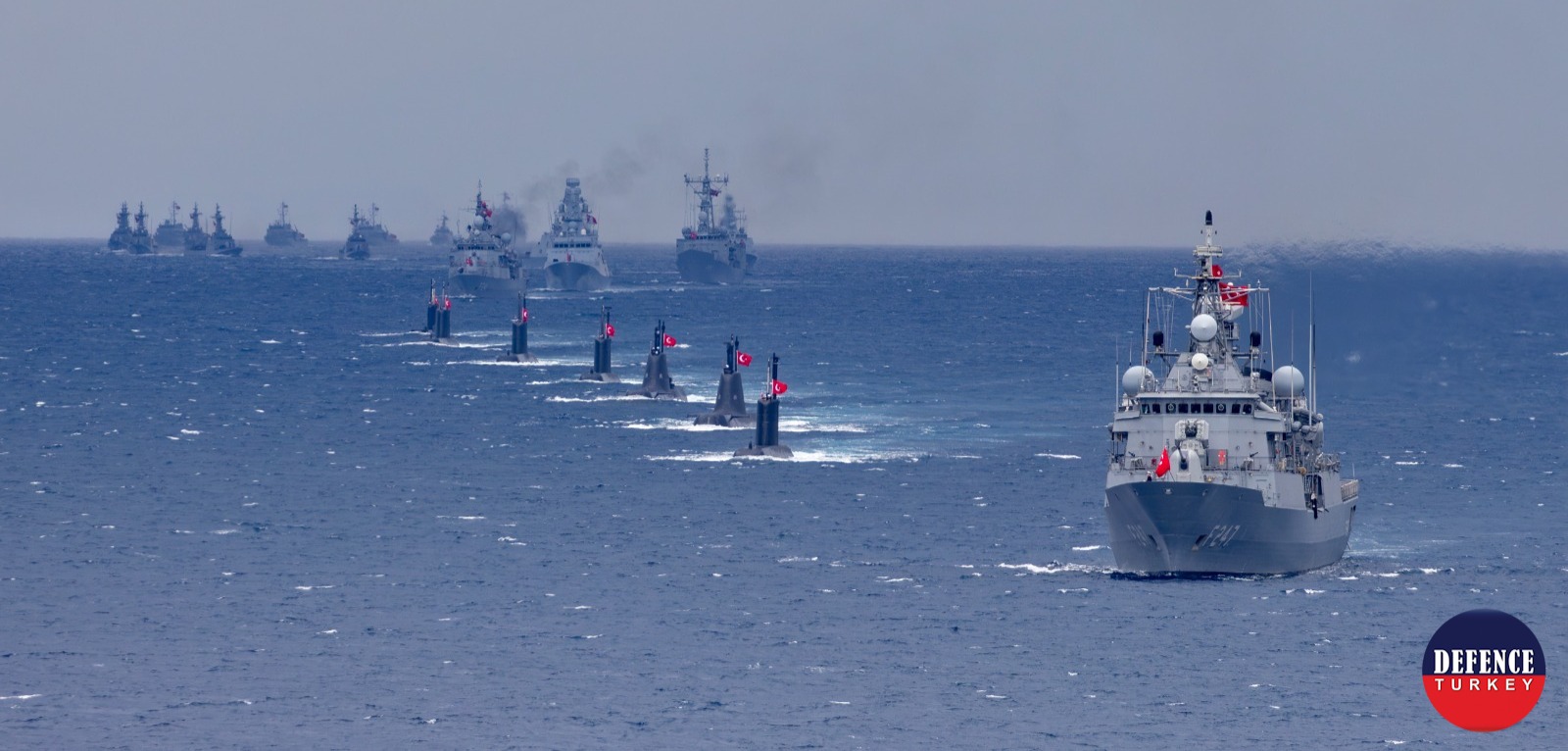
Turkish Navy and Spanish Navy conducted a joint amphibious exercise in Aegean Sea during February 26 - March 1, 2025 with the particapiton of the Spanish CATF Commander Rear Admiral Antonio Gonzalez Tanago de la LASTRA and CLF Commander Rear Admiral Jose Maria Sanz ALISEDO and two of NATO’s naval task groups (SNMG2 and SNMCMG2) took part in NATO’s largest exercise of 2025, Exercise Steadfast Dart, in the Aegean Sea from February 10-17, 2025. Defense cooperation between Türkiye and Spain also extends to NATO’s Standing Naval Forces, such as SNMG2 (Standing NATO Maritime Group 2), SNMCMG2 (Standing NATO Mine Countermeasures Group 2), and the Allied Reaction Force Maritime (ARF/M) element. Both navies participated in Exercise Steadfast Dart, in the Aegean Sea. SNMG2 was commanded by Turkish Navy Rear Admiral H. İlker AVCI, and SNMCMG2 was commanded by Turkish Navy Captain Kürşat KURNAZ. The Turkish frigate TCG Kemalreis served as the exercise flagship. The flagship of SNMCMG2, TCG Yzb. Güngör Durmuş, along with TCG Ayvalık and FS Capricorne, conducted asymmetrical threat training during the exercise. This marked the first large-scale deployment of the NATO Allied Reaction Force, activated in July 2024.
During a weekly press briefing on March 13, 2025, Turkish Ministry of National Defense (MoND) spokesperson Rear Admiral Zeki AKTÜRK announced that Türkiye’s Amphibious Task Group Command had completed the first phase of NATO Combat Readiness Inspection (March 4-7, 2025), in preparation for its future role within NATO’s ARF, Amphibious Task Force (ATF), and Landing Force (LF). Replacing the NATO Response Force, the ARF is a highly deployable and adaptable force addressing a wide range of threats. It includes land, maritime, air, Special Operations Forces, cyber, space, logistics, and strategic communications elements. The Spanish Navy will assume command of the NATO ARF Maritime element from July 1, 2025. Simultaneously, for the first time, the Turkish Amphibious Task Force will assume the role of Commander Amphibious Task Force (CATF) and Commander Landing Force (CLF), serving until June 30, 2026.
From March 24 to April 4, 2025, NATO conducted Exercise Dynamic Mariner/Flotex 25 in the western Mediterranean Sea and Atlantic Ocean, including Spanish territorial waters. Led by the Spanish Navy, the exercise aimed to enhance Allied naval cooperation, improve operational readiness, and demonstrate NATO’s capability to secure vital sea lanes. The exercise featured 30 surface units, 2 submarines, air assets (including Harriers, maritime patrol aircraft, and helicopters), and 1,500 marines and personnel from France, Germany, Italy, Portugal, Spain, and Türkiye.
Cooperation Between Türkiye and Spain on Defense Industry
Defense industry cooperation between Türkiye and Spain is not a recent development. The relationship is rooted in a long-standing history of collaboration that has evolved in response to shifting strategic needs and continues to grow. Both countries recognize the strategic importance of collaboration in the defense sector to share technological advancements and to enhance access to export markets through joint initiatives.
Although some European defense industry firms view Turkish Defense and Aerospace Industry companies as potential competitors in certain markets, others—particularly from Italy, Spain, and the United Kingdom—see significant potential for collaboration. These nations have identified opportunities for joint success in export markets where Türkiye has recently expanded its defense footprint, such as Africa, Central Asia, the Middle East, and Southeast Asia. Among these, Spain stands out as one of the most open and best-positioned European partners in supporting Türkiye’s defense and aerospace modernization goals. Defense firms from these three countries are also among the most willing to engage in cooperative ventures with Turkish companies in pursuit of mutual opportunities on the global stage.
In recent years, cooperation between Türkiye and Spain in the defense industry has deepened significantly, encompassing naval engineering, aerospace development, and advanced military technologies. This strategic partnership reflects both countries’ commitment to enhancing military capabilities, improving NATO interoperability, and fostering indigenous defense development.
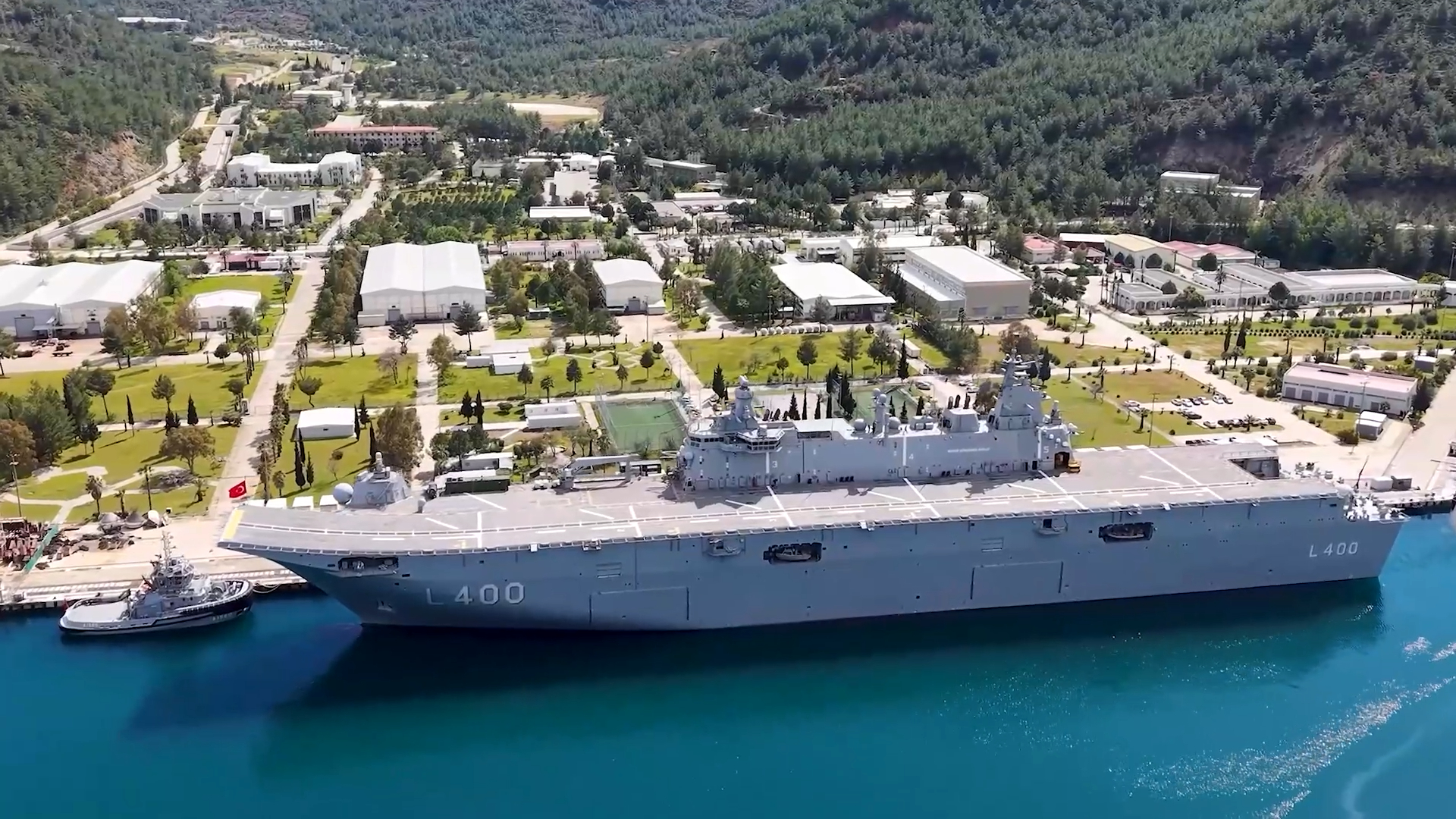
Spain has expressed its intention to strengthen industrial cooperation with Türkiye, and ongoing collaborations between defence industry companies of both countries in the fields of naval and aerospace projects stand as a clear indication of this commitment. In the naval domain, the TCG Anadolu Multi-Purpose Amphibious Assault Ship (L-400) Project, realized in partnership with the Spanish company Navantia for the Turkish Naval Forces (TNF), and in the aerospace sector, the joint membership of both countries in the A400M Military Transport Aircraft Program managed by OCCAR, are particularly noteworthy. In the naval sector, Türkiye’s National Aircraft Carrier (MUGEM), TF-2000 Air Defence Destroyer, and MİLDEN National Submarine Programs may offer significant opportunities for Spanish Defence Industry companies.
In addition, in 2023, Turkiye began discussions with the Eurofighter Consortium (Eurofighter GmbH) to acquire 40 Eurofighter Typhoon fighter jets. In order to meet the interim fighter jet requirement of the Turkish Air Force (TurAF), until the first squadron of indigenously developed KAAN National Combat Aircraft becomes fully operational in mid 2030s, Eurofighter Typhoon Procurement Project, dedicated for air superiority role, was initiated by the Turkish Ministry of National Defense (MoND) to bolster TurAF and enhance its air superiority capability. The project covers the direct procurement of two squadrons (each with 20 aircraft) of new production Eurofighter Typhoons. The Eurofighter Typhoon, developed by a European consortium including Germany, the UK, Spain and Italy, represents one of the most advanced new generation multi-role/swing-role combat aircraft in operation today. While discussions have faced challenges, particularly due to Germany's initial opposition, efforts by the UK, Italy, and Spain have aimed to facilitate the potential sale. Türkiye’s ongoing efforts to procure 40 Eurofighter Typhoon fighter jets from the Eurofighter Consortium underscores the country’s intent to enhance its air force capabilities and deepen ties with European defense industries. Airbus Defence & Space has 46% share in Eurofighter Typhoon combat aircraft program. As a key industrial partner and a benchmark supplier of the Eurofighter program Indra participates in the development, production and maintenance of the key elements that make this state-of-the-art aircraft a superior model, such as the Captor Radar, the Praetorian self-defence system, as well as many other pieces of avionic equipment. Indra also will take place in Spanish Air Force’s HÜRJET Advanced Jet Trainer Program.
A Protocol of Understanding on technical cooperation between the Ministries of Defense of Türkiye and Spain, signed on September 27, 1999, laid the foundation for this collaboration. This framework was further reinforced by an agreement on the protection of classified information in the defense industry. Nonetheless, despite these foundational arrangements, there remains significant untapped potential to expand and deepen bilateral cooperation in the sector.
On November 8, 2017, Türkiye signed a Letter of Intent (LoI) with Spain to enhance cooperation in the defense industry, including joint work on the Landing Platform Dock project (TCG Anadolu). The letter was signed by then-Minister of National Defense (MoND) Nurettin CANİKLİ and then-Spanish Defense Minister María Dolores Cospedal GARCIA following a NATO Defense Ministers Meeting in Brussels. The agreement envisaged broader cooperation across land, air, and maritime systems, as well as in research and development. Additionally, the Law Regarding the Approval of the Agreement Between the Government of the Republic of Türkiye and the Kingdom of Spain on the Protection of Classified Information in the Field of Defense Industry, signed in Ankara on June 25, 2014, was ratified and entered into force with its publication in the Official Gazette on November 25, 2017.
During his official visit to Spain on November 17, 2021 at a joint news conference with visiting Spanish Prime Minister Pedro SANCHEZ, Turkish President Recep Tayyip ERDOĞAN said that his country hopes to increase defense cooperation with NATO ally Spain through the purchase of a second aircraft carrier and possibly a submarine. ERDOĞAN said Türkiye and Spain had already cooperated on the construction of a Spanish assault ship (TCG Anadolu). “The first aircraft carrier was not a large-scale one. We have agreed on the construction of a large scale (carrier,). And perhaps, we will also enter (cooperation) for a submarine.” ERDOĞAN said.
As part of the 8th Spain–Türkiye Intergovernmental Summit, held in Madrid in June 2024, a Defense Industry Conference took place on June 13, 2024 at the Spanish Institute for Defense Systems Engineering (ISDEFE). The conference was attended by Secretary of State for Defense Amparo VALCARCE on behalf of the Spanish Ministry of Defense, and by President of Türkiye’s Defense Industry Agency (SSB), Haluk GÖRGÜN. Addressing representatives and executives from both Spanish and Turkish defense companies, Secretary VALCARCE emphasized that “the excellent relations between the two countries have matured into a solid and strategic bilateral partnership in the field of defense industry cooperation.” She highlighted the Spanish government’s support for the public defense company Navantia and noted the high technological standards of Spain’s defense sector, particularly in the aerospace domain.
Highlighting existing strategic partnerships—most notably the TCG Anadolu Multi-Purpose Amphibious Assault Ship and the A400M Military Transport Aircraft projects—SSB President GÖRGÜN stated: “Through our bilateral discussions, we reaffirmed our shared commitment to further advance our ongoing collaborations, laying the groundwork for a new phase in our defense industry relations.” He added, “Our defense industry has evolved into a powerful authority not only in its own region but also on a global scale. It is extremely gratifying to witness this recognition in every international forum we participate in.”
Notably, the 8th Spain–Türkiye Intergovernmental Summit held in June 2024 also addressed potential cooperation in emerging areas such as Unmanned Underwater Vehicles (UUVs) and Unmanned Aerial Vehicles (UAVs), reflecting the evolving scope of defense collaboration between the two nations. During the Summit, a total of 11 bilateral agreements were signed in the presence of President Recep Tayyip ERDOĞAN and Spanish Prime Minister Pedro SÁNCHEZ, further solidifying the strategic partnership between Türkiye and Spain.
Defense industry cooperation between Türkiye and Spain has intensified over the past few years, with particular focus on a potential partnership between Turkish Aerospace (TUSAŞ), Airbus Spain and Indra regarding the HÜRJET, a twin-seat, single-engine supersonic new generation Advanced Jet Trainer (AJT) and Light Combat Aircraft (LCA) developed by TUSAŞ. In the coming days, TUSAŞ and Airbus are expected to sign an agreement in Spain to jointly work on customizing the HÜRJET to meet the specific requirements of the Spanish Air and Space Force (SASF).
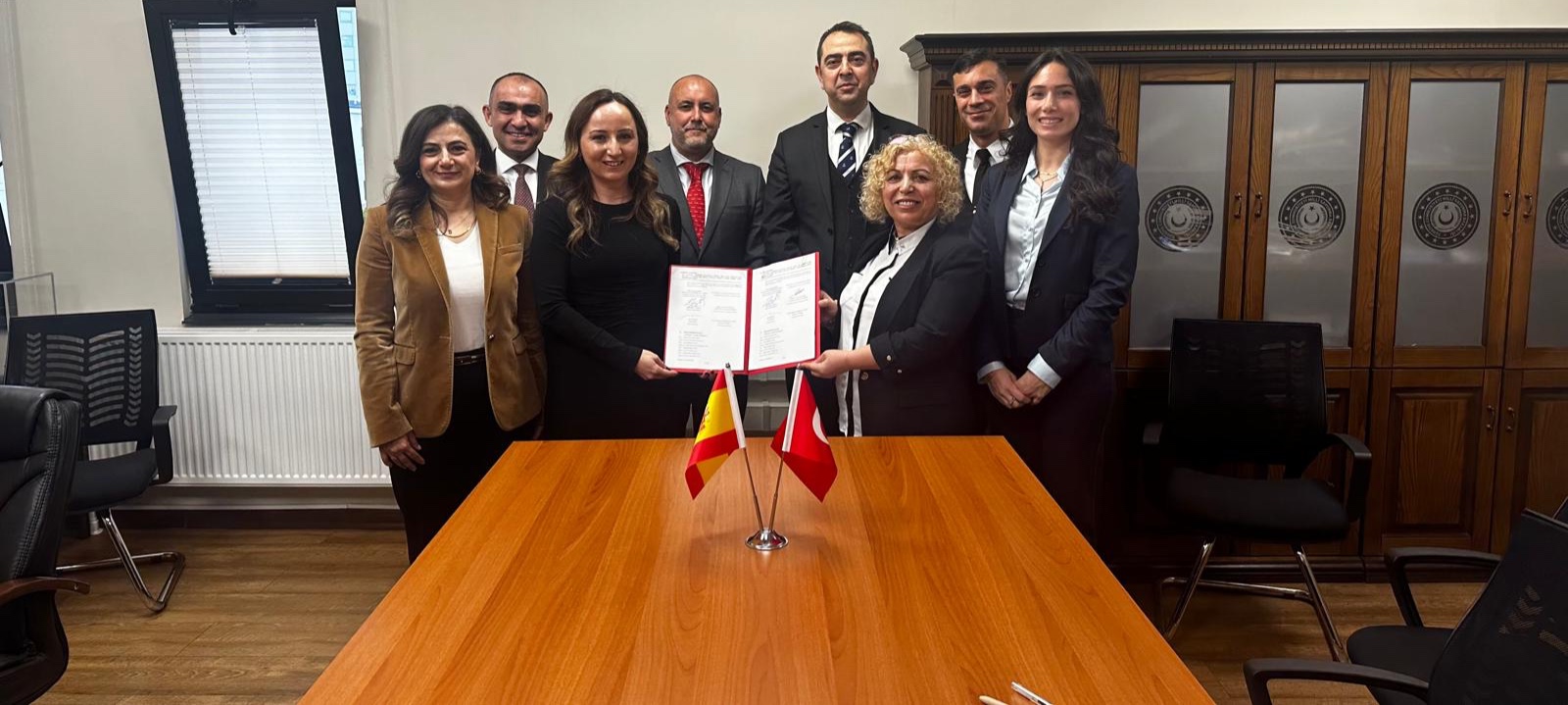
TUSAŞ’ HÜRJET New Generation Advanced Jet Trainer (AJT) is being considered as a leading candidate in Spain's effort to replace its aging SF-5M AJT fleet. On December 20, 2024, Türkiye and Spain signed a memorandum of understanding (MoU) for cooperation on the HÜRJET advanced Jet Trainer Aircraft Project and also for the development of an advanced pilot training system for the Spanish Air and Space Force. The MoU, which will form the basis of defense industry cooperation between Türkiye and Spain regarding the Spanish Air and Space Force’s Jet Trainer Aircraft Project, was signed by Spain’s Secretary of State for Defense Amparo VALCARCE on behalf of the Spanish Ministry of Defense and by Nüket Küçükel EZBERCİ, Türkiye’s Ambassador to Spain on behalf of the SSB.
The SASF has been in search of a new generation jet trainer aircraft since 2023 to replace the SF-5Ms (license-produced by CASA). They plan to have new aircraft in 2028 in Spain for the training of fighter and attack pilots. Turkish Aerospace’s HÜRJET is one of 4 competitors (including Boeing T-7, KAI T-50 and Leonardo M-346) of the SASF to replace its aged SF-5M Freedom Fighter Advanced Jet Trainers (designated as AE.9). If selected, the HÜRJET Next Generation AJT would replace the SASF’s 19 Northrop SF-5Ms operated by Ala 23 (23rd Wing) based in Talavera La Real (Badajoz) Airbase, which gives advanced flight training to SASF pilot candidates to fly EF-18M Hornets and Eurofighter Typhoons.
On the afternoon of July 28, 2024, accompanied by a Turkish Air Force (TurAF)’s A400M, HÜRJET’s first flying prototype (P1) fown from Ankara, Türkiye to Madrid, Spain and landed at Torrejón Air Base in Madrid, Spain for evaluation by the Spanish Air and Space Force (SASF). If SASF select the HÜRJET, which promises innovative technologies and functionalities, the total number of aircraft has the potential to increase from 24, for which negotiations are currently ongoing, to 40. HÜRJET could also attract further demand from other European countries seeking next-generation AJT.
Over the past months, Turkish delegations have reportedly visited Airbus and Indra facilities in Spain to explore collaboration opportunities. For example, in mid-March 2025, the Turkish Ambassador to Spain, Nüket Küçükel EZBERCİ, led a delegation that met with Francisco J. SEGURA, Head of Airbus Spain, to discuss defense industry cooperation. As mentioned above lines, Chief of the TGS Gen. GÜRAK also visited Airbus facilities in Sevilla during his official trip to Spain. These high-level meetings followed late February discussions between the Spanish Government and Airbus at the highest level, during which Spain formally expressed interest in involving Airbus in the development of a new advanced jet trainer to succeed the F-5.
Regarding HÜRJET’s export sales, TUSAŞ General Manager Mehmet DEMİROĞLU stated in an interview at the beginning of May: “When we develop a product, we don’t design it solely based on Türkiye’s needs. For example, when we talk about T625 GÖKBEY, we say we need to produce at least 500 units. For our aircraft, we’re talking about numbers in the hundreds. These are not solely for domestic needs. We believe HÜRJET has strong potential to become NATO’s next training aircraft. We are confident in this – we just need to make the right moves at the right time.”
Cadiz-based Spanish company Airtificial Aerospace & Defense is among foreign companies that TUSAŞ cooperate in the development phase of HÜRJET. Airtificial is producing active and passive inceptor controls (flight control sticks) for Turkish Aerospace’s (TUSAŞ) HÜRJET Next Generation AJT. Airtificial announced April 3, 2024 that they have secured a two-phase contract worth 4.8 Million EUR (5.2 Million USD) to produce the inceptors for the series production HÜRJET AJTs.
Additionally, Spain's defense firm Indra recently established a partnership with Türkiye's OTOKAR to explore cooperation in military vehicle development. This industrial initiative reflects both countries' interest in deepening multi-layered, long-term collaborations in defense production.
Türkiye and Spain have also cultivated significant relationships in the naval sector. State-owned Spanish company Navantia provided design, technology transfer, equipment and technical assistance to Türkiye’s Sedef Shipyard for the construction of the TCG Anadolu (L-400) Multi-Purpose Amphibious Assault Ship. Inducted into the Turkish Navy service on April 10, 2023, the TCG Anadolu, is based on the Navantia’s Atlas LHD 26,000 design like the Juan Carlos-I (L-61) in service of the Spanish Navy and the Canberra Class LHDs, HMAS Canberra (L-02) and the HMAS Adelaide (L-01) in the service of the Royal Australian Navy. Negotiations are under way for a second ship based on the same design. The 1.250 Billion EUR valued main contract for the Multi-purpose Amphibious Assault Ship (LHD) Project includes the procurement of one LHD (TCG Anadolu), four Landing Craft Mechanized (LCM, the Navantia design four LCM-1Es were constructed at Sedef Shipyard), two Landing Craft Vehicle Personnel (LCVP), two Rigid-hulled Inflatable Boat (RHIB), and one Commander Boat for guidance purposes. TCG Anadolu LHD Program had a very ambitious local content objective higher than 65% (she was constructed with a 68% local content rate). In order to achieve this high local content rate Navantia established agreements with technological and strategy partners, as well as with local partners. In this context, apart from its partnership with Sedef Shipyard for the construction of TCG Anadolu LHD ship and four LCM-1Es, Navantia also cooperated with ASELSAN and HAVELSAN for the combat system, the Türk Loydu for the Class Certification (TCG Anadolu was build according to Türk Loydu Naval Ship Classification Rules), AYESAŞ for the Integrated Platform Management System (IPMS), and DELTAMARINE, which deeply involved in the design of the ship.
Active in Türkish market for more than twenty years, Navantia is also ready to contribute value to Turkish Navy’s MILDEN National Submarine & TF-2000 Air Defense Warfare (ADW) Destroyer Programs with the knowledge and capacities acquired during S-80 and F-110 Programs either through delivering the complete Submarines and Frigates (either built in Spain or through a transfer of technology program) or own developed cutting-edge mission critical systems, Integrated Combat System Core (ISCS), Integrated Platform Management System (IPMS), Integrated Communications System and the BEST AIP System that could be fitted in MILDEN Submarines & TF-2000 ADW Frigates.
These recent engagements highlight the growing strategic ties between Türkiye and Spain in the defense sector.
Success Stories from Past to Present: CN235 & A400M Programs
Bilateral cooperation in the defense industry between Türkiye and Spain has yielded several notable success stories over time particularly in the aerospace and naval sectors. It can be said that the first of these was the Turkish Air Force’s CN235-100M Light Transport Aircraft Project. In early 1990s, Türkiye became the main operator of the CN235 aircraft, which was acquired from the Spanish company CASA (now part of Airbus). CN235-100M Light Transport Aircraft Project of the Turkish Air Force (TurAF) was the first and, at the time, the largest ever defense industry collaboration between Türkiye and Spain.
In January 1990, the CN235-100M Light Transport Aircraft, produced by CASA (now Airbus Spain), was selected by the Turkish Air Force Command (TuAF) under its Light Transport Aircraft Project. A contract worth 550 Million USD was signed on December 11, 1990, and entered into force in February 1991. The contract, financed through a long-term, low-interest loan backed by the Spanish Government, covered the procurement of 52 CN235-100M aircraft for the Turkish Air Force. Of these, 2 aircraft were manufactured at CASA facilities in Spain and delivered to TurAF in January 1992 (in Spain for the training purpose), while the remaining 50 aircraft were produced over a seven-year period (February 1991 – August 1998) at Prime Subcontractor TAI (now TUSAŞ) facilities in Ankara, Türkiye and delivered to the Turkish Air Force. The CN235 airframe is composed of 20% composite materials, and this project marked the beginning of TUSAŞ’ composite material production and processing capabilities. Under the TuAF’s Light Transport Aircraft Project, 92% of the CN235-100M airframe structures were manufactured domestically at TUSAŞ facilities.
Additionally, under the MELTEM I Project signed on September 25, 1998, TUSAŞ manufactured nine more CN235-100M aircraft—six for the Turkish Navy and three for the Turkish Coast Guard. These aircraft were produced at TUSAŞ facilities between November 13, 2001, and January 17, 2003, including all ground and flight tests. Following final inspections and acceptance tests, the aircraft were delivered to the Turkish Navy and Coast Guard.
The MELTEM I Project had a financial volume of 130 Million USD (with 103 Million USD involving CASA + TUSAŞ participation). Within this scope, nine fuselages, center wings, outer wings, and tail components were manufactured and sub-assembled at TUSAŞ facilities. The fuselage, center wing, and tail assemblies were completed at TUSAŞ, while the outer wings were assembled at the 2nd Air Supply and Maintenance Center Command (ASMC, now the 2nd Air Maintenance Factory Directorate/AMFD) in Kayseri. The external painting of the aircraft was also conducted at the 2nd AMFD facilities. In other words, under the MELTEM I Project, almost the entire aircraft structure—excluding the ~15% share handled by the 2nd AMFD—was manufactured at TUSAŞ facilities, including final assembly and flight testing.
These nine aircraft were later structurally modified under the MELTEM II Project to be configured as Maritime Patrol Aircraft (MPA, 6 for the Turkish Navy) and Maritime Surveillance Aircraft (MSA, 3 for the Turkish Coast Guard). Today, a total of 58 CN235-100M aircraft remain in active service in Türkiye: 49 with the Air Force, 6 with the Navy (referred to as P235), and 3 with the Coast Guard. Three aircraft have been lost over the years due to crashes, resulting in the martyrdom of 40 military personnel.
On July 1, 2015, the 2nd AMFD, which has carried out Depot Level Maintenance (DSB) more than 120 times for the 58 CN235-100M Aircraft in the inventory certified by Airbus D&S, was formally designated as a “Regional Maintenance Support Center” for CN235 aircraft operating in Türkiye and the region. The 2nd AMFD has been tasked to perform avionics modernization of the CN235 Aircraft in TurAF fleet. Project was initiated in order to to enhance flight safety and to equip CN235 aircraft with capabilities required by international air traffic regulations, including TCAS, IFF Mode 5S, ADS-B OUT (Automatic Dependent Surveillance–Broadcast Out), and GPS-based navigation. The prototype phase of the project was carried out between 2021 and 2023. Upon completion of test flights in 2023, preparations began for transitioning to the Serial Modernization Phase, with the aim of implementing the approved design across the entire fleet. In this context, all required Group-A and Group-B components as well as raw materials have been procured, and the designated workshop for the modernization process has been prepared. The Serial Modernization Phase of the CN235 Avionics Modernization Project was commenced in 2024. According to the information we have obtained, the indigenous and cost-effective solution developed in-house by the 2nd AMFD within the scope of the CN235 Avionics Modernization Project has also been regarded as highly successful by Airbus Defence & Space. Negotiations are continuing to utilize this cost-effective CN235 Avionics Modernization package, developed by the 2nd AMFD, for other CN235 Aircraft in the world, in cooperation with ASFAT and Airbus Defence & Space.
In light of growing logistical challenges, including spare parts shortages and the CN235 aircraft’s limited operational performance, the Turkish Air Force (TurAF) is reportedly considering a phased decommissioning of a portion of its CN235 fleet in the coming years. As part of a broader modernization effort, plans are being evaluated to replace these aircraft with 20 to 25 new generation light/medium transport aircraft. Among the leading candidates are the Airbus C295 and the Leonardo C-27J Spartan NG, both of which are seen as viable solutions to meet the Air Force’s evolving operational requirements. This potential procurement is expected to enhance Türkiye’s tactical airlift capability and support its long-term objectives for greater interoperability with NATO and allied forces.
Meanwhile, Airbus Defence & Space presented the C295 military transport aircraft to both the Gendarmerie General Command’s Aviation Department and the Turkish National Police Aviation Department during an event hosted and coordinated by JAVDES Aviation Inc. on January 15, 2025, at the Gendarmerie Aviation Command's Güvercinlik Campus. The event was held within the framework of the Liaison and General Purpose Aircraft Procurement Project, which was launched in 2016 by Türkiye’s Defence Industry Agency (SSB) to meet the needs of the Turkish Land Forces Command and the General Directorate of Security. The project aims to ensure the rapid deployment of operational units, along with their equipment and supplies, across long distances under all weather conditions. In 2019, following a reassessment, the Gendarmerie General Command was also included in the project scope. However, according to information obtained, a revision has recently been made to the number of aircraft to be procured under the project. The updated plan now foresees the procurement of a total of only 7 aircraft, to be distributed among the Ministry of Interior-affiliated Gendarmerie General Command (JGnK), Coast Guard Command, General Directorate of Security (Turkish Police), and the Disaster and Emergency Management Authority (AFAD). Previously, the procurement plan envisioned the acquisition of 6 aircraft for the Land Forces Command, 3 for the General Directorate of Security, and 2+1 for the Gendarmerie Aviation Command.
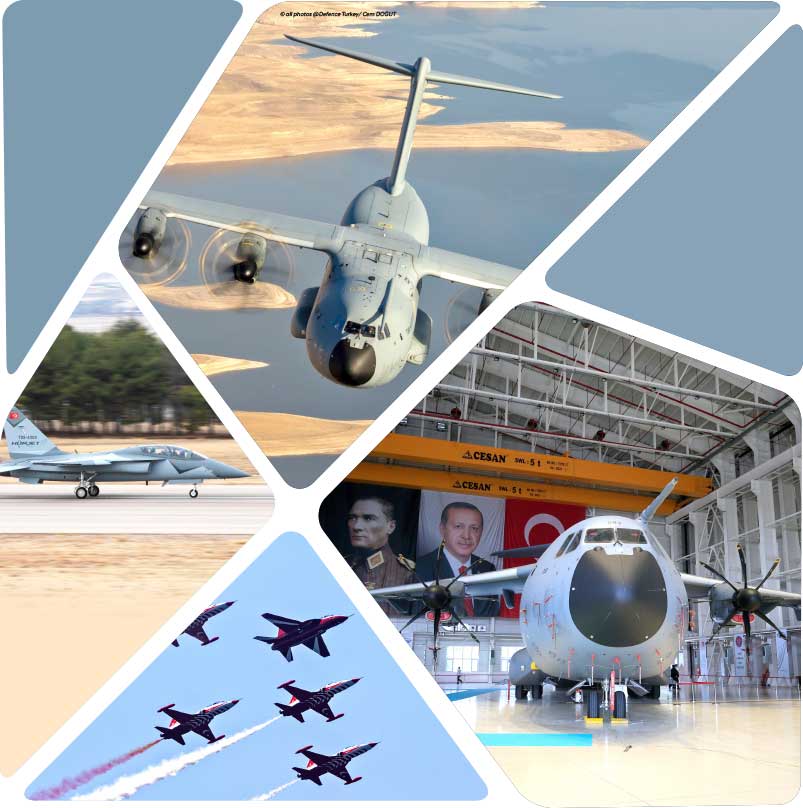
Within the scope of the A400M Military Transport Aircraft Program managed by OCCAR and led by Airbus, Türkiye declared that 10 aircraft would be procured for the Turkish Air Force (TurAF) and signed a contract valued at 1.496 Billion EUR in 2003 to this end. The cost of every A400M Atlas Strategic Transport Aircraft to Türkiye was announced as 125 Million EUR. Türkiye’s participation in the A400M Program, in which Türkiye participates with six other European countries, is accepted as the country’s most significant involvement in a European multinational aerospace program to date. The first A400M Atlas Strategic Transport Aircraft with MSN009 (Manufacturer Serial Number 009) serial number and 13-0009 tail number entered into the service with a ceremony held at the 12th Air Transport Main Base Command on May 12, 2014. Under the A400M Program, the 10th and last aircraft with MSN118 serial number was flown from Seville, Spain to Türkiye by the Air Force flight crew on March 30, 2022, after the completion of the acceptance test activities and deployed to the 12th Air Transport Main Base Command in Kayseri/Erkilet. With this delivery Türkiye became the first country in the consortium to complete its A400M fleet.
Operated by the 221st Air Transport Squadron at the 12th Air Transport Main Base Command located at Erkilet, Kayseri the A400M Atlas is a new generation military transport aircraft capable of conducting long-range tactical and strategic transport missions. The A400M represents the first Strategic Air Lift Capability that the TurAF has acquired for the first time in its history. With the tasks it executed so far, the A400M Atlas proved that it has increased the limits of the TurAF. With A400M Atlas Strategic Transport Aircraft TurAF is able to fly directly from the 12th Air Transport Main Base Command in Kayseri, Türkiye to the U.S.
In return for Türkiye’s procurement of 10 A400M aircraft, Turkish Aerospace (TUSAŞ), which holds a 5.56% stake in Airbus Military (now Airbus Defense & Space), is responsible for a 7.15% share of the Structural Work Package. This includes the design and production of the Forward Center Fuselage, Ailerons, Spoilers, Paratrooper Doors, Emergency Exit Windows, Tail Cone, and Upper Rear Fuselage. Additionally, TUSAŞ is responsible for a 1.26% share of the Systems Work Package, covering the design and production of the Lighting System as well as the Water and Waste Systems. Each A400M aircraft will include TUSAŞ-manufactured components with an average value of approximately 4 to 4.5 Million EUR.
The A400M aircraft is powered by the TP400-D6 engine, a turboprop engine designed by the Euro Prop International (EPI) consortium (Rolls-Royce, MTU, Snecma, and ITP), a subcontractor of Airbus. Among the sub-contractors of EPI on the engine, TUSAŞ Engine Industries, Inc. (TEI) is also included. TEI is responsible for 2.45% of the TP400-D6 engine and carries out the design, development, prototype production, assembly, testing, serial production, and after-sales support activities for the Front Bearing Structure Module, the Exhaust Nozzle Module, and the Special to Project Test Equipment (SPTE) within the scope of the program.
Selex ES Türkiye (now Leonardo Türkiye), acting as a subcontractor to TUSAŞ, assumed responsibility for the design and production of the Internal/External Lighting System for the A400M aircraft under an agreement signed in March 2005.
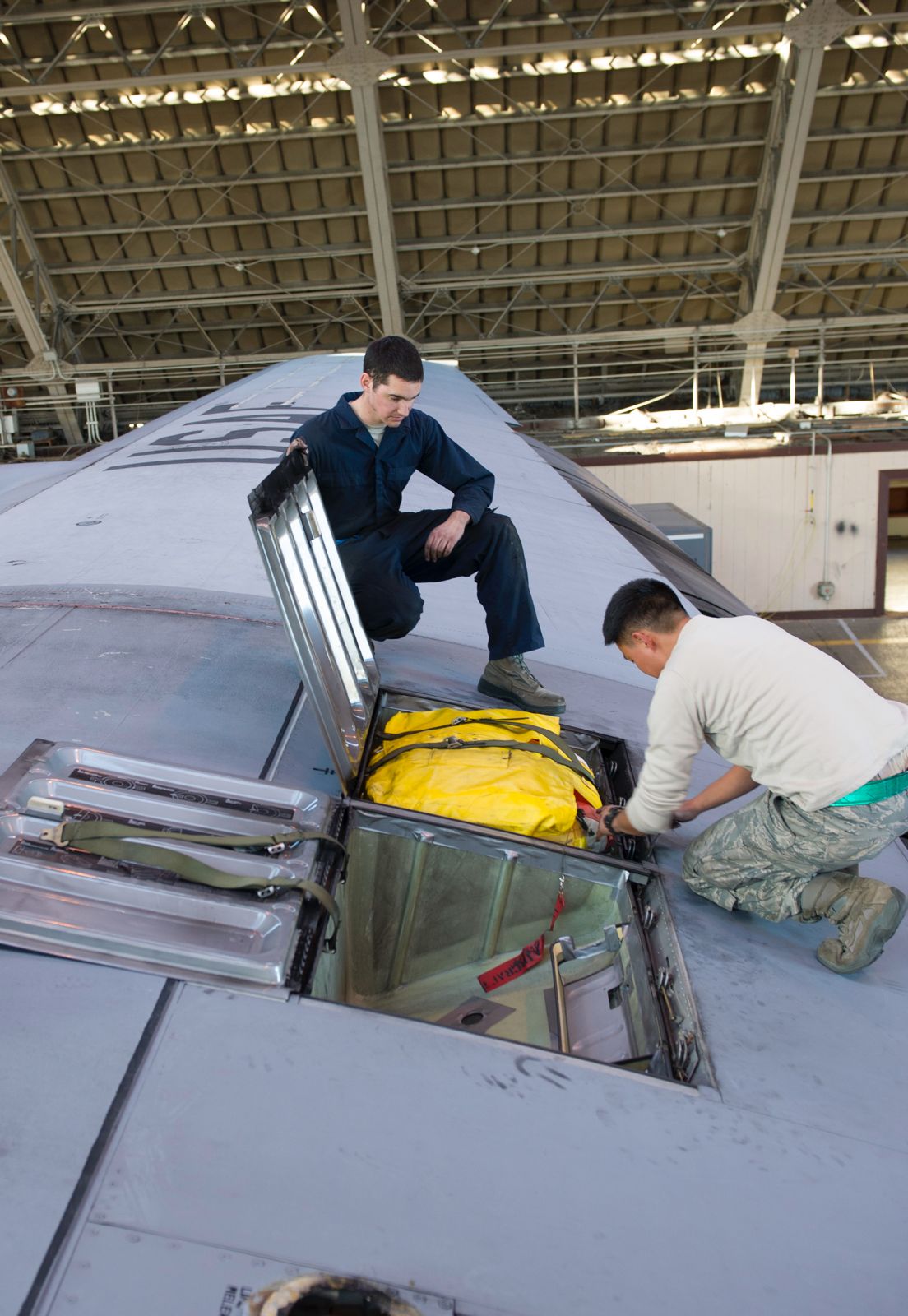
The C-Check Overhaul and Depot Level Maintenance & Repair (DLM&R) operations of the A400M aircraft in TurAF fleet are carried out at the Retrofit Center established in Kayseri at the 2nd AMFD facilities. The 2nd Air Maintenance Factory Directorate (2nd AMFD) has been certified by Airbus Defense & Space to provide C-Level Overhaul service to TurAF A400Ms, following a detailed certification process conducted by Airbus personnel over a one year period