Eurofighter Offers a Wide Range Cooperation to Turkey
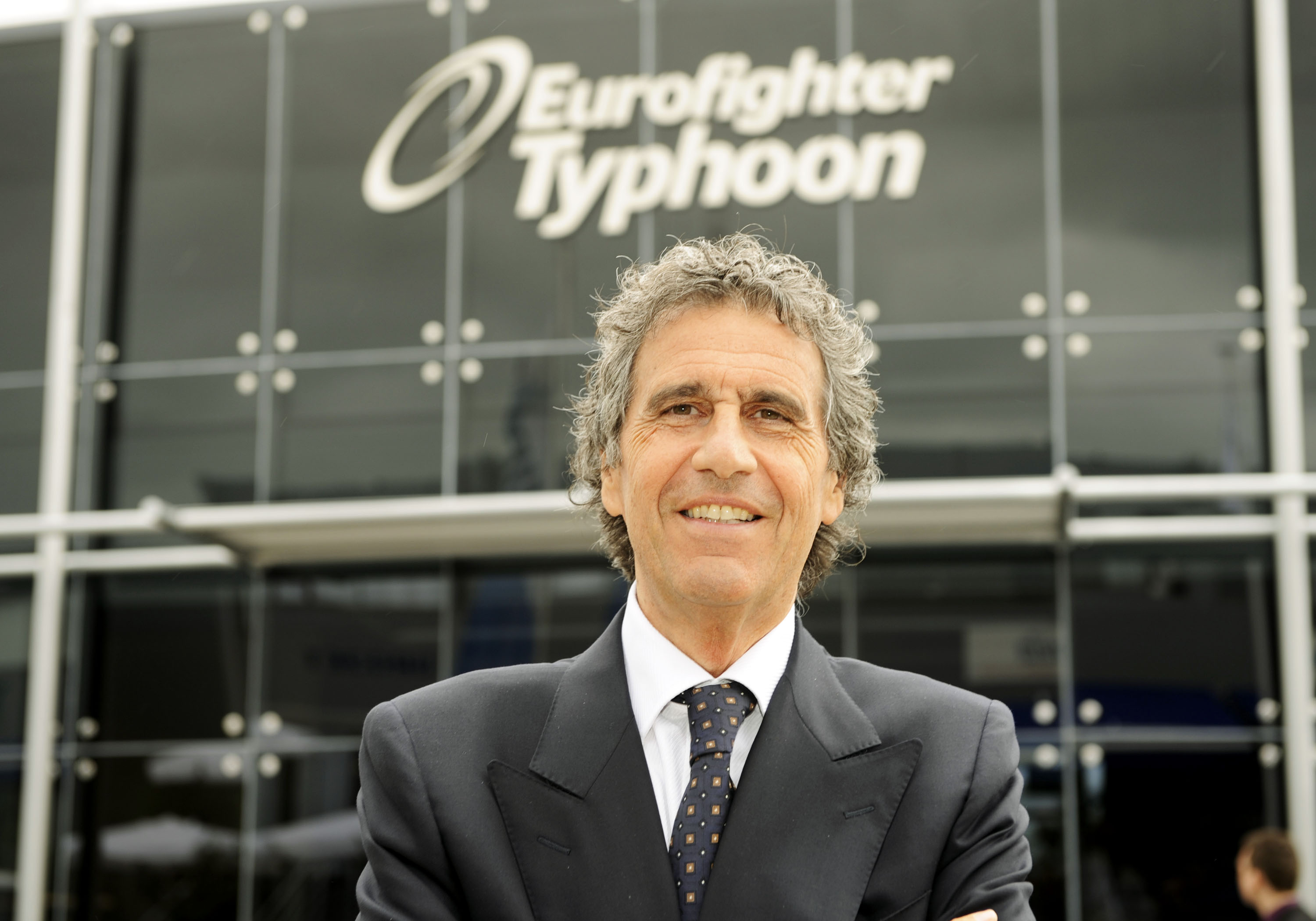
Defence Turkey: Mr. Casolini first of all how would you assess the current status of the Eurofighter programme?
I can proudly say that Eurofighter is today the best multi role fighter available on the world market. It is a new generation aircraft which entered into service only in 2004, but at the same time is a mature programme, with more than 240 units already in service and around 100.000 flying hours flown. So it is a capable machine, fully tested; with no technological risk; with very high operational readiness and affordable in its in-service life.
Defence Turkey: In terms of the future growth and sustainment of the Eurofighter programme, what is your strategy and current situation, focusing on cooperation with new export customers for the Eurofighter? Could you please enlighten us on your cooperation with India, Japan and Saudi Arabia?
From the beginning, Eurofighter Typhoon was designed to take into account a very clear development path that will lead to the aircraft having more capabilities to better answer evolving threats. This will provide the air forces with the most advanced technological and operational capabilities, as and when they are mature and affordable.
The Eurofighter Typhoon is a combat system capable of guaranteeing deterrence throughout its lifetime. To do that it must have an intrinsic development capability that makes it a credible force for decades to come.
We are working together with India and Japan to offer our aircraft to the local air forces and to establish a sound industrial participation plan for the local industries. A fighter acquisition programme has to be an investment not just a cost to a nation. Only with a strong and high level of industrial participation from local industry is this possible. This is also the case in Saudi Arabia. The Royal Saudi Air Force (RSAF) is an important customer of the Eurofighter Typhoon, the RSAF ordered 72 aircraft in 2007 and aircraft deliveries are progressing to programme.
Defence Turkey: It is known that Turkey is one of the participants on the JSF programme. What is your strategy for Turkey’s future participation in the Eurofighter programme? What level of industrial participation are you planning to offer Turkey?
Eurofighter and the JSF are perfectly complimentary. Italian and British industry are working on both projects, as their air forces made the choice to use the Eurofighter Typhoon in multi-role operations focusing on a strong air superiority and the JSF for the ground attack role. The US made a similar decision, combining the F-22 and JSF.
Working on both programmes would be a great opportunity for Turkey, as not only the technologies are different for each aircraft, but Turkish industry would benefit from future collaborations with a large number of European companies. These would not only include the four largest military aerospace companies; BAE Systems in the UK; the German and Spanish Cassidian and Italian Finmeccanica – with a combined turnover of 120 billion dollars in 2009 – but also 400 smaller companies working for the Eurofighter programme as suppliers. This would give industry in Turkey a business opportunity to provide their Air Force with the best operational capabilities, rarely found in other military programmes.
Defence Turkey: Are any investments or joint productions planned with Turkey?
If Turkey selects Eurofighter to compliment the JSF, complete industrial participation packages are ready to be offered to a large range of Turkish companies, including a big work share percentage. A local production line is also feasible, depending on the numbers of aircraft ordered. Most importantly though, I would like to stress the concept that we are not offering Turkey simply a licence for manufacturing rights, but a real opportunity to participate in the development plans of the aircraft, which include: radar, weapon systems, structures and engines. High quality jobs will be transferred to Turkish companies and Turkish engineers, as well as new knowledge of technologies that will be useful to transfer on to future programmes. As I said before, it is an investment for the future, not a cost.