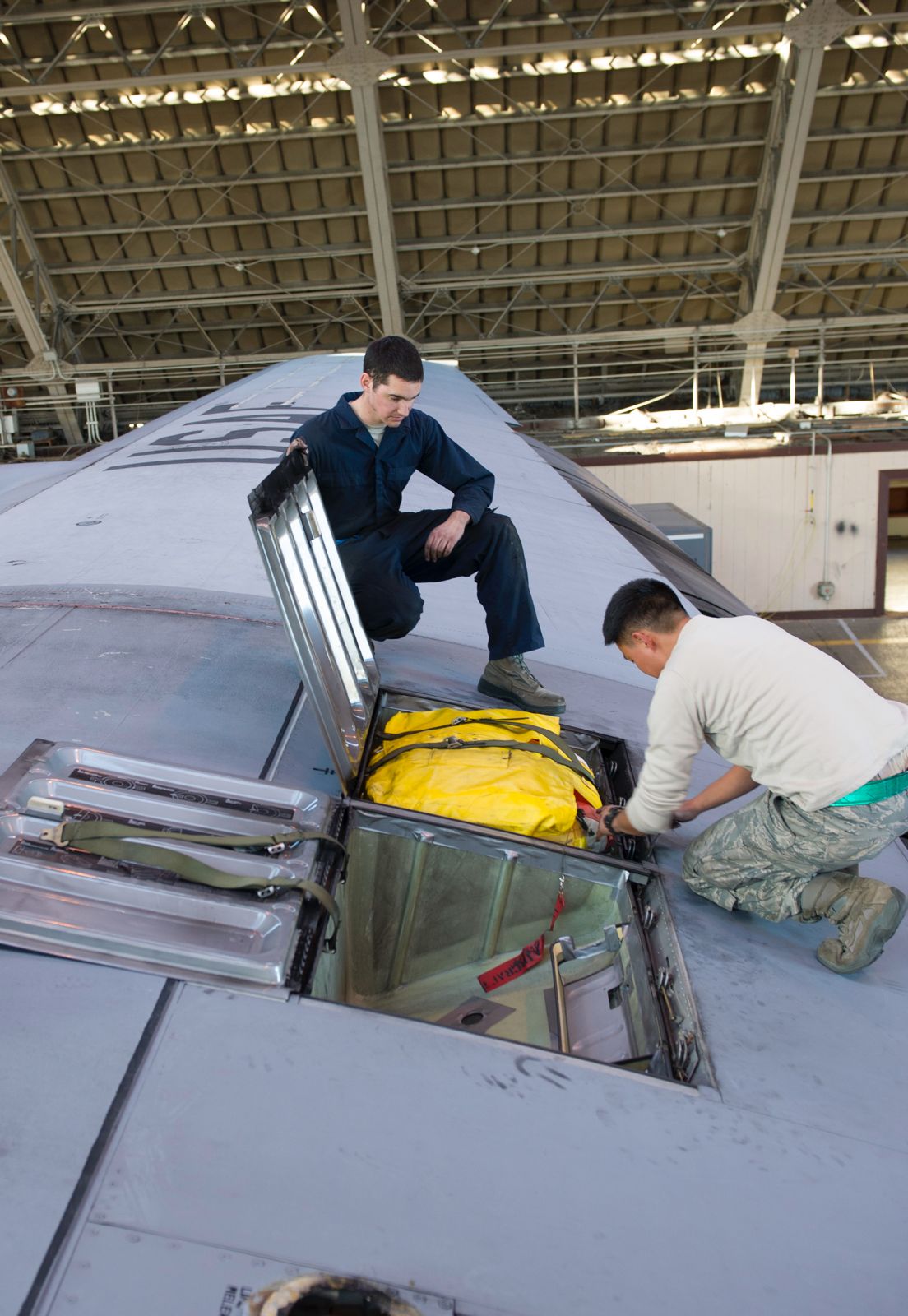
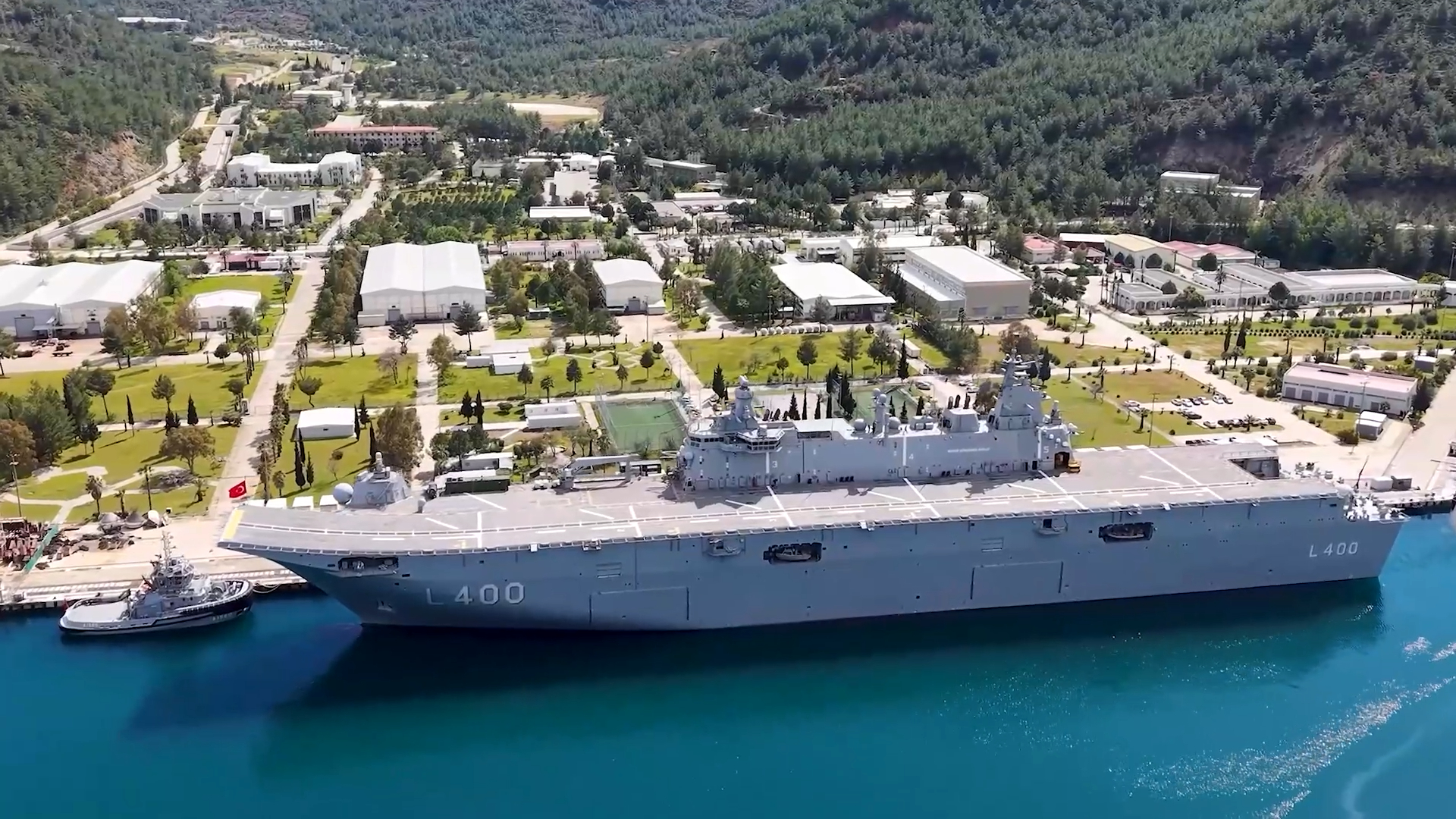
Global Commercial & Military Maintenance, Repair and Overhaul (MRO) Market.
Increasing global air traffic is pushing the MRO market in Commercial Aviation.
Compared to other aerospace sub-segments, it can be said that Maintenance , Repair and Overhaul (MRO) segment attracts less investment in technology and facilities. However, MRO is a serious business activity which is highly capital intensive in terms of financial outlay, creating cost efficient models and deliverables. There are basically three types of service providers in the MRO market. These are Aircraft Operators, Original Equipment Manufacturers (OEMs) and Independent Service Providers. The global civil aviation MRO market is estimated to worth more than $45 billion in 2011.Due to the financial crisis, global air transport MRO spending decreased about $2.5 billion from 2007 to 2009. North American carriers experienced the largest capacity reduction on record in 2008, when U.S. carriers reduced capacity by nearly 800 aircrafts. The need to save costs has halted airline fleet expansions, with aircraft maintenance outsourcing expected to hold steady. However, increasing global air traffic is pushing the MRO market in commercial aviation to grow. By 2019 total size of the market is estimated to reach to 60 billion USD.
North America leads the global MRO market with a share of 32% followed by Europe’s 29%. The North American market is driven by new technologies and innovations that provide safer, greener, and less maintenance intensive aircraft. The demand by airlines for total support and bundled maintenance offerings continue, but cost is a key consideration when choosing a service. Third party MROs are competing to meet this need with key differentiators such as superior quality, quick turn-around time (TAT), a high degree of technical capability, and low competitive cost. Airlines are likely to leave many older aircraft parked due to capacity restraints and the replacement by next generation aircraft. However compared India’ 11 percent & Middle East’s 8 percent growth North American MRO market will only grow in a really modest level around 1-2% by 2020.
India as the next MRO Guru: Commercial Aircraft MRO as a business in India
MRO spending in India is recorded at $800 million in 2011 and is expected to reach $1.5 billion in 2020 according to Frost & Sullivan. With the increase in the number of civil and military aircrafts, more and more global MRO companies are planning to offer engineering services by forming joint ventures with Indian firms. MRO services see great potential in the Indian market with a continuous growth of 15 percent on an annual basis.
The need for MRO services in India arises due to the competitiveness in the market forcing airlines to reduce their cost of aircraft operations and due to their prior focus on passenger and cargo transportation. The huge cost involved in carrying the aircraft outside the country for maintenance purposes leads to more demand for the aircrafts to be serviced in India at a lower cost. Airlines in India spend close to about 13 to 15 percent of their revenues on maintenance. In terms of cost, engine maintenance constitutes a major portion of the MRO chain. Various checks done under MRO services are:
The "A" and "B" checks are performed by the airlines as a part of their daily and weekly aircraft operations. These checks are done either by an airline's personnel or personnel contracted specifically for the task. "C" and "D" checks usually require more labour and are infrastructure intensive. Thus, these tasks are performed outside India.
The Indian civil aviation MRO market is largely untouched due to the lack of third-party service providers with the ability to address the needs of the existing fleet. The cost of getting the aircraft serviced outside the country adversely affects airline's profits. The airlines have to pay hourly charges for aircraft maintenance outside India, creating an urgent need for MRO services in the country. Investment opportunities existing in civil aviation MRO are:
• High demand-supply gap and a rapidly growing aircraft fleet
• Advantage of low labor costs
• Potential cost-saving opportunities for airlines
• Increasing age of aircraft
• Growth of LCCs in the region
Market Challenges
• High capital investments and long break-even periods
• Unfavorable regulatory scenario
• Credibility and brand name of the MRO
• Lack of infrastructure
• Competition from neighboring countries
The success of the MRO industry basically lies in its manpower capability, as the major maintenance checks are more labor intensive; determining the efficiencies in output. With low labor costs and skilled manpower in India, the MRO market is growing at a fast pace. On the other hand North American MRO vendors should revaluate their present organizational structure and continue to seek improvements availability of skilled labor will be a challenge in the industry and therefore, they must be prepared for the rise in labor costs.
MRO “Spring” in the Middle East : Growth! Growth! Growth!
The Middle East has seen an unexpected growth of the airline market in capacity over the last ten years and it seems to keep up its face for the next 20 years. The region’s players have become global competitive forces. Boeing predicts that airlines in the region will need an estimated 2,520 aircraft worth $450bn by 2030. Airbus values the market at $347.4bn, with 1,921 new aircraft required. Aircraft maintenance is one of the most serious business activity and highly capital intensive in terms of financial outlay, creating cost efficient models and deliverables in such an environment . The rapid increase in MRO spending has made it a compulsory business in Middle East rather than an optional activity.The total market volume for MRO in the Middle East was estimated to about $3.2bn in 2011 and the biggest spenders in the region, are Emirates Airline, Qatar Airways, Saudi Arabian Airlines, Etihad Airways and Gulf Air. “The MRO industry in the Middle East is on an upward spiral, as is also the case with the Asia- Pacific region.
“Within the UAE, companies have been importing knowledge and have the experienced working force to meet the MRO requirements,” says Mantzavinou. Getting the aircraft serviced in the region will save valuable fuel, logistics cost, engine and component hours, thereby generating more revenue for the airlines. MRO industry can help domestic airlines save on the total cost on airframe maintenance. However, outside the UAE there is a clear lack of expertise. Thus the demand is likely to be served by western independent MROs with established regional presence.
SWOT Analysis, Middle East Commercial Aviation MRO Market.
Turkey: Turkish Airlines Technic Inc. is also getting “Globally Yours”
In addition to its aggressive fleet expansion strategies, with the glittering global sponsorship deals with Barcelona FC. Manchester United, Kobe Bryant & Caroline Wozniacki, Turkish Airlines (THY) is one of the most valuable global brands in the commercial aviation. However not only Turkish Airlines but also its MRO branch Turkish Airlines Technic Inc. is an important player in the “Champions League” of the commercial aviation. Turkish Technic is running wide range of MRO operations from non-destructive testing to aircraft painting. As the only one-stop shop in the region with its back shops certified for over 4,000 Boeing and 4,000 Airbus aircraft components, Turkish Technic has joined the worldwide Airbus MRO Network in Jan. 2012 which includes global market leading Lufthansa Technik, ST Aerospace, Air France Industries, SR Technics and TIMCO.
Turkish Airlines Technic Inc. Regional Income Breakdown
Source: Turkish Airlines Technic Inc.
Turkish commercial MRO market is estimated to worth around $ 710 million in 2011 and Turkish Airlines Technic Inc. dominates the market with the 85% of all MRO operations. 35% of the total income of Turkish Technic is from the third party operators. Middle East and African 3rd party operations cover 13% of Turkish Technic’s breakdown of incomes. “Considering the drivers such as;
- Political climate after the Arab Spring.
- Turkey’s increasing influence in the region
- Promising big scale growth opportunities in the commercial aviation market.
- Lack of technological capabilities in the regional players.
Turkish Airlines Technic Inc is expected to position itself well in the competitive landscape.” says Frost & Sullivan’s aerospace, defence & security consultant Koray Özkal
Engine MRO Market Leads the Way.
Air passenger traffic has a direct relationship with fleet utilization, which in turn results in a greater need for engine MRO. Meanwhile, participants have to strategize to deal with the high procurement costs of new engines for aircraft such as the A380 and the B787 Dreamliner, which are restraining airlines from upgrading and maintaining their aircraft engine therefore, airlines acquire replacement parts from the Parts Manufacturer Approval (PMA), which are lower-priced parts that are manufactured or designed by companies that are not original equipment manufacturers (OEMs). Robust growth in the air traffic of low-cost carriers has created business opportunities in the engine MRO market. “Engine maintenance will remain being the biggest expense category for the next 10 years as it has been so far , according to Frost & Sullivan reports. This Royce, GE/Iberia and Engine Alliance, are expected to each hold more than 10 per cent of the market share,” says Mantzavinou. “We do not expect to see this MRO business being outsourced in the medium term,” comments Mantzavinou. A major heavy maintenance focus is expected to be on the A380-800 and A320-200 aircraft types.
Military Aviation MRO Market:
In 2011, global Military Aviation MRO market was estimated to worth about $60 billion which is $15 billion more than commercial aviation. North America is the biggest military aircraft MRO market with a revenue of $31.1 billion which is the 52% of global military aircraft MRO market and followed by Europe’s 21%. The vast majority of North American military MRO originates from the United States.
Today armed forces and governmental agencies still have a significant influence in the military MRO markets. However, global economic crisis and declining military budgets effected the dynamics of the global military MRO market. Controversy surrounding the inefficiencies and costs of maintaining platforms is becoming politically and publicly sensitive in times of economic uncertainty. This is driving MoDs to opt for a Total Service Solution (TSS) for their MRO requirements on certain platforms. This option entails the total outsourcing of MRO activities on a platform; this type of contract is likely to become more prevalent in the market. The United States & UK pioneered this type of contracts in defence MRO market. On the other hand other European states have so far been more cautious of the concept. In line maintenance the majority of armed forces remain reluctant to allow industry total control over day-to-day maintenance. End users have ownership of the equipment and strive to provide the highest quality of support for the platforms. For example, in Germany traditionally almost all MRO requirements have been insourced. The German Armed Forces have built up and internal capability to support all their equipment, including spare parts. Historically, only limited heavy maintenance has been outsourced to industry players that have strong links to the Armed Forces (Bundeswehr). But considering the average cost of MRO operations for EU countries which is over the past four years has been 22.2 per cent of total defence budgets reducing MRO costs becomes a high priority.
Governments are coming under pressure for more transparency of defence budgets and to take control of Total Costs of Ownership and Through-Life Costs of platforms. Outsourcing MRO activities is one of the most effective ways to achieve this. Partnering with industry to outsource all maintenance costs helps to share risks and makes cost analysis more straightforward for both parties. It helps military spending to decrease, as armed forces reduce the size of equipment fleets and streamline maintenance activities. Sweden is more advanced than many of the other European countries when it comes to outsourcing its maintenance requirements. As a consequence, the market is already developed and competition is high. Much like Finland, many of the key competitors-particularly Saab-have a strong presence in the market. Traditionally air platforms have been the first to be outsourced. They are more complex, the costs of maintenance are high and this is where most benefit and cost saving can occur from industry involvement. Frost & Sullivan believes that around 52 per cent of outsourced spend over the next ten years will be on air platforms.
Turkish Military MRO Market
Like Germany and Italy, Turkey is one of the NATO forces which tried to have built up large in house capabilities to maintain its equipment. Since the late 90’s Turkey was counting on its military factories in MRO operations. “However, with the military platforms getting more complex & technology demanding and local industry getting more stronger, TUSAŞ (TAI) and TEI became the pioneers of local MRO industry in the military aviation” says Frost & Sullivan consultant Koray Özkal. TAI’s capabilities include maintenance, repair, overhaul calibration of air platforms, engines, miscellaneous aircraft systems, units and ground support systems. Also TAI is capable of structural repairs, structural upgrades and wiring harness revisions. With globally MRO of Unmanned Aerial Vehicles (UAV) is expected to grow by 29%, Anka’s UAV market penetration may be another key instrument for TAI’s MRO operations. On the other hand TEI targets to be an OEM approved MRO for F-110 engines in the region. TEI’s successful agreement with Bahrain Air Forces is a clear evidence for the MRO opportunities in the region. Moreover, if TEI positions itself well in the market Whitney’s F135 engines seem even more promising for TEI.
Globally, in both the commercial and military market, the historical practice of aircraft operators maintaining their own aircrafts still has a significant impact on the competitive structure of the market. Also states’ insourcing traditions are still effective. However, as cost effective budget policies are appearing as the primary targets, the structure of the $ 100 billion worth global MRO market is constantly changing. However independent Turkish Service Providers also have good chances to penetrate into Middle East’s growing $ 3.2 billion worth MRO market.