Growing Defense Cooperation Between Türkiye & Pakistan Enhances their Strategic Influence in their Respective Regions
Over the years, the defense cooperation between these two brotherly countries has deepened, spanning various dimensions such as military training, joint exercises, technology transfers, and co-production of defense equipment. The evolving defense cooperation between Türkiye and Pakistan is also driven by shared challenges and strategic interests. Both Türkiye and Pakistan have encountered arms embargoes and restrictions from Western suppliers, such as the US and Europe, for various reasons. This has prompted the two nations to strengthen their strategic ties and enhance their indigenous production capabilities to minimize reliance on external suppliers. Through joint ventures in defense technology, co-production of military equipment, and collaborative training and exercises, Türkiye and Pakistan are committed to supporting each other in achieving self-sufficiency in arms manufacturing. Considering Pakistan as an important marketplace for its indigenous, NATO standard high-tech defense and aerospace products, Türkiye has also fostered a strong partnership with Pakistan in the defense and aerospace sector especially during last two decades.
Political and military leadership on both sides is also focusing on enhancing defense cooperation between these two brotherly countries. High-level political defense visits and agreements underscore the commitment to deepen ties. During the visits of Turkish and Pakistani high-ranking political and military officials that took place regularly, discussions were held about the possibilities of local production, co-production, and transfer of technology for defense-related products according to the needs of the two countries.
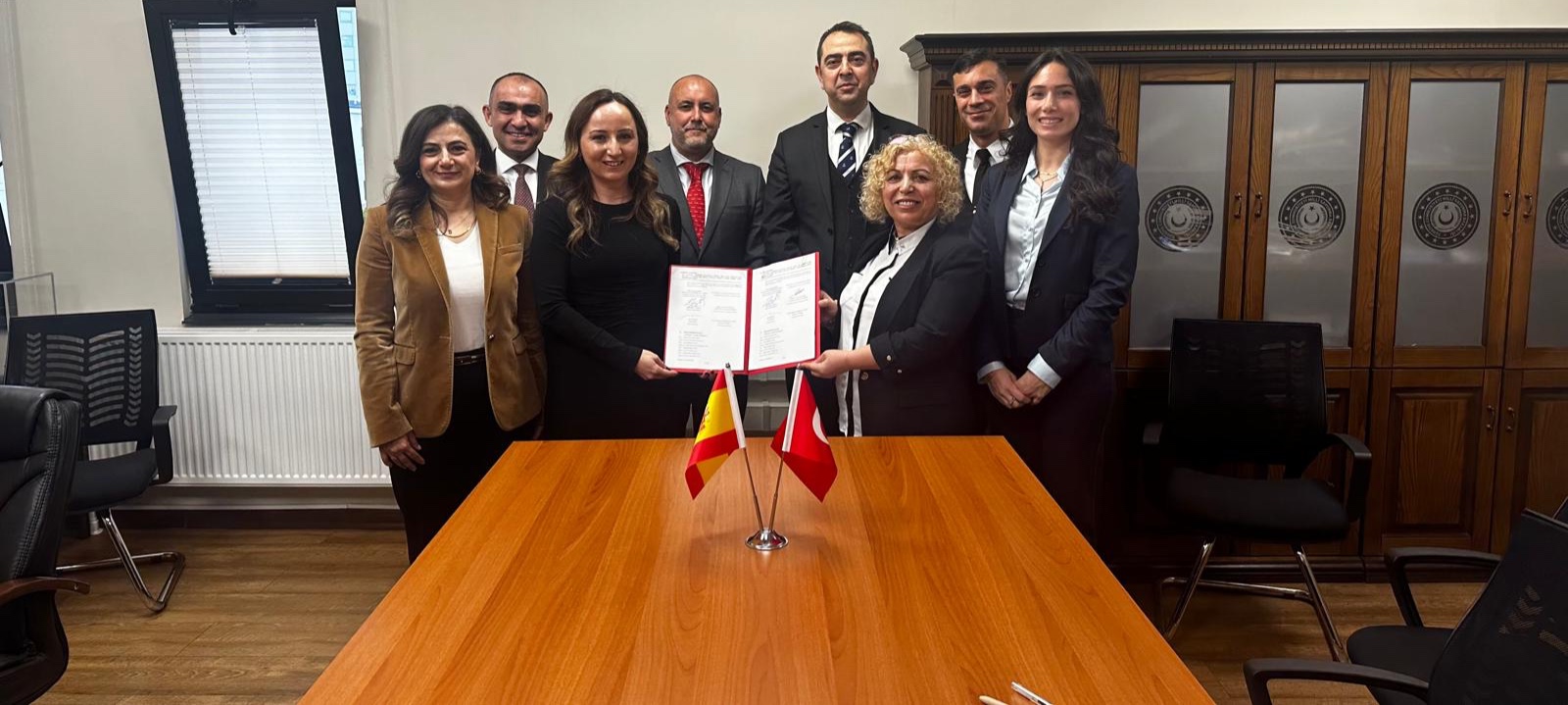
In this context, the 8th Pak-Turk Joint Working Group Meeting, a semi-annual summit involving multiple top ministries as well as state-owned and private enterprises from both countries, was held in January 2025 at Pakistan’s National Aerospace Science and Technology Park (NASTP). According to Pakistani and Turkish media outlets during the Meeting, organized by the SSB of Türkiye and NASTP, the possibility of jointly designing and producing a helicopter and the potential sale of the KAAN 5th Generation Fighters to Pakistan were also discussed. A total of 32 Turkish companies and institutions attended the Meeting, where Pakistan was represented by 23 companies. The Pak-Turk Joint Working Group Meeting has been held twice yearly since 2019, once in Türkiye and once in Pakistan. Meanwhile, according to sources, the 7th meeting of Türkiye-Pakistan High-Level Strategic Coopera¬tion Council (HLSCC) will be held in Islamabad, Pakistan in February 2025. During this meeting, which serves as the primary mechanism for steering bilateral cooperation and is co-chaired by Turkish President Recep Tayyip ERDOĞAN and Pakistani Prime Minister Shehbaz SHARIF, Türkiye and Pakistan will sign a Strategic Defense Partnership Agreement. The agreement would aim at strengthening Pakistani-Turkish military and defense cooperation to the maximum possible level. During the HLSCC meeting, which will also focus on strengthening defense and security collaboration between the two countries, Turkish and Pakistani officials are expected to discuss and agree on several major security and defense deals.
The growing defense cooperation between Türkiye and Pakistan enhances their strategic influence in their respective regions. For Pakistan, Türkiye’s support boosts its naval and air capabilities, critical for ensuring security in the Indian Ocean Region (IOR). For Türkiye, cooperation with Pakistan strengthens its defense export potential and aligns with its aim of becoming a key global player in defense technology.
Turkish Defense & Aerospace Industry and Türkiye-Pakistan Defense Deals
As a result of policies implemented by the Türkiye’s defense and security procurement agency Secretariat of Defense Industries (SSB), over the last two decades aimed at boosting local defense industry and improving self-sufficiency in defense system procurements, Turkish Defense and Aerospace Industry has reached a high degree of self-sufficiency. According to SSB figures, Türkiye’s domestic industry has reached such a level of capability that it can nowadays meet over 80% of the military system requirements of the Turkish Armed Forces (TAF).
Exporting over 300 different defense industry products to 180 countries (in 2024, 230 products to 185 countries in 2023) around the world Türkiye is targeting to become a top 6 country in the world in terms of defense and aerospace exports. Today, the Turkish Defense and Aerospace Industry has become one of the sectors that make the highest contribution to the Turkish economy, with an annual revenue of over $15 Billion, exports amounting to $7.154 Billion (in 2024, according to SSB Haluk GÖRGÜN total value of export conntracts awarded in 2023 and 2024 is over $20 Billion), and R&D investments exceeding $2,622 Billion as well as with more than 3,500 companies (1,600 of which performs exports) and over 90,000 employees. Developed with remarkable progress in many areas during the last two decades Turkish Defense & Aerospace Industry nowadays can compete in the international arena and can meet the majority of both the Turkish Armed & Security Forces as well as its international customers’ requirements.
According to the Stockholm International Peace Research Institute (SIPRI) report publicized in March 2024, Türkiye’s share in global arms export market increased from 0.7% to 1.6% in the period between 2019 and 2023 compared to 2014 to 2018, correlating to a 106% surge and Türkiye ranked 11th largest exporter in the world during 2019-2023, following the United States, France, Russia, Italy, South Korea, China, Germany, the United Kingdom, Spain, and Israel. The main recipients of Türkiye’s arms exports were the United Arab Emirates (UAE), Qatar and Pakistan. The UAE’s share in Türkiye’s arms exports was 15%, Qatar’s was 13% and Pakistan’s was 11%.
The Turkish Defense & Aerospace Industry is vast and competent, and as such, it offers the Pakistan Armed Forces many possible areas of armament acquisition and development. During last two decades Turkish Defense & Aerospace Sector companies have secured several export contracts valued over US$3 Billion from Pakistan, including; under a US$75 Million contract awarded by Pakistan MoD, TUSAŞ successfully upgraded Pakistan Air Force (PAF)’s 41 F-16C/D Block 15 fighters during October 2009 – September 2014 within the scope of the Peace Drive II Program, established by HAVELSAN under a US$20+ Million turn-key contract the Electronic Warfare Test and Training Range (EWT&TR/EHTES) was inducted into Pakistan Air Force (PAF) service in January 2011, ASELSAN secured a US$204 Million valued technology and know-how transfer contract for Software Defined Radios (on June 30, 2010), STM signed a contract worth US$80 Million for the construction and delivery of Pakistan Navy Fleet Replenishment & Combat Support Ship PNS Moawin (AOE-39) (January 22, 2013), STM also secured a US$350 Million deal for the Mid-Life Upgrade of Khalid Class Agosta 90B Submarines (June 22, 2016), ASELSAN secured US$25 Million (first batch, in June 2016) and US$24.9 Million (second batch, in May 2017) deals respectively for the procurement of 16 + 16 ASELPOD EO/IR Targeting Systems (PAF is the launch export customer of the ASELPOD), and ASFAT signed around US$1.5 Billion contract for the PN-MİLGEM Program (in September 2018).
During last 5 years a number of undisclosed valued contracts also signed between the Turkish defense firms and Pakistan MoD and Pakistani end users including the undisclosed valued contracts for the deliveries of BAYKAR Technology’s BAYRAKTAR TB2 and AKINCI UCAVs and STM’s ACMI Pods for the Pakistan Air Force (PAF) as well as ASELSAN's MUHAFIZ 30mm Remote Controlled Stabilized Naval Gun System, ALPER LPI Radars and ARES-2NCL Extended Integrated Radar and Communication Electronic Support Measures (R-ED/C-ED) Systems for YARMOOK Class OPVs and ALPER-210-N (ALPER-PS) LPI Radar for the Agosta 90B Class Submarines of the Pakistan Navy (PN), two High-Resolution Satellite Cameras (TÜBİTAK Space) with a resolution of ≤50cm and for the establishment of a highly automated turnkey production line for 155mm artillery rounds, as well as an explosive filling line in Pakistan, capable of producing 120,000 units per year by REPKON. Türkiye, on the other hand, is procuring 52 MFI-395 Super Mushshak trainers to meet the Primary Flight Trainer aircraft requirement of the Turkish Air Force (TurAF). First batch of 3 Super Mushshak trainers have been inducted into Turkish Air Force (TurAF) service in October 2022.
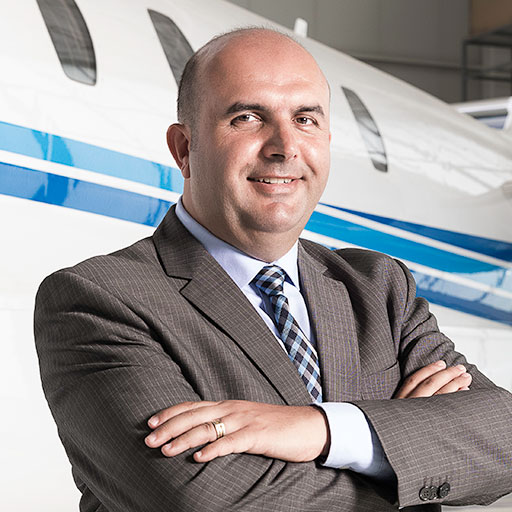
According to the Stockholm International Peace Research Institute (SIPRI)’s Trade Register, Pakistan ordered three Bayraktar TB-2 Armed UAVs from Türkiye in 2021 and received them in 2022. Under a contract disclosed by Haluk BAYRAKTAR, General Manager of BAYKAR TECH, in a statement to Anadolu Agency reporter in January 2022 Pakistan Air Force (PAF) acquired a large number of BAYRAKTAR TB2 and AKINCI (PAF is likely the first export customer, in AKINCI-B configuration with 2x 750 horsepower engines) Armed UAVs from Türkiye. Pakistan is believed to have received the first batch of 6-7 AKINCI UCAVs during the first half of 2023. According to sources AKINCI (Raider) high-altitude, long-endurance Armed UAVs are fitted with HENSOLDT's ARGOS II FLIR and Prec ISR GaN AESA Radar. In October 2022, a group of 44 personnel from the Pakistan Air Force participated in an extensive training program in Türkiye. They attended the sixth edition of the AKINCI Training Program conducted at BAYKAR TECH's facilities in Çorlu. On October 19, 2022 the Pakistan Air Force’s (PAF’s) Public Relations Department released a video featuring various aircraft and weapon systems within the PAF’s fleet, including the AKINCI UCAV. During our exclusive interview held in late November 2022 the then Chief of the Naval Staff (CNS) of the Pakistan Navy, Admiral Muhammad Amjad Khan NIAZI disclosed that PN procurement and R&D efforts were being steered to induct additional unmanned systems to achieve cost-effective Maritime Domain Awareness in their AoI (Areas of Influence). “In this regard, M/s BAYRAKTAR is also currently being engaged and BAYRAKTAR TB2 UCAVs is being evaluated for induction into the PN”, Admiral NIAZI added. Meanwile, in August 2023, Pakistan inaugurated the National Aerospace Science and Technology Park (NASTP) as a hub for innovation in aerospace and defense technologies. Among its significant milestones is the collaboration agreement with BAYKAR TECH, a prominent Turkish Armed UAV and UCAV producer. This collaboration not only strengthens the bilateral defense ties between Türkiye and Pakistan but also positions NASTP as a platform for groundbreaking advancements. It lays the groundwork for future joint ventures in cutting-edge technologies, including unmanned aerial systems (UAS) and other innovative aerospace solutions.
In March 2022 Turkish defense company SDT Space and Defense Technologies Inc. signed a contract with the Pakistan Air Force (PAF) to deliver undisclosed number of ACMI (Air Combat Maneuvering Instrumentation) Pods for realistic tactical simulations and training with PAF’s JF-17 and F-16 fighter jets. Contract became effective in June 2022, the Critical Design Review and Project Review Meeting was held in Ankara and initial flight tests were carried out in April in May 2023 in Pakistan and Türkiye respectively. PAF can deploy ACMI Pod on AKINCI Armed UAVs in addition to F-16s and JF-17s.
Meanwhile, according to TÜBİTAK 2022 Annual Report, within the scope of the contract signed between TÜBİTAK Space and SUPARCO (Space and Upper Atmosphere Research Commission) of Pakistan on January 26, 2022 under the IQBAL Project, a High-Resolution Satellite Camera with a resolution of ≤50 cm and Image Processing Software will be developed with the participation of SUPARCO personnel. In April 2023 the then TÜBİTAK President Prof. Dr. Hasan MANDAL disclosed that TÜBİTAK will supply high-resolution EO satellite cameras to a friendly country and added, “We are producing 2 İMECE cameras for a friendly and allied country (referring to Pakistan). Again, we participated in the tender to produce a satellite for a friendly country. The preliminary stages are over, we are shortlisted.” The PRSC-EO1 Earth Observation Satellite of Pakistan is fitted with TÜBİTAK Space’s high-resolution EO satellite camera was successfully delivered into its designated orbit on Long March 2D Satellite Launch Vehicle (SLV) on January 17, 2025 from Jiuquan Satellite Launch Center in the Gobi Desert. The PRSC-EO1 is the first of a series of three optical remote sensing satellites for Pakistan, which will join the country’s existing remote sensing satellites, PRSS-1 and PakTES-1A, in orbit. These EO satellites will provide data for the fields of land mapping, agriculture classification and assessment, urban and rural planning, environmental monitoring, natural disaster monitoring and management, surveying, natural resources protection and others uses, according to SUPARCO. In January 2022, SUPARCO also signed an agreement with TUSAŞ to jointly develop satellites as well as other space projects, including a joint spaceport in Pakistan.
On the other hand, Pakistan has been also invited by Türkiye to participate in TurAF’s 5th Generation National Combat Aircraft (KAAN TF-X) Program. In an interview dated August 21, 2016 at the state-owned television network PTV, then Pakistan’s Minister of Defense Production (MoDP) Rana Tanveer HUSSAIN revealed that Türkiye had invited Pakistan to participate in the development of its next-generation fighter program. TUSAŞ is currently working with around 100 engineers as part of the MMU/TF-X Program at the Pakistan Office established in Islamabad. These Pakistani engineers, who are TUSAŞ employees, are led by a highly experienced engineer of Pakistani origin who previously worked at Lockheed Martin.
The Secretariat of Defense Industries (SSB), has long supported national participation in defense fairs both in the MENA and ASEAN regions, which have been selected at that time as priority target areas for the export of Turkish defense products, to raise awareness of the capabilities of the Turkish Defense and Aerospace Industry. In this context, Turkish Defense and Aerospace Industry companies have been participating nationally in International Defense Exhibition and Seminar (IDEAS) held in Pakistan’s commercial capital Karachi. With a contingent of around 30 companies, Türkiye had the largest representation in the biannual four-day fair IDEAS 2024 held in November 2024.
Pakistan Defense Industry & Pakistani-Turkish Defense Industrial Relationship
The defense industry of Pakistan has come a long way from dependency to desired self-reliance through enhanced capabilities, improved facilities and upgraded technologies. Through concerted efforts, today these industries have grown into well-established entities and have developed the potential for exporting defense equipment to international markets. This export potential holds key to Pakistan’s mutually rewarding relations with international fraternity for maintaining global peace and security.
Pakistani-Turkish relations have expanded exponentially over the years and the defense industries of Pakistan and Türkiye have been working together for more than two decades. The countries will consolidate their work and look ahead to new fields, including communication equipment, electronic warfare, unmanned aerial vehicles and advanced fighters.
Pakistan’s relationship with Turkish defense companies is robust. During last three decades Turkish defense firms such as ASELSAN, TUSAŞ, STM, METEKSAN SAVUNMA have established business ties with Pakistan’s NRTC, Pakistan Aeronautical Complex (PAC), Karachi Shipyard & Engineering Works (KS&EW) and Pakistani state owned conglomerate Global Industrial & Defense Solutions (GIDS) under different defense programs.
ASELSAN and Pakistan's NRTC have been partners for more than three decades. ASELSAN realized the first defense electronics export to Pakistan in 1989. Under the contract, PRC/VRC 4600 series combat area tactical radios were manufactured in the NRTC facilities in Pakistan under an ASELSAN license. In the late 1990s, under a separate contract ASELSAN’s PRC/VRC 9600 series frequency hopping radios were produced again in NTRC’s facilities under license; and ASELSAN also realized the first export of PRC/VRC-9661 series software defined radios to Pakistan under a US$204 Million contract awarded on June 30, 2010. The first party radio sets were delivered to Pakistan in 2011. During IDEF ‘23 Fair TUSAŞ and GIDS signed an agreement regarding Wind Tunnel Testing facilities. GIDS will provide Pakistan’s expertise to TUSAŞ. Pakistan has several wind tunnels including both Subsonic and Supersonic wind tunnel testing facilities. GIDS also showcased a scale model of the wind tunnel during IDEF ‘23 at its stand. TUSAŞ and GIDS have been cooperating in the field of wind tunnel testing since 2019, when the first contract was inked.
So, the cooperation between Pakistan and Türkiye in the defense industry is excellent, reflecting their deep-rooted strategic partnership and shared goals. And all the existing projects indicate significant potential for further cooperation. Both nations have a history of working together to enhance their defense capabilities through joint ventures, technology transfer, and collaboration in research and development.
Pakistan would welcome further involvement from Türkiye now that it has made substantial progress in the defense industry. It would be beneficial for Türkiye to establish joint ventures (JVs) in Pakistan to tap into the particular market and make use of the low-cost labor available in Pakistan. Pakistan MoD is ready to facilitate any such arrangement if the need ever arises. Türkiye is more than welcome to make any kind of investment in Pakistan's defense industry. Any investment of Türkiye in Pakistan's defense industry will be welcomed.
Pakistan is open to collaboration in every field. However, the Pakistani side primarily aims to consolidate the areas where there is already strong cooperation between the defense industry sectors of the two countries and where there is room for further expansion. Shipbuilding and ship design, including submarine design, are areas where Pakistan is already working very well with STM and ASFAT. Türkiye and Pakistan are also working together on small arms. Regarding small arms, Pakistan Ministry of Defense Production has already received inquiries from some Turkish companies about establishing joint production facilities in Pakistan. Naturally, if they establish a joint production facility in Pakistan and it makes sense for them, it will not only serve the Pakistan market but could also cater to third countries. Communication equipment, electronic warfare, electronic countermeasures and Unmanned Aerial Vehicles, both combat and non-combat (surveillance) versions are other industries where Pakistan would like to see more cooperation between the brotherly two countries. Unmanned Vehicles are becoming increasingly relevant on the modern battlefield. The demand for such vehicles is growing, and there are a lot of potential for joint development, design, and manufacturing with Pakistan, that thrilled to see a local design capability working jointly with Turkish counterparts. That is indeed the way forward.
So, I believe there is a vast scope for working together on these projects. Additionally, I see no barriers to collaboration in areas where no third party is involved. Türkiye, as a brotherly nation has already offered its technologies and facilities to Pakistan, and the same already applied to us. The only requirement is that we make a solid business case for joint collaboration to achieve the best outcomes for both countries.
Relations Between the Pakistan and Turkish Navies & PN’s Naval Programs Carried Out by Turkish Firms
Relations between the Pakistan (PN) and Turkish Navies (TN) have nurtured in a climate of trust and mutual understanding. Besides frequent exchange visits at all levels, both Navies are actively collaborating through a broad range of professional interactions. PN-TN Expert Level Staff Talks have been conducted regularly since 2018, which remain a major platform to further expand the scope of cooperation between the two navies. The PN and TN regularly participate in each other’s multilateral exercises AMAN and MAVİ BALİNA. Moreover, the PN-TN bilateral exercise TURGUTREİS is also a regular-feature that continues to enhance interoperability between the two brotherly Navies. In terms of training, PN-TN collaboration has existed since 1987 in which officers and personnel frequently have undergone and continue to conduct exchange visits and training courses.
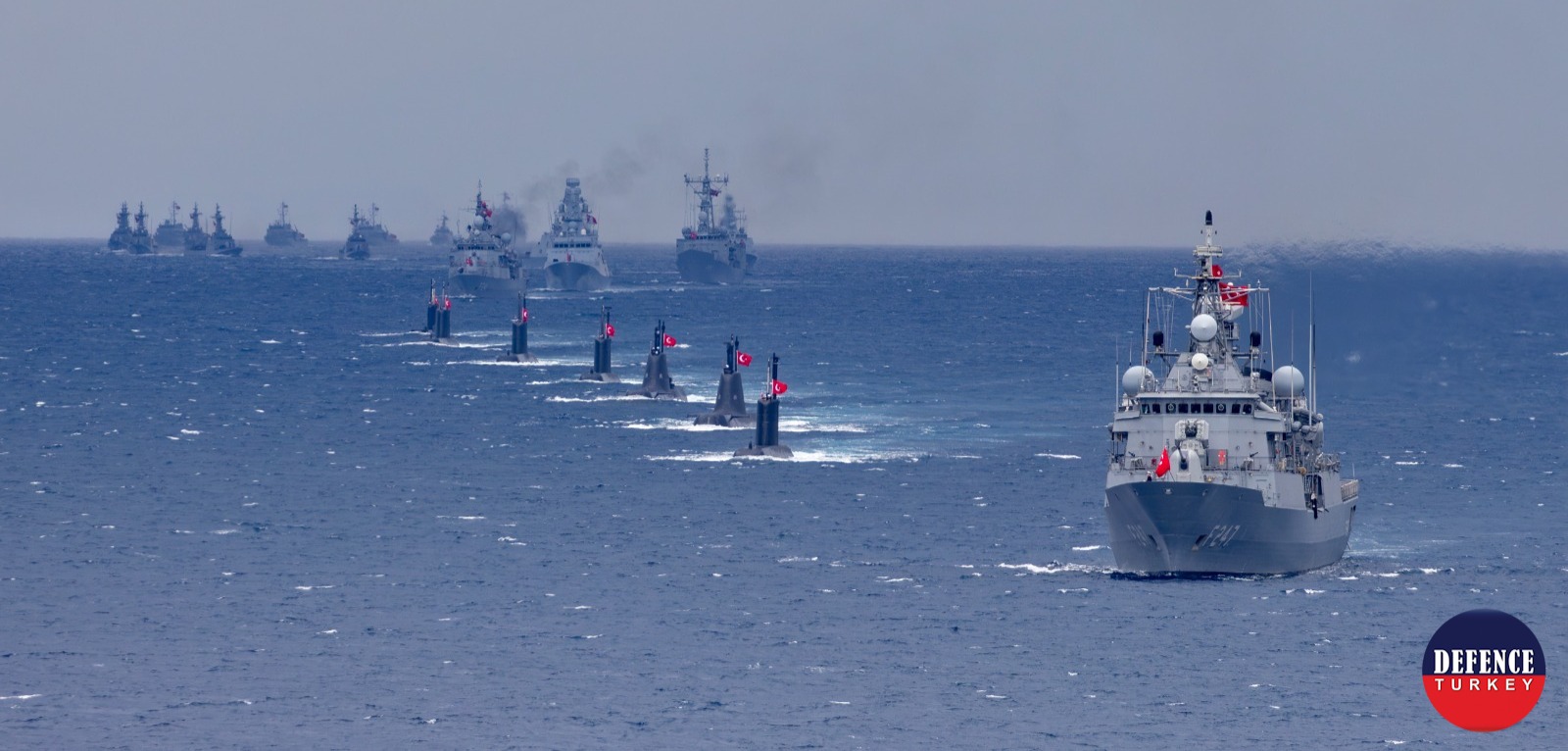
In December 2024, Pakistan Navy ATR-72/500 Maritime Patrol Aircraft (MPA, also known as RAS 72 Sea Eagle) from the 29 Anti-Submarine Warfare Squadron participated in Exercise MAVİ BALİNA-2024, a Turkish Navy-led multinational Anti-Submarine Warfare (ASW) exercise at Dalaman, Türkiye. Involved over 30 platforms including ships, submarines, aircraft, and UAVs, the MAVİ BALİNA-2024 exercise was conducted in the Eastern Mediterranean and aimed at practicing submarine operations and ASW procedures. Naval and air force assets from Türkiye, NATO, the USA, Pakistan, Greece, while Special Operations Forces (SOF) teams from Türkiye and Azerbaijan also participated in this multilateral exercise.
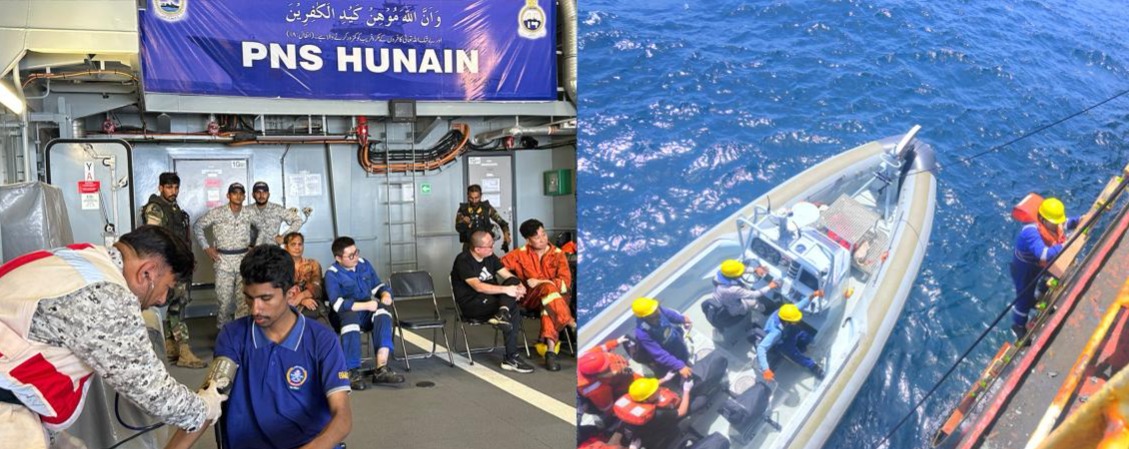
Meanwhile Pakistan Navy’s Yarmook Class Batch-II Offshore Patrol Vessel (OPV, based on the Damen OPV 2600 design) PNS YAMAMA, which commissioned on December 18, 2024 in Constanta, Romania made port calls at Gölcük and Aksaz Naval Bases of the Turkish Navy during its maiden voyage to Pakistan. During her port calls at Gölcük and Aksaz Naval Bases, PNS YAMAMA (F-274) OPV was warmly welcomed by representatives of the Turkish Naval Forces and the Pakistani Naval Attaché. Within the scope of her visit PNS YAMAMA actively participated in the Turkish Navy's large-scale MAVİ VATAN-2025 Exercise, as the sole foreign participant alongside Turkish Naval Ships. Held in the Black Sea, Aegean Sea and Mediterranean between January 7-16, Mavi Vatan 2025 Exercise involved more than 70 surface ships, as well as submarines, fighter jets and helicopters, uncrewed aerial vehicles (UAVs) and uncrewed surface vessels (UAVs). PNS YAMAMA (F-274) also took part in PN-TN bilateral exercise TURGUTREİS-11, which was conducted in the eastern Mediterranean on January 11, 2025. During TURGUTREİS-11 Exercise PNS YAMAMA carried out navigation and seamanship training with TCG DERYA Replenishment at Sea and Combat Support Ship (DIMDEG), which holds the distinction of being the second-largest ship in the Turkish Navy fleet, and TCG BÜYÜKADA Corvette. The first Yarmook Class Batch-II OPV, PNS Hunain (F-273) was inducted into to PN fleet on September 6, 2024 with a graceful ceremony held at PN Dockyard in Karachi.
The Navies of both countries are extensively involved in broad-based engagements, ranging from high level visits, operational engagements to collaboration in the training domain. Recognizing that Turkish naval companies are on par with leading firms in the European defense industry, the Pakistan Navy (PN) has engaged various Turkish companies over the past decade for the upgrade and modernization of its fleet units. This cooperation has played a pivotal role in fostering a robust defense industrial and military partnership between Pakistan and Türkiye, especially in the naval sector. With the induction of Turkish-origin platforms into the Pakistan Navy's inventory, such as PNS Moawin (AOE-39) Fleet Replenishment & Combat Support Ship and the MİLGEM Class Corvettes, I anticipate that interactions between the two navies will increase in the future. This will focus on enhancing interoperability and fostering closer collaboration between the naval forces of Pakistan and Türkiye. As pointed out by the Chief of the Naval Staff (CNS) of the Pakistan Navy, Admiral Naveed ASHRAF, Türkiye has played a pivotal role in modernization of Pakistan's Naval Industry. The strategic partnership has significantly enhanced Pakistan Navy's capabilities, enabling it to better defend its maritime interests. The most notable examples of this cooperation are PNS Moawin (AOE-39) Fleet Replenishment & Combat Support Ship, MİLGEM Project, which is a testimony to the enhanced naval cooperation between two brotherly countries, and Mid-Life Upgrade (MLU) of KHALID Class Submarines (S/Ms). Apart from these three major naval platforms projects of the PN, Pakistan-Türkiye cooperation in the naval field also encompasses a wide spectrum of machinery equipment and weapons & sensors.
PNS Moawin Fleet Replenishment & Combat Support Ship
Designed by Delta Marine under the project carried out by STM as the Main Contractor, the Fleet Replenishment & Combat Support Ship PNS Moawin (AOE-39) with an overall length of 158m and a displacement of 16,400 tons was constructed at KSEW (Karachi Shipyard and Engineering Works) Shipyard adjacent to PN Dockyard in Karachi Port and commissioned by Pakistan Navy (PN) on October 16, 2018.
Outfitted with an indigenous radio communication system and data link system (Link Green), the vessel can carry ship and aircraft fuel over 8,000 tons, fresh water, and ammunition. According to the PNS Moawin’s ship designer Delta Marine, the 15,600-ton vessel (16,400 full-load) can carry up to 8,650 tons of F-76 fuel, 210 tons of JP-5 fuel, 1,050 tons of fresh water and dry cargo of up to 650 tons. It has a ferry range of 10,000 nautical miles at a speed of 15 knots.
Equipped with MilSoft’s Pakistan Navy Information Exchange System (NIXS), the PNS Moawin, if required, can also serve as a Command Ship thanks to her advanced Combat Management System (CMS) capability. PNS Moawin can support two maritime helicopters (one WS-61 SeaKing Mk45 and one Z-9EC) and can equip them with guided anti-ship missiles (2 x AM39 Exocet) and light torpedoes (4 x Mk46) for both Anti-Submarine Warfare (ASW) and Anti-Surface Warfare (ASUW) missions. The vessel can reach a maximum speed of 20 knots with two controllable-pitch propellers (CPP) powered by two diesel engines. The cruising speed of the ship is 15 knots.
PNS Moawin has 8 decks and can accommodate 250 to 300 personnel depending on the type of mission to be performed. Serving under Pakistan Navy Fleet's 9th Auxiliary & Mine Warfare Squadron, the ship will support Pakistan Navy's combat/auxiliary elements by transferring critical equipment such as fuel/water and ammunition at sea during operations with her Replenishment/Fuelling-at-sea Systems (RAS/FAS), thus increasing their operational capability. Equipped with a 20mm Mk15 Blok 1B Phalanx CIWS and two ASELSAN 12.7mm STAMP System for self-defense needs, PNS Moawin also outfitted with DR-3000 ESM (Electronic Support Measure) System. PNS Moawin is able to refuel and replenish ships at distances of 52m and 36m with her Replenishment/Fuelling at Sea (RAS/FAS) systems at the same time. PNS Moawin can perform refuelling operations in a much more efficient and easier way compared to the old supply ships. Thanks to PNS Moawin the replenishment time is reduced by one-third according to PN.
PNS Moawin has remained the backbone of the PN Fleet due her versatile roles including supply/support and medical assistance. The successful participation of PNS Moawin in all major exercises in and outside Pakistan despite challenging weather conditions reflects the operational readiness of the ship.
Agosta 90B Khalid Class Submarine MLU Project
The construction of the PNS Moawin Fleet Replenishment & Combat Support Ship has opened the door for future collaboration between Türkiye and Pakistan in the field of combat vessel construction, and the improvement of the other defense projects. In following to PN Fleet Tanker Project, STM won a contract for the comprehensive MLU of PN’s KHALID Class Agosta 90B diesel-electric/AIP attack submarines.
Since 1964, the Pakistan Navy has had a submarine fleet which currently consists of five conventional submarines that include three Agosta 90B (KHALID Class, 200kW MESMA AIP capable) Submarines and two Agosta 70B (HASHMAT Class) Submarines. KHALID Class Agosta 90Bs have been installed with an AIP system and are being upgraded in cooperation with Türkiye (STM Main Contractor).
The Agosta 90B submarines are in 76 meter long and weighs around 2,050 tons. They have range of 10,000 nautical miles and can remain at sea continuously for 60 days. They are equipped with SUBTICS (Submarine Tactical Integrated Combat System) CMS and are capable of firing SM-39 Exocet missile and DM2A4 HWTs.
On June 22, 2016, STM signed a contract with the Pakistani Ministry of Defense Production, surpassing French Shipyard DCNS (now Naval Group), the submarine manufacturer, in an international tender opened for the Mid-Life Upgrade (MLU) of Khalid Class Submarines ‘Agosta 90B’. The original contract covered only one submarine and includes an option for the MLU of the other two. Since then, three contract amendments were signed in June 2017, February 27, 2018, and March 2019 respectively for the provision of an additional two submarines and important subsystems from Turkish companies. The total value of the Program is estimated at $350 Million. The modernization work is being performed at the PN Dockyard (Pakistan Navy Shipyard) in Karachi, Pakistan by the Main Contractor STM.
The MLU of the first submarine, PNS/M HAMZA (S-139), was started in 2018 and it was launched (transferred from floating dock to the sea) in December 2019, following the completion of its outfitting. After the completion of Harbor Acceptance Tests (HAT) and the Sea Trials (Sea Acceptance Tests/SATs, including diving tests) that started in March 2020 in the Arabian Sea, PNS/M HAMZA Submarine was delivered to the PN on April 29, 2021. During the SeaSpark-2022 Exercise, the PNS/M Hamza Submarine (S-139), fired a DM2A4 Heavyweight Torpedo (HWT) against a decommissioned Type 21 (TARIQ Class) Destroyer, which sunk after its keel was broken and split into two by the 'blast' effect of the torpedo warhead. Instead of hitting the target ship’s hull, the DM2A4 HWT detonates at a certain depth a few meters below the ship and breaks the ship's keel into two with the pressure (called the "bubble effect") created by the warhead's explosion. The Pakistan Navy received the necessary training for DM2A4 Heavyweight Torpedoes at the Submarine Training Center Command at the Gölcük Naval Base in Türkiye. Due to the sinking of a decommissioned Type 21 Class destroyer (TARIQ Class), the exercise was recorded as the 3rd publicly known SINKEX of the Pakistan Navy.
Within the scope of the Agosta 90B MLU Project, which stands out as Türkiye’s first submarine modernization engineering export project involving strategic and high-tech systems, STM completed the modernization of the second submarine (PNS/M Khalid, S-137) in late 2024 and the PNS/M Khalid Submarine was inducted into Pakistan Navy service with a ceremony held at the PN Dockyard (Pakistan Navy Shipyard) in Karachi, Pakistan in January 2023. Sea Acceptance Tests (SAT) of the PNS/M Khalid (S-137) was launched in February 2022.
The MLU activities on the 3rd submarine of the project, PNS/M Saad (S-138), continue as of January 2025. The Agosta 90B MLU Program is progressing very successfully despite the restrictions imposed by France, the producer of the submarines and embargoes imposed by the German Government. Despite their restrictions, with the support of Turkish defense Industry, STM successfully continue the construction and modernization work by replacing many products with made-in-Türkiye products.
With the modernization, Agosta 90B/KHALID Class Submarines are equipped with a new generation Integrated Underwater Command Control System running on 6 Multifunction Common Consoles/MFCC (HAVELSAN SEDA Combat Management System and Submarine Information Distribution System), Sonar Suite with wet and dry ends including the Sonar Self-Noise Detection System (HAVELSAN ATLAS), Weapon Control System (HAVELSAN and a state-owned company in Pakistan), Electronic Warfare System (ASELSAN ARES-2SC/P), Navigation Radar (ASELSAN ALPER-PS Low-Probability of Intercept/LPI Radar), Electronic Chart Display and Information System/ECDIS (STMDENGİZ ECDIS), Periscope Systems (Hensoldt Optronics SERO 250 Navigation Periscope and OMS 200 Optronic Mast), Torpedo Counter Measure System/TCMS (ASELSAN ZARGANA, along with ZOKA Anti-Torpedo Acoustic Decoy Family comprising both stationary and self-propelled jammers and target emulator decoys), Rescue Buoy (modified by STM), 60Hz and 400Hz Static Frequency Converters, Auxiliary Cooling Water System for Multifunction Common Consoles/MFCC liquid cooling, and Steering Console (Raytheon Steering Station S56-PK).
According to Pakistan Navy the upgradation has met their expectations in terms of enhanced surveillance capability and combat readiness.
PN-MİLGEM Project, Symbol of Naval Cooperation Between Türkiye & Pakistan
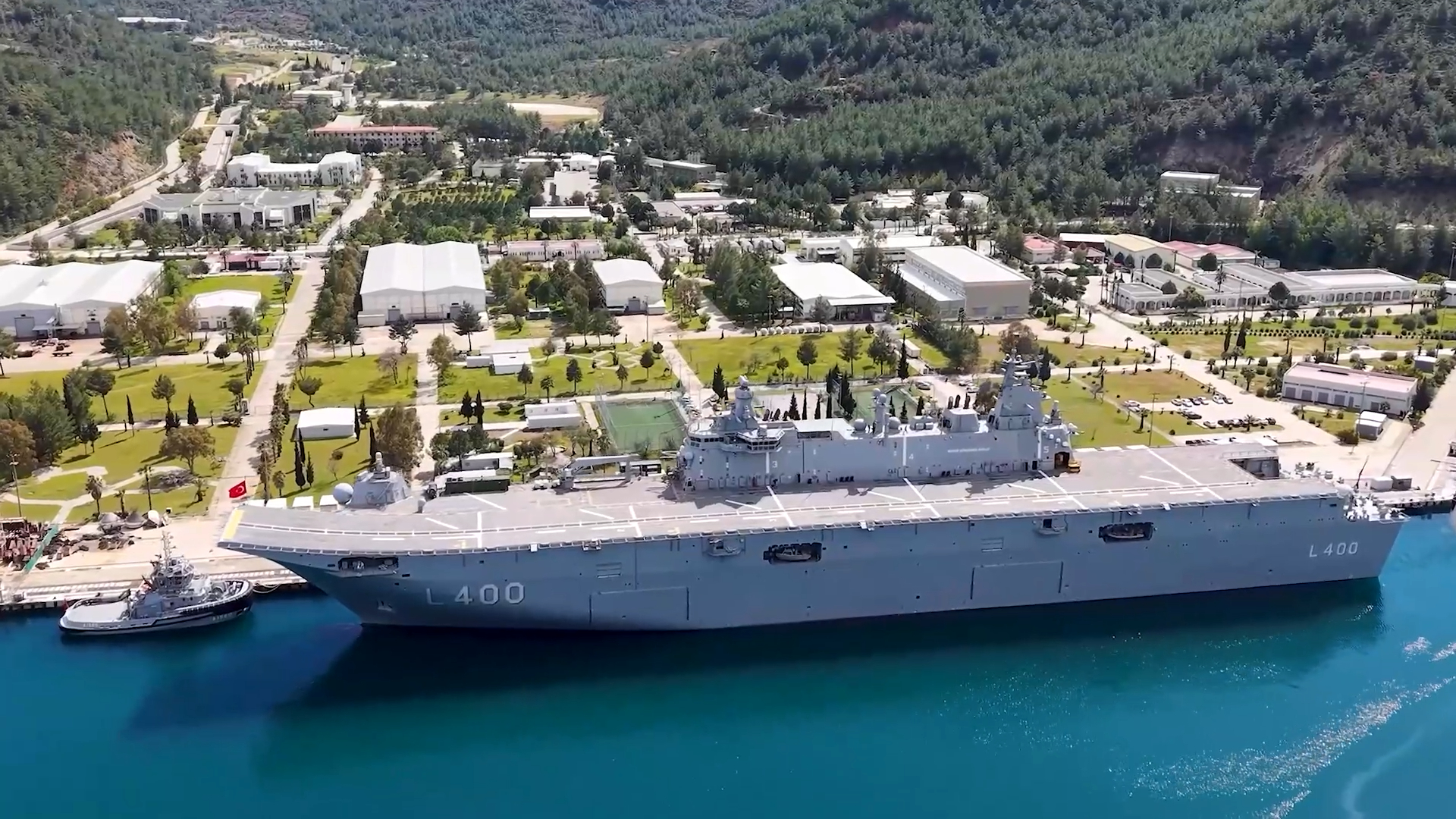
Türkiye is one of the few countries that can design and build the combat and support ships needed by the Naval Forces, and an important part of this capability is military and civilian shipyards. Istanbul Naval Shipyard Command, which built the TCG İstanbul Frigate (F-515), the 5th ship of the Turkish Navy’s MİLGEM Project, also undertook the responsibility of constructing two of the 4 BABUR Class Corvettes for friendly and brother Pakistan through ASFAT A.Ş. under the PN-MİLGEM Project.
Following the start of ‘To’ in March 2019, the steel cutting ceremony of the first ship of the project, PNS Babur (280) Corvette, was held in January 2020 and the launch was celebrated in August 2021 at Istanbul Naval Shipyard Command. PNS Babur (F-280) Corvette, was delivered to the Pakistan Navy with a ceremony held at the İstanbul Naval Shipyard Command on September 23, 2023. The launch of Badr (F-281) followed at Karachi Shipyard and Engineering Works (KS&EW) shipyard in Pakistan in May 2022, the third ship Khaibar (F-282) in November 2022 at İstanbul Naval Shipyard and the last-named Tariq (F-283) in August 2023 at KSEW. The second and third ships of the class are planned to be delivered in 2025 while the fourth will follow in 2026. Some of the weapons and systems on PN-MİLGEM Corvettes were supplied as Pakistan Government Furnished Equipment (GFE/DEMAM), while others are being developed and integrated in Türkiye.
PNS BABUR (F-280), the first corvette of the PN-MİLGEM Project, continued its training activities in Türkiye until May 2024, marking a significant achievement in the naval collaboration between Pakistan and Türkiye. During its training phase, the ship successfully executed a variety of operational drills, showcasing its advanced capabilities. In the week of April 15, 2024, PNS BABUR demonstrated exceptional performance by completing surface and air defense firing exercises, as well as land bombardment activities using its 76/62 mm Super Rapid bow gun. The corvette achieved precise surface and land bombardment results and further proved its operational readiness by shooting down an aerial target with the first shot, highlighting its accuracy and combat efficiency. The indigenously developed P-282 and Harbah surface-to-surface missiles (SSMs, in a dual triple-cell configuration), MBDA’s ALBATROS NG (CAMM-ER) surface-to-air guided missiles, and ASELSAN’s GÖKDENİZ Close-In Weapon System firing tests will be carried out in Pakistan.
On May 28, 2024, PNS BABUR embarked on its maiden voyage from İstanbul Naval Shipyard, heading toward Karachi, Pakistan. This milestone journey, which completed on June 26, 2024, symbolizes not only the operational readiness of the vessel but also the successful transfer of advanced naval technology and expertise under the PN-MİLGEM Project. Upon her arrival, an impressive reception ceremony was held at PN Dockyard. Pakistan Navy formally inducted PNS BABUR (F-280) Corvette on September 6, 2024 into its fleet on Defense and Matyrs Day. As the first ship of this collaborative project, PNS BABUR represents the strong strategic partnership between Pakistan and Türkiye. Its induction into the Pakistan Navy's fleet is a significant step forward in enhancing Pakistan's maritime security and operational capabilities in the Indian Ocean Region.
On July 5, 2018, Pakistan's Ministry of Defense Production (MoDP) signed a landmark agreement with Türkiye’s Military Factory and Shipyard Corporation (ASFAT A.Ş) for the procurement of four modified MİLGEM Class Corvettes (dubbed PN-MİLGEM) for the Pakistan Navy. The agreement, valued at approximately $1,5 billion, includes not only the acquisition of these advanced naval platforms but also the critical transfer of technology (ToT), training and Transfer of Intellectual Proprietary (ToIP) rights related to the ship’s design. As part of the project, as of December 2022, 157 Pakistani personnel have received on-the-job training at İstanbul Naval Shipyard Command. ASFAT is providing both theoretical and practical training sessions, including On-the-Job Training (OJT) programs. If we also consider the design, system operation, and maintenance training sessions, within the scope of the PN-MILGEM Project over 3,000 Pakistani personnel will receive training both in Istanbul naval Shipyard and at KS&EW shipyard in Pakistan. Meanwhile, PN design teams, who took part in PN-MİLGEM design efforts in İstanbul, Türkiye together with the Turkish naval ship designers have also started to design a new ship, which is called the JINNAH Class Frigate (JCF). The scale model of JINNAH Class was displayed tor the first time during IDEF ‘21 Fair in August 2021 at ASFAT (Prime Contractor of PN-MİLGEM Program) stand.
Turkish Navy’s ADA Class Corvettes design has been used as a baseline for PN-MİLGEM/BABUR Class Corvettes. However, the combat system outfit for BABUR Class corvettes have been customized according to their intended employment role and threat perspective. Consequently, PN-MİLGEM has several differences in the weapons outfit, which has led to changed dimensions of the ship as well. PN-MİLGEM is almost 9m longer, half a meter wider and 590 tons heavier than ADA Class. However, the propulsion suite is the same as ADA Class for a top speed of 26+ Knots. The major difference in combat systems is the addition of ALBATROS NG SAM VLS, indigenous SSM (P-282 & Harbah) and torpedo system. PN-MİLGEM Corvettes are 108.2m long, 14.8m wide and have a displacement of 2,985 tons and are able to travel uninterruptedly for 30 days at sea from İstanbul to Karachi without refueling or replenishing. They have the capability to reach a maximum speed of 29 knots with two diesel engines and one gas turbine.
The PN-MİLGEM Project is a testimony of the Pakistan Navy's trust in the ever-growing Turkish Naval Shipbuilding industry. This project not only enhances the Pakistan Navy’s operational capabilities but also serves as a symbol of the deep-rooted defense collaboration between the two brotherly nations. With the PN-MİLGEM Corvettes, which are fitted with state-of-the-art weapons and sensors (including METEKSAN SAVUNMA’s YAKAMOS 2020 Advanced Hull Mounted Sonar System, ASELSAN’s ARES-2N(V)1.1 R-ED System, MBDA’s ALBATROS NG SAM System and P-282/Harbah SSMs), Pakistan Navy will acquire the best capability to respond to future challenges and maintain peace & stability and the balance of power in the Indian Ocean Region (IOR). The PN-MİLGEM Project would support the Pakistan Navy's initiative of securing the seas for international shipping by patrolling distant waters through Regional Maritime Security Patrol (RMSP). With their advanced sensors and weapons, BABUR Class Corvettes, when integrated as part of Pakistan Navy Task Groups, will be able to support a full spectrum of maritime operations and will enhance our ability to detect and respond to current and future maritime threats. Moreover 2 out of 4 x PN-MİLGEMs are being built in Pakistan, it would also provide a significant boost to the local warship building capability.
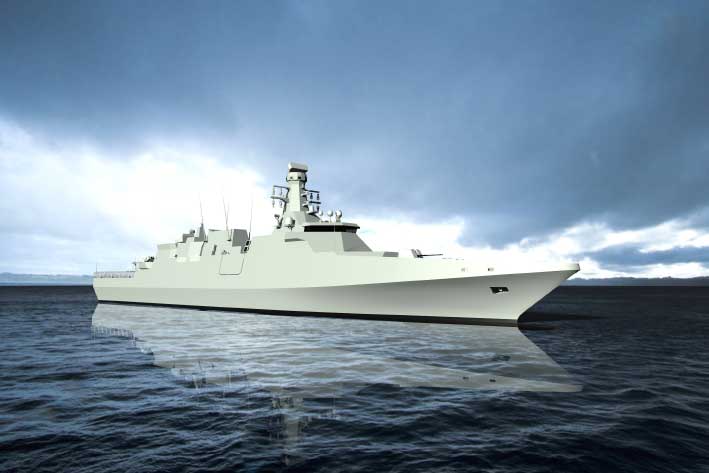
Once the PN-MİLGEM Program concludes, the PN will shift its focus towards the JINNAH Class Frigate Program, which is being developed through indigenous efforts of Pakistan in collaboration with ASFAT. As an offset of the PN-MİLGEM Project, collaborative design of JINNAH Class Frigate (JCF) is being undertaken by PN and Turkish Naval ship designers. The first three phases of the project have been successfully completed, while the Functional Design Phase is in progress. The project will be completed by the end of 2025. The JINNAH Class Frigates will have an increased length and displacement compared to the BABUR Class. The ship is being designed with CODAD propulsion (with 4 diesel engines) combination and will be equipped with state-of-the-art weapons and sensors, which will be a mix of indigenous equipment along with systems from friendly countries. The JINNAH Class Frigates will have a displacement of 3,300 tons, beam of 15m and a length of 119.45 m. The Pakistan Navy (PN) has not yet revealed the exact number of JINNAH Class Frigates it plans to acquire. However, reports suggest that Naval Headquarters (NHQ) may be considering a fleet of six frigates