International Anatolian Phoenix Exercise 2026 Successfully Concluded: Enhancing Multinational Personnel Recovery Capabilities in a Complex Operational Environment
Cem Doğut
The International Anatolian Phoenix 2026
Exercise was conducted between April 6 and 17, 2026, at the Anatolian Eagle
Training Center Command, hosted by the 3rd Main Jet Base Command, with the
participation of both national and international elements.
Since 2009, the Anatolian Phoenix Exercises
have been conducted at the 3rd Main Jet Base Command in Konya to train
Personnel Recovery (PR) Task Force elements in a realistic operational
environment and to enhance the level of experience required by both current and
future operational scenarios. Since 2012, the Exercise has been conducted with
international participation.
To date, a total of 365 aircraft and 8,795 personnel from 15 different countries have participated in the Anatolian Phoenix Exercises, during which 1,816 sorties have been carried out.
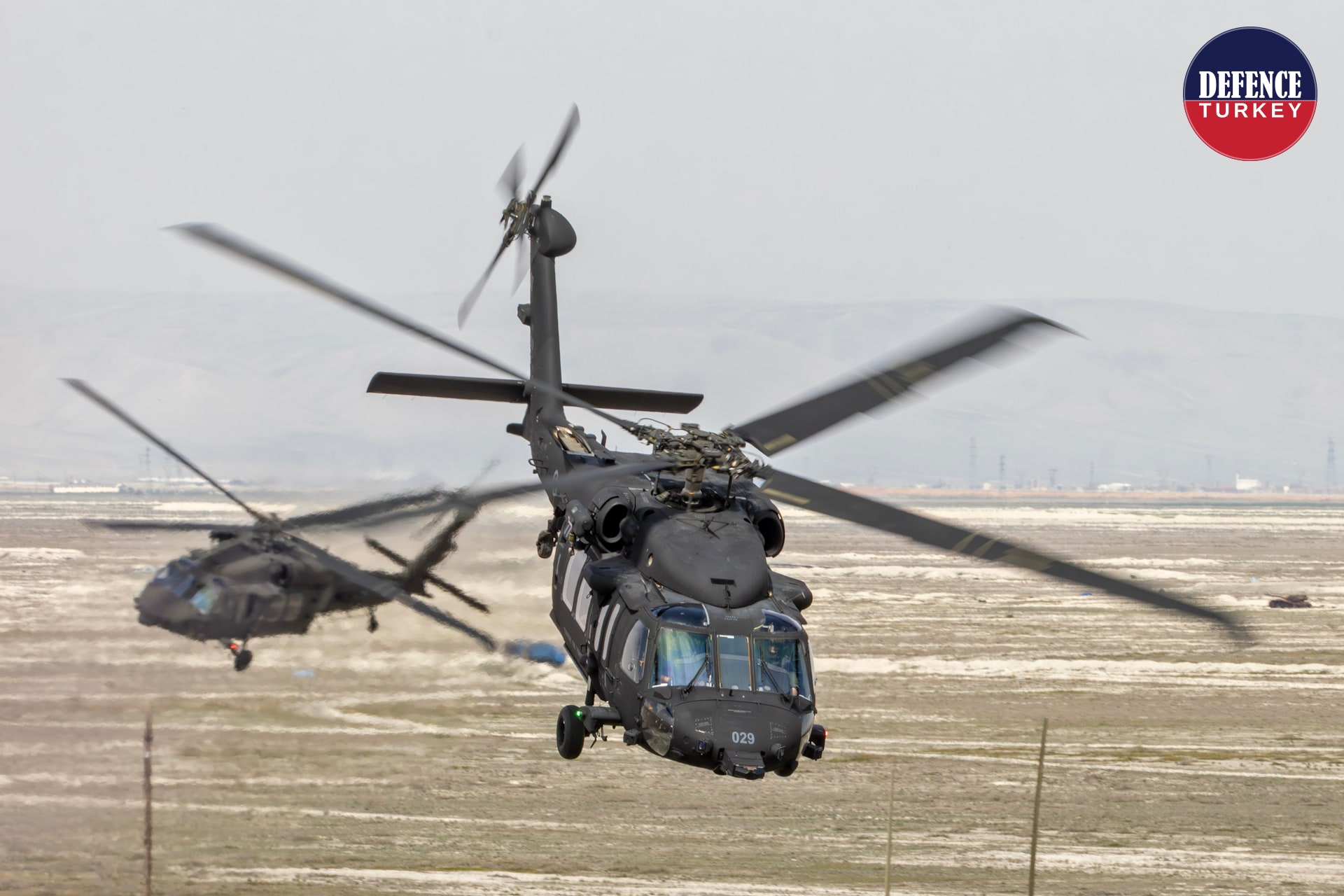
Anatolian Phoenix 2026
The
Distinguished Observer and Press Day of the exercise was held on April 14. The
program commenced with a briefing delivered by Colonel Hakan Girgin, Command of
the Personnel Recovery and Forward Air Controller (FAC) Group at the 3rd Main
Jet Base Command. Approximately fifty local and international media
representatives attended the briefing.
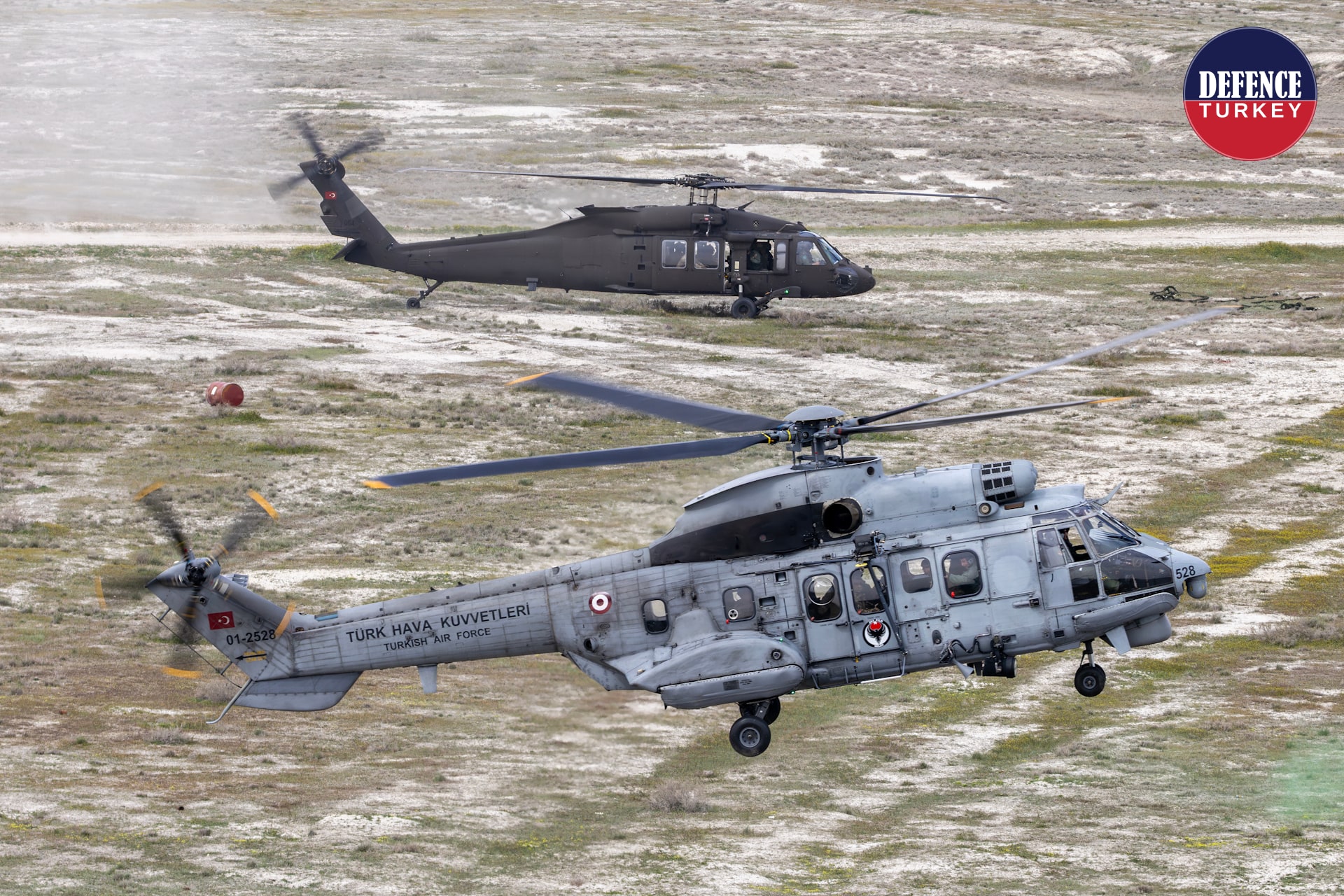
The International Anatolian Phoenix 2026 Exercise aims to test and further develop command and control processes within the scope of Personnel Recovery (PR) operations, while enhancing interoperability between PR Task Force elements, including helicopters, JTAC, PR, and CSAR teams, and other Air Force assets such as fighter aircraft, Airborne Early Warning and Control (AEW&C) platforms, transport/utility aircraft, and UAVs. In addition, the exercise seeks to improve Survival, Evasion, Resistance, and Escape (SERE) capabilities and to increase the overall training level of participating aircrew. Another key objective is to identify capability gaps and operational requirements related to Personnel Recovery missions, including doctrine, organization, training, material, leadership, personnel, and infrastructure. Within this framework, Joint and/or Combined missions such as Personnel Recovery (PR), Close Air Support (CAS), Dynamic Targeting (DT), and Time-Sensitive Targeting (TST) are executed to test new tactics, techniques, procedures, as well as weapons and equipment, while also assessing interoperability levels and cooperation opportunities with participating nations.
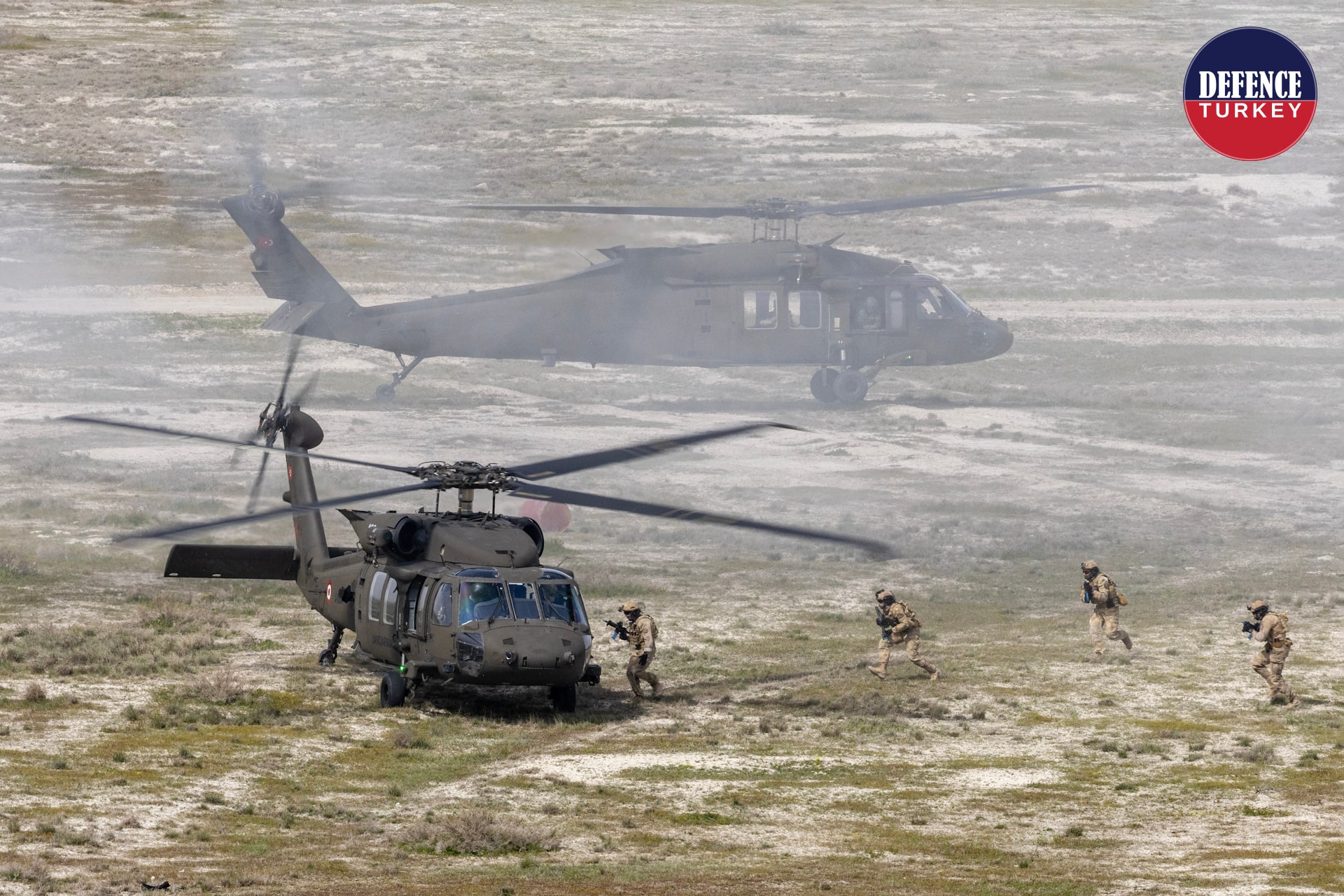
The exercise is conducted over a vast
training area, exceeding the airspace size of some countries. The western sector is predominantly
mountainous, with elevations ranging between 5,000 and 7,000 feet. This area is
primarily used for infiltration and exfiltration (Infil/Exfil) missions and is
suitable for parachute operations. Beyşehir Lake, also located in the western
sector, enables the simulation of air-sea rescue scenarios.
In contrast,
the eastern sector is largely flat, with an average elevation of approximately
4,000 feet, and is used to simulate desert-type operational environments. The
Electronic Warfare Training Center and the firing range are also located in
this area. Additionally, the Seydi area in the south features steep mountainous
terrain with deep valleys at altitudes exceeding 8,000 feet, providing a
suitable environment for high-altitude CSAR and CAS missions. All training
areas are located within a radius of approximately 70 nautical miles from the
main base.
The Konya Firing Range also hosts the EHTEM (Elektronik Harp Test Merkezi - Electronic Warfare Test Center), enabling the execution of missions under intense electronic warfare conditions and simulated enemy air defense threats. The systems used as representative enemy air defense threats include ZSU-23-4, SA-3, SA-6, SA-8, SA-11, SA-12, Skyguard, and MTS (Multiband Threat Simulator) for pop-up threats. In addition, the KORAL Ground-Based Stand-Off Jammer System (produced by Aselsan) is employed to simulate electronic warfare effects, allowing the jamming of adversary aircraft radars and air defense systems.
Distinguished
Observer Day Scenario
As part of
the exercise scenario, tensions between the Blue Country and the Red Country
escalate, with intelligence reports indicating that the Red Country has
deployed air defense systems and terrorist organization elements to the LTD-9
firing range area. In response, the Blue Country initiates an operation after
completing the necessary preparations against the emerging threat.
At the initial stage of the operation, a cyber campaign is conducted against the Red Country. As part of this effort, a deceptive broadcast attributed to the Red Country’s president announces a ceasefire, an apology to the Blue Country, and the disarmament of all elements, including the termination of support to terrorist organizations.
Following this phase, JTAC teams were infiltrated into the operational area. The radar of the SA-12 (S-300) air defense system (identified as the most significant threat in the region) is detected and neutralized using METE missiles launched from both ground elements and UAVs. However, as the exact locations of the launcher units could not be determined, an AKSUNGUR UAV equipped with Super ŞİMŞEK was deployed. Launched from outside the engagement envelope of the SA-12 system, Super ŞİMŞEK simulates a fighter aircraft, triggering the system to lock on and engage. This allowed JTAC teams on the ground, in coordination with the AEW&C aircraft, to locate the precise coordinates of the air defense system.
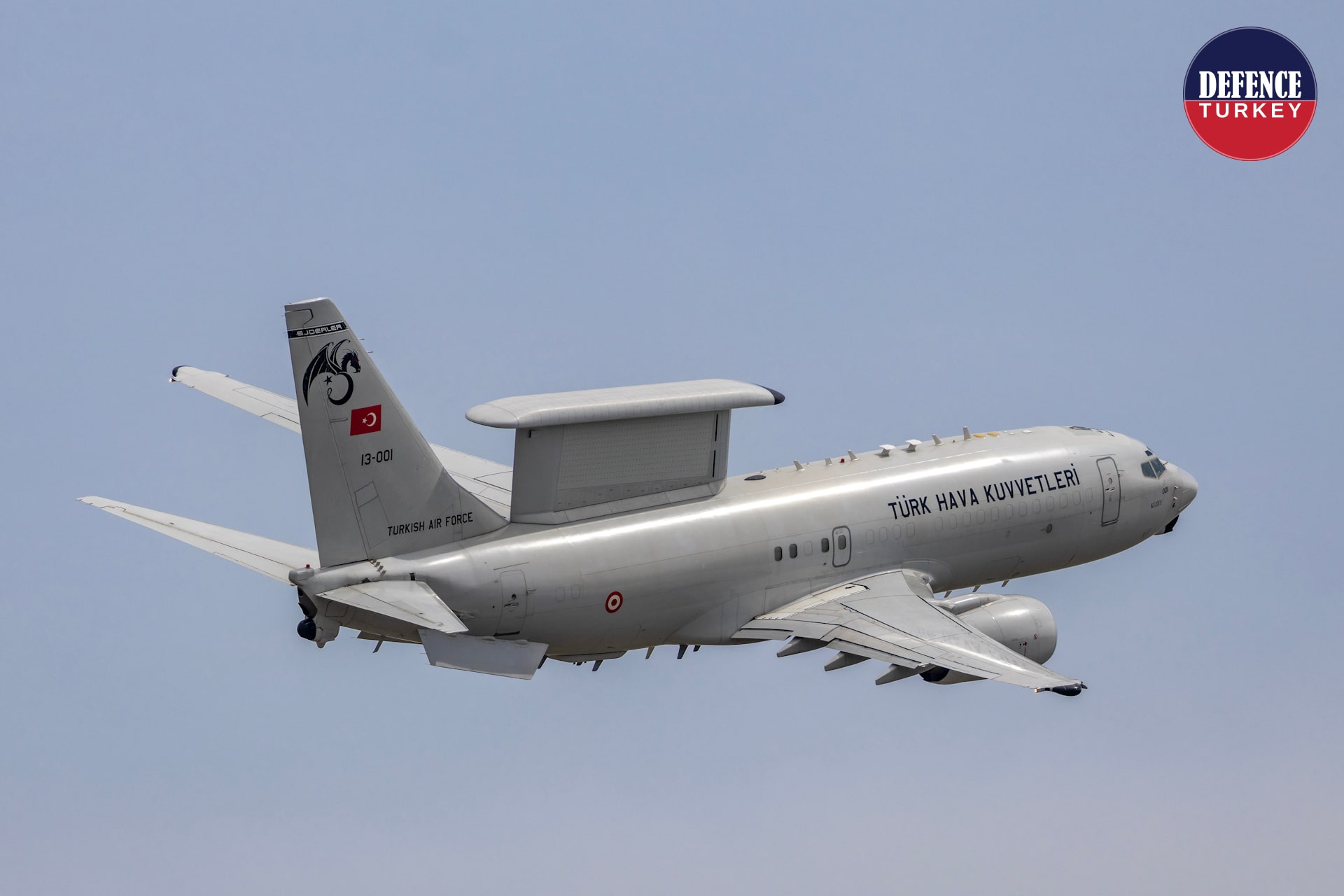
In addition,
the presence of SA-8 and ZSU-23-4 SHILKA air defense systems in the area were
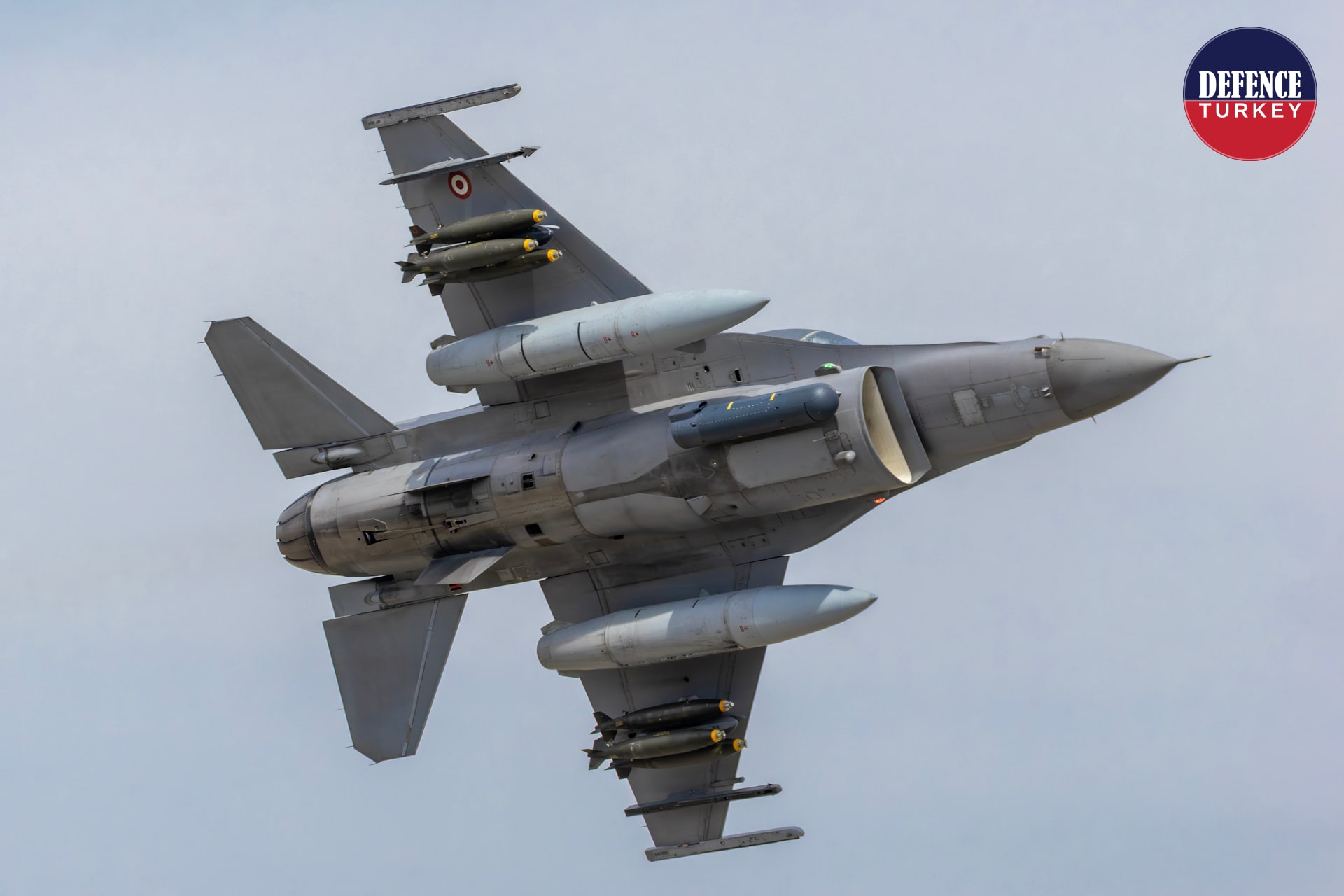
identified. The corresponding target coordinates were transmitted to F-16
formations conducting Combat Air Patrol (CAP) missions in the safe zone, as
well as to UAV elements. Initially, F-16 aircraft engaged the SA-12 system from
a distance of 90 nautical miles using MK-82 munitions (simulating SOM stand-off
missiles) and successfully neutralized the system. With the air defense threat
partially suppressed, an AKINCI UAV subsequently destroyed the SA-8 system
using TEBER-guided munitions. F-16 formations then targeted the ZSU-23-4 SHILKA
system with LGK-82 munitions, establishing air superiority in the area.
To eliminate the Red terrorist elements in the region, swarm kamikaze drones launched from the safe zone and inflicted significant damage on hostile forces. A helicopter package deployed to capture a high-value target inserted Blue forces into the area via fast-rope. Following close-quarters combat, Red elements were neutralized, and the target individual was captured and evacuated from the area.
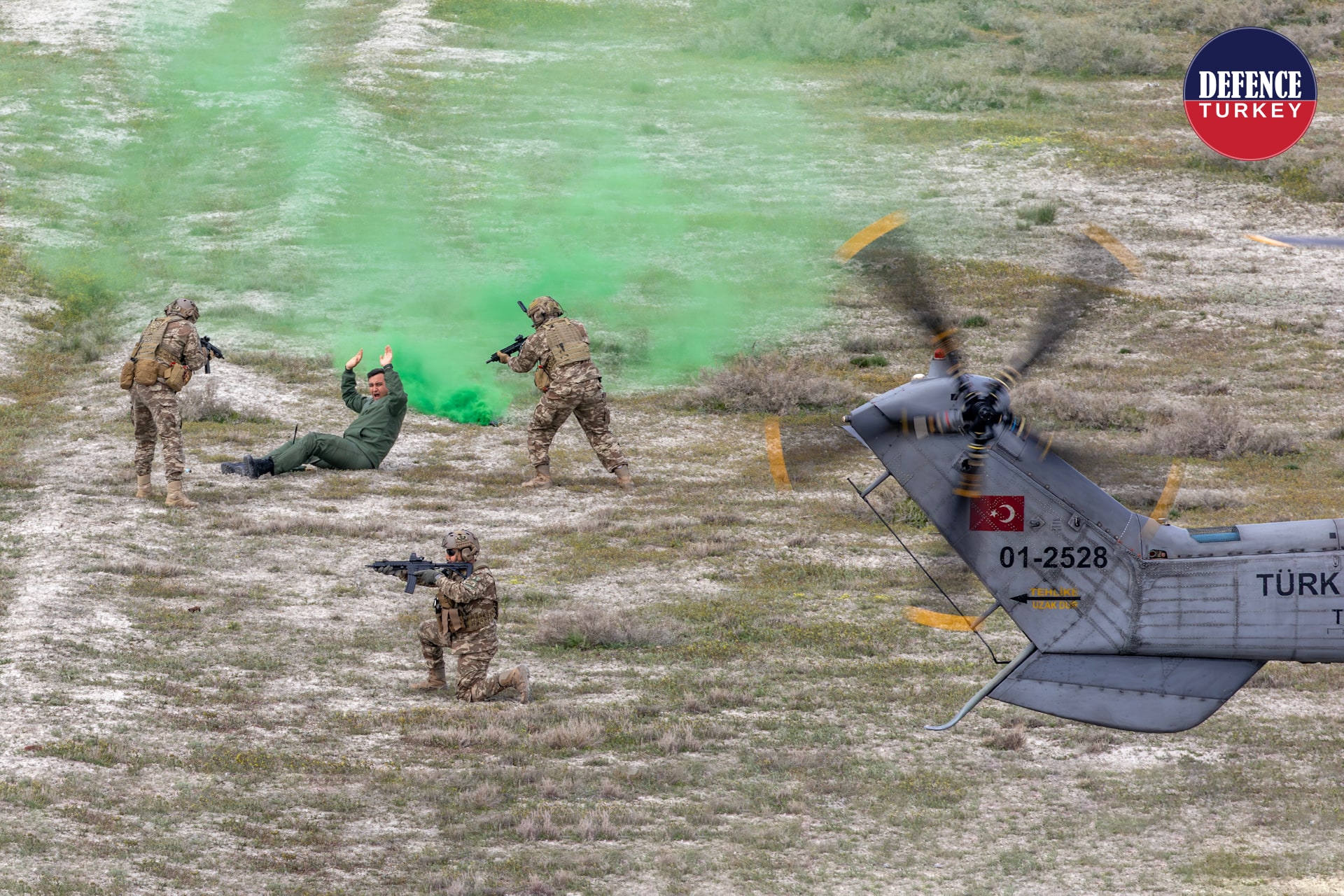
During the
operation, an F-16 aircraft conducting CAP is forced to eject due to an engine
failure. The location of the downed pilot is identified by a UAV using
QuickDraw identification and relayed to the CSAR package on standby. The pilot
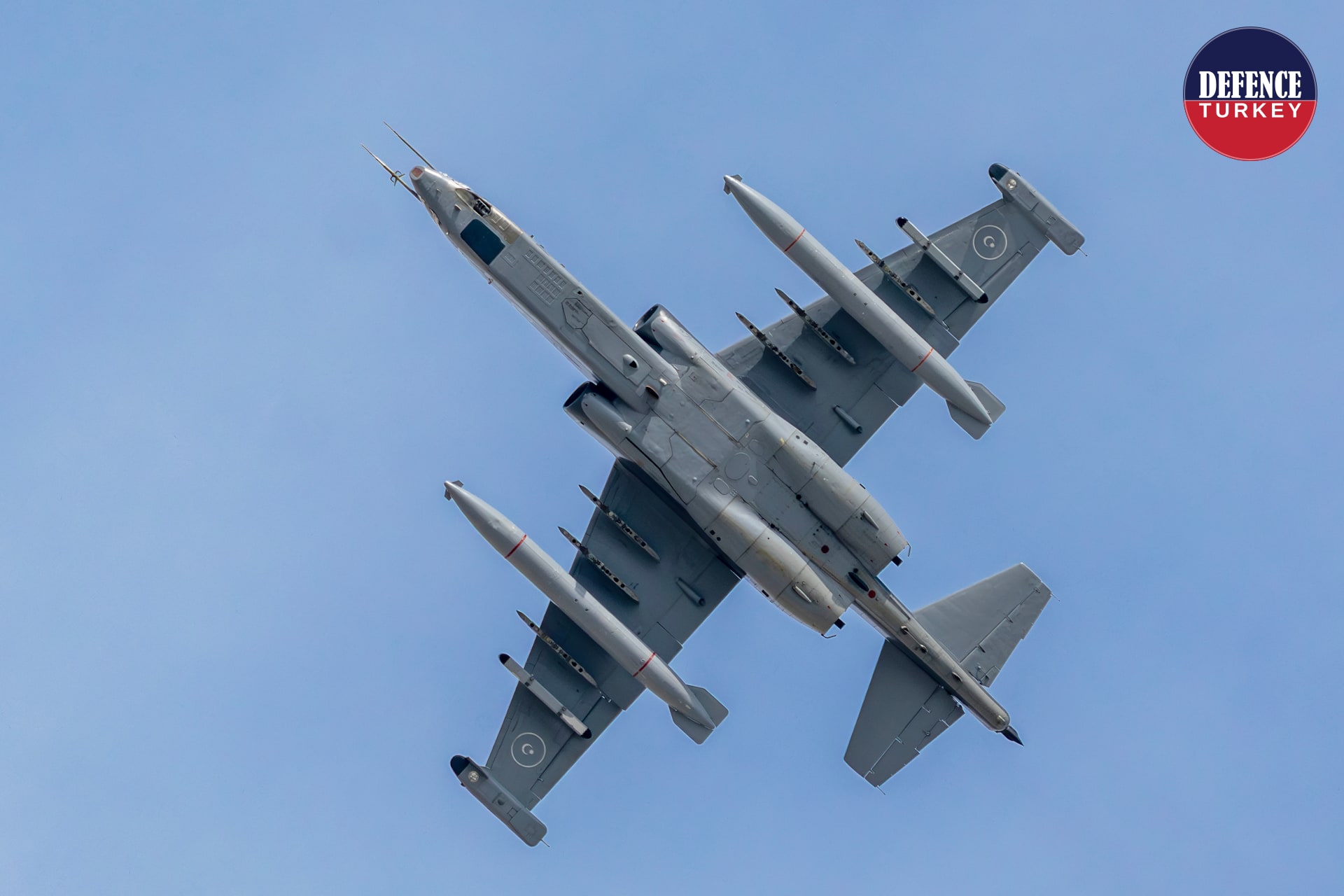
reports enemy activity in the vicinity, prompting F-16 aircraft to suppress
hostile elements with cannon fire, while friendly Su-25 aircraft continued to
conduct air-to-ground strikes against emerging threats. Once the area is
secured, the CSAR package entered the region, successfully recovered the pilot,
and conducted a rapid extraction.
Concurrently
with the CSAR operation, an intensified cyber offensive was carried out against
the Red Country, including widespread disinformation campaigns across social
media platforms aimed at disrupting command and control and influencing the local
population.
Finally, the Anatolian Phoenix 2026 Exercise concluded with a parachute jump from a CASA transport aircraft carrying the flags of the participating nations.
Elements
participating in the exercise this year
More than 519
participants from 5 countries, 116 of whom are foreigners, are participating in
the exercise this year.
·
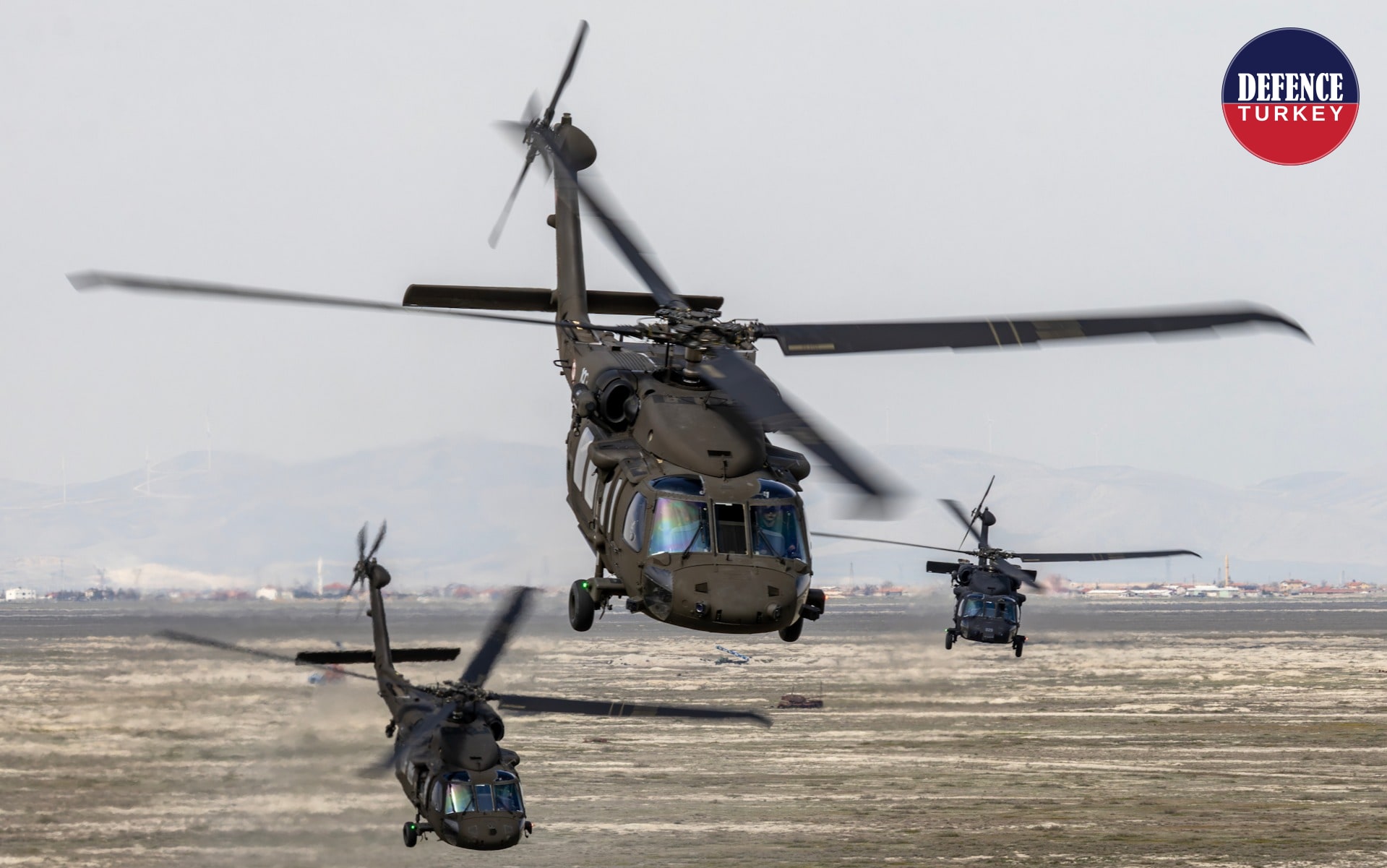
Turkish Air Forces Command with 8x F-16C/D, 1x E-7T, 2x CN-235M-100, 1x
AS-532AL, 4x T-70 CSAR, 1x ANKA-S UAV, 1x AKINCI UAV, 1x AKSUNGUR and 1x SUPER
SIMSEK & 10x JTAC Teams and 5x CSAR Teams,
·
Turkish Land Forces Command with 1x T-70, 1x CSAR Team,
·
Turkish Naval Forces Command with 2x CSAR & JTAC Teams,
·
Turkish Special Forces Command with 1x T-70 Helicopter and 1x SOF Team,
·
Gendarmerie General Command with 1x T-70 Helicopter and 1xCSAR Team,
·
United States of America with 1x CSAR & 3x JTAC Teams,
·
Azerbaijan with 2x SU-25 and 2x CSAR & 1x JTAC Teams,
·
Poland with 1x JTAC Team,
· Slovakia with 1x JTAC Team.