The Strategic Rise of Türkiye–Saudi Arabia Defense Cooperation: From Arms Procurement to Industrial Partnership
As the importance of the Defense and Aerospace Industry—one of the sectors with high export capacity—has grown, trade in defense products has likewise gained increasing significance. Through the export of defense and aerospace systems, countries not only generate foreign currency and reduce dependence on foreign suppliers for similar imports, but domestic firms also gain the financial resources needed to further develop their production infrastructure and expand their product portfolios.
Exports play a critical role in building a sustainable and competitive defense industry and are essential for maintaining international competitiveness in the sector. Recognizing the importance of exports for long-term sustainability, Türkiye—under the guidance and support of the Presidency of Defense Industries (SSB)—has achieved significant momentum over the past decade in exporting indigenously developed, NATO-standard defense and aerospace products. By offering original, domestically produced systems that are not subject to political restrictions or linked to issues such as democratization, human rights, or minority rights—and doing so at prices considerably more competitive than Western alternatives—the Turkish Defense and Aerospace Industry has emerged as a major actor in international defense markets and a strong alternative to U.S. and EU suppliers.
Compared to their U.S. and European counterparts, Turkish defense and aerospace firms provide high-technology, NATO-standard indigenous products with competitive pricing and flexible technology transfer arrangements. In recent years, these products have attracted substantial interest, particularly in the MENA (Middle East and North Africa) and ASEAN (Association of Southeast Asian Nations) markets. As a result, Turkish defense and aerospace companies have signed contracts worth billions of dollars, making a notable contribution to Türkiye’s export revenues.
While this demand is primarily driven by the high quality and cost-effectiveness of Turkish NATO-standard products—many of which have been field-tested, actively used, and operationally proven by the Turkish Armed Forces—positive developments in Türkiye’s political relations with countries in these regions have also played an important role in the growth of defense exports to MENA and ASEAN markets. Furthermore, Türkiye’s emergence as a significant defense supplier has been reinforced by the battlefield performance of its systems in recent conflicts, including the Syrian, Libyan and Sudan civil wars and the 2020 Second Nagorno-Karabakh War. In several instances, Turkish defense and aerospace products have demonstrably influenced the operational dynamics and outcomes of these conflicts.
Transformation and Export Performance of Türkiye’s Defense and Aerospace Industry
Türkiye’s defense and aerospace industry has undergone a profound structural transformation over the past two decades, evolving from a highly import-dependent system into a diversified and increasingly self-reliant industrial ecosystem. In 2002, the sector comprised only 56 companies and 62 active projects, operating with approximately 80% foreign dependency. As of January 2026, the industry encompasses more than 3,500 firms and over 1,400 projects, achieving a localization rate of 84%, generating annual revenues exceeding $20 Billion, and providing direct employment to nearly 100,000 personnel. This expansion reflects not only quantitative growth but also qualitative improvements in technological capacity and industrial depth.
Sectoral turnover illustrates the scale of this transformation. Total defense and aerospace revenues increased from $1.1 Billion in 2002 to $20.2 Billion by the end of 2024. Export performance has followed a similarly steep trajectory. Defense and aerospace exports, which stood at only $248 Million in the early 2000s, reached $7.154 Billion in 2024 (or $6.7 Billion according to Turkish Exporters Assembly [TİM] data). In 2025, exports rose by 48.8%, reaching $10.054 Billion, marking the first time the sector surpassed the $10 Billion threshold. In the same year, newly signed contracts totaled $17.9 Billion, representing a 79% year-on-year increase and indicating strong future revenue pipelines. The Turkish Defense and Aerospace Industry’s 2025 record-breaking exports are also a testament to the success of Türkiye’s 25-year effort to make the country into a global player in 21st century arms manufacturing.
Considering the total value of contracts secured by Turkish Defense and Aerospace companies from foreign customers in January 2026, it is reasonable to project further growth in Türkiye’s defense and aerospace exports throughout 2026. This outlook is supported by official export data released by the Turkish Exporters Assembly (TİM) on February 2, 2026. According to TİM figures, the Turkish Defense and Aerospace Industry exported approximately $555.347 Million worth of products in January 2026, marking a 44.2% increase compared to January 2025, when exports totaled $385.096 Million.
The sector’s growing role within Türkiye’s broader export structure is also noteworthy. Its share of total national exports rose from 1.7% in 2022 to 3.6% in 2025, demonstrating increasing strategic weight in the country’s trade composition. With exports reaching 185 countries and a portfolio spanning 230 product categories, Türkiye’s defense and aerospace industry has established itself as a significant global supplier. The international demand for NATO-standard, cost-effective Turkish platforms and systems underscores the sector’s enhanced competitiveness.
Firm-level performance indicators further reflect rising efficiency. In 2025, 185 companies each recorded exports exceeding $1 Million. Average export revenue per employee—a widely used metric of productivity in high-technology manufacturing—more than doubled, increasing from $45,000 in 2021 to $100,000 in 2025. This trend suggests improvements in value-added production and workforce specialization.
Geographically, export diversification has expanded alongside overall growth. In 2025, the principal destination regions for Turkish defense and aerospace exports were the European Union, NATO member states, the United States, Asia-Pacific, the Middle East, and Africa. Of the total $10.054 Billion in exports, $5.6 Billion (56%) was directed toward the EU, NATO countries, and the United States. Region-specific figures indicate $4.3 Billion in exports to Europe and $1.6 Billion to the Middle East. On a country basis, the United States, the United Kingdom, and Slovakia emerged as leading destinations. Additionally, numerous unmanned aerial vehicle (UAV) agreements signed with Gulf and African countries highlight the sector’s growing influence in emerging security markets.
Comparative long-term data suggest that Türkiye has been among the countries achieving the most rapid growth in defense exports over the past decade relative to the preceding ten-year period. Financing mechanisms have played a critical enabling role in sustaining this expansion. In this context, the Presidency of Defense Industries (SSB) is set to introduce a Government-to-Government (G2G) Military Sales model beginning in 2026, having completed the required legislative and institutional preparations in 2025. This framework is expected to enhance export sustainability by offering flexible cooperation modalities, ranging from conventional firm-to-government contracts to comprehensive government-to-government agreements, thereby strengthening Türkiye’s competitiveness in large-scale and strategically sensitive defense procurements.
Overall, the evolution of Turkish Defense and Aerospace Industry illustrates a transition from import substitution toward export-oriented, high-value production integrated into global supply chains. The sector’s trajectory reflects the combined effects of state-led industrial policy, technological upgrading, and expanding international partnerships, positioning it as a key component of Türkiye’s long-term economic and strategic planning.
Türkiye’s Defense and Security Budgets for 2026
From Türkiye’s 2026 central government budget, a total of TRY 2.155 Trillion has been allocated for defense and security expenditures. This includes TRY 1.202 Trillion for defense spending and TRY 953 Billion for internal security.
According to the 2026–2028 Medium-Term Program, published in 2025, the average USD/TRY exchange rate for 2026 is projected at 46.597. Based on this assumption, planned 2026 expenditures correspond to approximately $25.8 Billion in defense spending and $20.45 Billion in internal security spending, bringing the total defense and security allocation to about $46.26 Billion.
Within the same budget framework, TRY 822.93 Billion (around $18 Billion) has been allocated to the Ministry of National Defense (MoND), while the Presidency of Defense Industries (SSB) has been assigned a budget of TRY 1.547 Billion (around $332 Million).
Global Defense Sector, Turkish Defense & Aerospace Industry’s 2020-2024 Performance & Saudi Arabia
According to the Stockholm International Peace Research Institute (SIPRI) report publicized in March 205, Türkiye’s arms exports surged by 103% from 2015-2019 to 2020–2024, while its share of global arms exports stood at 1.7% in the same period, making it the 11th largest exporter in the world among the 25 largest exporters of major arms as documented by SIPRI. During the 2015-19 period, Turkey’s share of global arms exports was 0.8%. During this period the United Arab Emirates was the leading recipient of Turkish arms, accounting for 18% of Türkiye’s defense and aerospace exports during this period. Pakistan and Qatar followed, with 10% and 9.9%, respectively.
According to the report, five Turkish Defense and Aerospace Industry companies were included among the world’s top 100 sellers of arms and military services in 2024. The total revenues of these Turkish companies increased by 11% compared to 2024, reaching $10.1 Billion. The report also highlighted that the Machinery and Chemical Industry Corporation (MKE) entered the top 100 list for the first time. In the ranking, ASELSAN placed 47th with revenues of $3.47 Billion, Turkish Aerospace Industries (TUSAŞ) ranked 65th with $2.16 Billion, BAYKAR followed in 73rd place with $1.9 Billion, while ROKETSAN ranked 87th with $1.39 Billion and MKE ranked 93rd with $1.21 Billion.
Meanwhile, Türkiye’s arms imports decreased by 33% between 2015–19 and 2020–24, reducing its share of global arms imports from 1.7% to 1.1%. Spain was the largest arms supplier to Türkiye, contributing 34% of the country’s total arms imports, followed by Italy with 24% and Germany with 19%.
The SIPRI report also shows how emerging arms suppliers, including Turkey, are using exports to boost their influence in West Africa. From 2020-24, Türkiye and Russia were the third-largest arms suppliers to West African countries, each accounting for 11% of the region’s imports, following China and France.
In its report publicized in early December 2025, SIPRI said the combined arms revenues of the world’s largest arms-producing and military services companies—ranked in SIPRI’s Top 100—increased by 5.9% in 2024, reaching $679 Billion, the highest level ever recorded by SIPRI. Over the decade from 2015 to 2024, the total arms revenues of the Top 100 companies grew by 26%. The rise in total arms revenues in 2024 was driven primarily by overall increases among companies based in Europe and the United States. Year-on-year growth was observed across all geographical regions covered by the ranking, with the exception of Asia and Oceania. That region recorded a slight decline, largely due to a significant drop in the combined arms revenues of Chinese companies.
Global top-line defense spending is projected to reach $2.6 Trillion by the end of 2026, and analysts at Forecast International expect it to approach $2.9 Trillion by the end of the decade. The $2.6 Trillion estimate represents an 8.1% increase over 2025, when global defense spending reached $2.4 Trillion, according to Derek BISACCIO, lead analyst for defense markets and strategic analysis at the U.S. based Forecast International.
According to Forecast International data in 2025, Saudi Arabia was the sixth-largest defense spender at $72.5 Billion, though declining oil prices could constrain defense budgets across the Middle East. Saudi Arabia was the largest military spender in the Middle East in 2024 and the seventh-largest worldwide.
The top 10 defense spenders in 2025 according to Forecast International were:
United States – $860 Billion
China – $245 Billion
Russia – $157 Billion
United Kingdom – $80.5 Billion
Germany – $72.6 Billion
Saudi Arabia – $72.5 Billion
India – $60 Billion
France – $58.7 Billion
Japan – $58 Billion
Ukraine – $53 Billion
Türkiye’s Arms Sales to MENA Region: A Decade of Growth
Driven by its NATO-standard, high-technology product portfolio, competitive pricing, and willingness to engage in technology transfer, Türkiye has attracted growing interest from countries in the Middle East and Africa regions. In recent years, Turkish defense and aerospace firms have signed numerous high-value contracts across the MENA (Middle East and North Africa) market. At the same time, Africa has emerged as a key strategic expansion area for Türkiye’s defense and aerospace industry, which has received substantial domestic investment over the past decade.
The defense industry has also become an important component of Türkiye’s diplomatic normalization with Middle Eastern and Gulf states. These improving political ties have opened pathways for the export of indigenously developed systems, including arrangements involving local production and know-how transfer. Large-scale defense contracts contribute significantly to Türkiye’s export targets while also supporting broader economic stabilization efforts.
In 2025, Türkiye exported 230 different types of defense and aerospace products to 185 countries, generating $10.054 Billion in export revenue. Of this total, $4.3 Billion went to Europe, $1.3 Billion to the United States, and $1.6 Billion to the Middle East. During the 5th Global Strategies Conference for the Defense and Aerospace Industry (Antalya, January 30–31, 2026), President of Defense Industries Prof. Dr. Haluk GÖRGÜN announced that new export contracts signed in 2025 reached $17.9 Billion. According to GÖRGÜN, the regional distribution of these contracts was $5.5 Billion for Asia-Pacific, $5.3 Billion for Europe, $3.3 Billion for the Americas, $2.2 Billion for the Middle East, and $1.7 Billion for Africa. For comparison, Türkiye’s defense exports to Africa had stood at just $41 Million in 2020, underscoring the scale of recent growth.
Unmanned aerial vehicles (UAVs) have become one of the most visible symbols of Türkiye’s defense export expansion. BAYKAR has signed export agreements with 36 countries for the Bayraktar TB2 UCAV and 16 countries for the AKINCI UCAV. Turkish drones have become an increasingly popular weapon in African conflicts, today, more than 25 African countries operate Turkish-made UAVs. This has positioned Türkiye as Africa’s leading supplier of MALE-Class UAVs, surpassing China in several markets.
Morocco was among the earliest customers, acquiring Bayraktar TB2 systems in 2021 and later taking delivery of AKINCI UCAVs in early 2025. BAYKAR is also planning drone production and maintenance facilities in Morocco through its subsidiary, Atlas Defense. The company recorded $1.8 Billion in exports in 2024 and $2.2 Billion in 2025, ranking second among Türkiye’s top 10 defense and aerospace exporters and maintaining its leadership position in the global armed UAV export market. Meanwhile, ASELSAN expanded its footprint in Africa by signing a contract in Rwanda in 2025 for large-scale communications infrastructure solutions.
Türkiye’s defense engagement in Africa extends beyond UAVs. Türkiye has reportedly established 37 military liaison offices across the continent, signed numerous security cooperation agreements, and exported defense equipment to at least 25 African countries. This sustained engagement has positioned Türkiye as a regional power within the African continent.
According to SIPRI data, during 2020–2024, Türkiye directed 18% of its arms exports to the United Arab Emirates, 10% to Pakistan, and 9.9% to Qatar. Over the same period, Türkiye became the third-largest arms supplier to West Africa, with deliveries including T129 ATAK helicopters to Nigeria, HÜRKUŞ-C light attack aircraft to Niger and Chad, and additional systems to Libya.
Turkish UAV exports to Africa have included Bayraktar TB2, AKINCI, ANKA and AKSUNGUR platforms delivered to numerous countries, including Angola, Burkina Faso, Chad, Djibouti, Ethiopia, Libya, Mali, Maldives, Morocco, Niger, Nigeria, Rwanda, Somalia, Togo, and Tunisia. Turkish land systems manufacturers have also secured major contracts across Africa. Countries procuring Turkish armored vehicles include:
Burkina Faso: COBRA II, EJDER YALÇIN, and MEMATT mine-clearing vehicles
Chad: NMS’4x4 armored vehicles
Gambia: Armored vehicles from OTOKAR and KATMERCİLER
Ghana: COBRA I & II and KATMERCİLER TOMA vehicles
Ivory Coast: COBRA I and COBRA II
Kenya: KATMERCİLER HIZIR and OTOKAR’s armored vehicles
Morocco: 200 COBRA II armored vehicles (ordered in 2024, deliveries completed in 2025)
Niger: EJDER YALÇIN
Nigeria: EJDER YALÇIN and COBRA
Rwanda: COBRA I, COBRA II and KATMERCILER’s 4x4 HIZIR II, ATEŞ and KHAN wheeled armored vehicles
Senegal: COBRA II, EJDER YALÇIN, KATMERCİLER’s HIZIR II MRAP and TOMA
Tunisia: BMC’s KİRPİ MRAP and VURAN and EJDER YALÇIN
Uganda: OTOKAR’s ARMA 8x8, COBRA I and COBRA II and KATMERCİLER’s armoured vehicles.
These agreements, many valued in the hundreds of millions of dollars, reflect the expanding scope of Türkiye’s land systems exports.
During 2020–2024 Turkish naval vessels manufacturers have also secured several contracts from Africa and Qatar. DEARSAN Shipyard signed a contract with the Nigerian Navy on November 3, 2021, in Abuja for the construction of two 76-meter offshore patrol vessels (OPV 76). This contract marked a historic step as DEARSAN’s first naval vessel export to the Africa continent. The keel laying ceremony of the first 76-meter offshore patrol vessel took place on September 16, 2022. First ship (P203) was launched in October 2023 and completed her sea trials in August 2024. The second OPV 76, (P204), was launched in April 2024 and completed her sea trials in March 2025. Delivery of both vessels was scheduled in 2025. DEARSAN is also involved in the refurbishment of Nigeria's flagship frigate, the NNS ARADU (F89) under a contract signed on June 6, 2023, and the construction of a 57-meter TUZLA Class patrol boat for the Nigerian Navy. In July 2022 an undisclosed African country has ordered 151 Class Landing Craft Tank (LCT) type landing ships from ANADOLU Shipyard. Announcing the order on July 19, 2022, Anadolu Shipyard said the vessels will be delivered within two years, but gave no further details. These contracts have carried Türkiye’s naval defense industry export capacity into the African market. In December 2023, Anadolu Shipyard announced that it had signed an additional contract with an African country for the construction of two Landing Craft Tank (LCT) vessels. Anadolu Shipyard had previously built four amphibious vessels of three different types for the Qatari Navy within a period of 22 months. These included 1 151 Class Landing Craft Tank (LCT), 2 Landing Craft Mechanized (LCM) and 1 Landing Craft Vehicle and Personnel (LCVP). All four vessels were constructed at Anadolu Shipyard’s facilities in Tuzla, Türkiye. Qatar had also ordered two Offshore Patrol Vessels (OPVs) from Anadolu Shipyard. Under this contract, the vessels Al Doha and Al Shamal were built within 36 months and successfully delivered to the Qatari Navy.
Between 2019 and 2023, the leading recipients of Türkiye’s arms exports were the United Arab Emirates (15%), Qatar (13%), and Pakistan (11%). During this period, Türkiye ranked as the fourth-largest arms supplier to sub-Saharan Africa, with a 6.3% market share, according to SIPRI.
Saudi Arabia’s Defense and Security Budgets for 2026
Saudi Arabia’s defense budget rose by 11.4% in 2023, reaching $67.7 Billion. In 2024, the budget increased by a further 2% year-on-year to $69.1 Billion, followed by an additional 5% rise in 2025, bringing total defense spending to $72.5 Billion. Given that Saudi Arabia’s defense budget stood at $53.9 Billion in 2021, this reflects an average annual growth rate of approximately 7.7% between 2021 and 2025. As noted earlier, Saudi Arabia was the largest military spender in the Middle East in 2024 and ranked seventh globally. In 2025, with defense spending at $72.5 Billion, the Kingdom became the sixth-largest defense spender in the world.
On December 2, 2025, Saudi Arabia’s Cabinet approved the Kingdom’s 2026 state budget, with total expenditures amounting to SAR 1.313 Trillion (approximately $350 Billion). Of this, the Ministry of Defense was allocated nearly $64 Billion (SAR 240 Billion). The year 2026 is expected to be pivotal for several major defense programs scheduled for delivery before the end of the decade, in line with Defense Vision 2030 objectives.
According to the Budget Statement for Fiscal Year 2026 (FY2026) published by the Saudi Ministry of Finance, SAR 272 Billion (about $72.5 Billion) had originally been allocated for defense in 2025; however, actual expenditures totaled SAR 239 Billion (approximately $63.71 Billion). As a result, the 2026 defense budget was set at SAR 240 Billion (around $64 Billion), representing a modest 0.3% increase over actual 2025 spending.
In the security sector, SAR 121 Billion (approximately $32.26 Billion) was allocated in 2025, while actual spending reached SAR 123 Billion (about $32.79 Billion). Consequently, the 2026 security budget is planned at SAR 120 Billion (approximately $31.99 Billion), marking a 2.1% decrease.
Saudi Arabia’s Military Industry Localization Under Vision 2030
Saudi Arabia is accelerating efforts to localize its defense industry as a central pillar of its Vision 2030 economic diversification strategy. During the first annual Military Industries Sector Meeting held in Riyadh in November 2025 and organized by the General Authority for Military Industries (GAMI), officials announced that the localization rate of military spending had reached 24.8% in 2025, bringing the Kingdom significantly closer to its goal of exceeding 50% localization by 2030.
Localization of military industries is seen not only as a national security priority but also as a driver of industrial transformation. By reducing reliance on imported weapons systems, Saudi Arabia aims to stimulate growth in high-technology sectors such as electronics, telecommunications, aviation technologies, and advanced manufacturing. This strategy supports broader efforts to expand non-oil economic activity and create a sustainable domestic industrial base.
Since the launch of Vision 2030, the Saudi economy has undergone a far-reaching structural transformation driven by comprehensive financial, economic, and regulatory reforms, as well as strategic public investment aligned with national priorities. These initiatives aim to diversify the economic base, enhance spending efficiency, and ensure long-term fiscal sustainability. As a result, the Kingdom has developed a more resilient and diversified economic structure, enabling steady performance despite global economic volatility. Non-oil sectors, including the defense industry, which is emerging as both a contributor to national security and a growing source of non-oil revenue, continue to drive economic expansion. According to data released on February 2, 2026, Saudi Arabia’s GDP grew by 4.5% in FY2025, while non-oil activities recorded a 4.9% increase, underscoring the momentum of diversification efforts. In 2026, the Kingdom entered the third phase of Vision 2030 implementation, emphasizing large-scale projects and strategies to expand private-sector participation and further develop non-oil sectors such as tourism, artificial intelligence, and advanced manufacturing.
To strengthen indigenous defense capabilities, Saudi Arabia has implemented policies encouraging foreign defense firms to establish local offices, joint ventures, and production facilities within the Kingdom. These measures are designed to accelerate technology transfer, develop the domestic workforce, and foster long-term industrial partnerships. Key institutional milestones include the establishment of the National Company for Mechanical Systems (NCMS) in 2006 and the creation of Saudi Arabian Military Industries (SAMI) in 2017 as a state-owned defense holding company tasked with spearheading localization initiatives.
GAMI plays a central role in this transformation by attracting investment, supporting small and medium-sized enterprises, and expanding industrial capacity across key defense domains, including aerospace systems, armored vehicles, missile technologies, electronic warfare systems, and unmanned aerial vehicles (UAVs). These initiatives are intended to ensure that the defense sector contributes not only to military readiness but also to long-term industrial growth.
The financial commitment underpinning these ambitions remains substantial. As pointed out above lines Saudi Arabia allocated $72.5 Billion for defense in 2025, reflecting continued prioritization of military modernization and domestic capacity building. Although actual defense expenditures were lower than initial allocations, the Kingdom’s 2026 defense budget of approximately $64 Billion maintains momentum in key procurement and industrial development programs aligned with Vision 2030 milestones.
Localization progress has been notable. According to GAMI data, the localization rate has increased from 4% in 2018 to 19.35% by 2023, and further to 24.8% in 2025. This steady upward trajectory highlights measurable advances toward self-sufficiency in defense manufacturing and reflects the effectiveness of Saudi Arabia’s regulatory reforms, investment incentives, and international partnerships.
Saudi Arabia’s expanding defense industrial base also presents growing opportunities for foreign partners. Countries such as Türkiye, with competitive and combat-proven defense technologies and experience in technology transfer arrangements, are well positioned to participate in joint production, subsystem integration, and long-term industrial cooperation within the Kingdom’s evolving defense ecosystem.
As Vision 2030 progresses, the localization of military industries is emerging as both a strategic security objective and a cornerstone of Saudi Arabia’s transition toward a diversified, innovation-driven economy.
Türkiye–Saudi Arabia Defense Industry Cooperation: From Political Rupture to Strategic Rapprochement
The Middle East’s defense landscape is undergoing a structural transformation characterized by supplier diversification, localization of defense production, and the rise of flexible, interest-driven strategic partnerships. Within this evolving environment, the rapidly deepening defense relationship between Türkiye and Saudi Arabia stands out as one of the most consequential emerging alignments.
The bilateral defense relationship between Türkiye and Saudi Arabia has undergone a marked transformation since the diplomatic normalization process that began in 2022. During the Arab Spring period, relations deteriorated due to Türkiye’s close ties with Qatar and the killing of Saudi journalist Jamal Khashoggi at the Saudi Consulate in Istanbul in 2018. As tensions escalated, Saudi Arabia imposed an informal import ban on Turkish goods in September 2020 and embargoed products labeled “Made in Türkiye” as of October 1, 2020.
This political rift also affected defense-industrial cooperation. Prospective projects, including the export of ANKA UAVs, the establishment of a radar and electronic warfare systems facility (a scaled version of ASELSAN REHİS), and potential ADA/MİLGEM-Class Corvette sales, were shelved.
What initially appeared to be a pragmatic diplomatic rapprochement has since evolved into one of the Middle East’s most significant emerging defense-industrial partnerships. Driven by Riyadh’s Vision 2030 localization goals and Ankara’s expanding defense export strategy, cooperation now extends beyond procurement into long-term industrial integration, technology transfer, and geopolitical alignment.
The first phase of renewed cooperation centered on direct procurement, particularly in unmanned aerial systems (UAS). In late 2010s Saudi Arabia signed an agreement with LENTATEK for an undisclosed number of KARAYEL-SU Armed UAVs (locally designated HABOOB). LENTATEK is collaborating with its local partner INTRA Defense Technologies. Saudi Arabia’s later decision to procure BAYRAKTAR AKINCI high-altitude long-endurance UCAVs, while not ordering tactical-class BAYRAKTAR TB2s, has been interpreted as a sign of confidence in its existing KARAYEL-SU fleet while seeking higher-end strategic strike capabilities.
In July 2023, during the visit of Turkish President Recep Tayyip ERDOĞAN to Saudi Arabia’s Crown Prince Mohammed bin SALMAN, a landmark multi-billion-dollar contract was signed between the Saudi Ministry of Defense and BAYKAR for the sale and co-production of AKINCI Unmanned Combat Aerial Vehicles (UCAVs). Under the agreement:
At least 60 AKINCI UCAVs will enter service with the Royal Saudi Air Force (RSAF) and Royal Saudi Naval Forces (RSNF) in the first batch
Deliveries began in 2025
Local production and final assembly in Saudi Arabia will start in 2026
Intellectual property rights will be shared by Türkiye and Saudi Arabia
BAYKAR will provide training, technical support, and integrated logistics services
Announced by SSB President Prof. Dr. Haluk GÖRGÜN, the deal, valued at $3.1 Billion, represented the largest single defense export in Türkiye’s history up to that time.
The acquisition reflects Riyadh’s recognition that future Gulf conflicts will increasingly rely on drone swarms, precision strike systems, and electronic warfare rather than solely on traditional manned aircraft. For Türkiye, the agreement reinforces its reputation as a reliable defense partner offering combat-proven, cost-effective systems that are not constrained by lengthy Western export approval processes.
Powered by uprated turboprop engines, the AKINCI platforms destined for Saudi Arabia are expected to be equipped with ASELFLIR-500 EO/IR payloads, while some aircraft are reportedly configured with the MURAD X-Band AESA radar and ANTIDOT-2 electronic warfare pods.
On August 6, 2023, SAMI and BAYKAR signed a Technology Localization Agreement for the local production of AKINCI UCAVS at SAMI facilities in Saudi Arabia. According to SAMI, up to 70% of AKINCI UCAVs that will be built for the RSAF and RSNF will be locally produced, for this purpose SAMI has sent 300 Saudi employees to work with BAYKAR to enhance its skills base. Meanwhile, Saudi operators completed advanced training at BAYKAR’s AKINCI Flight Training Center in Çorlu, Türkiye in October 2025.
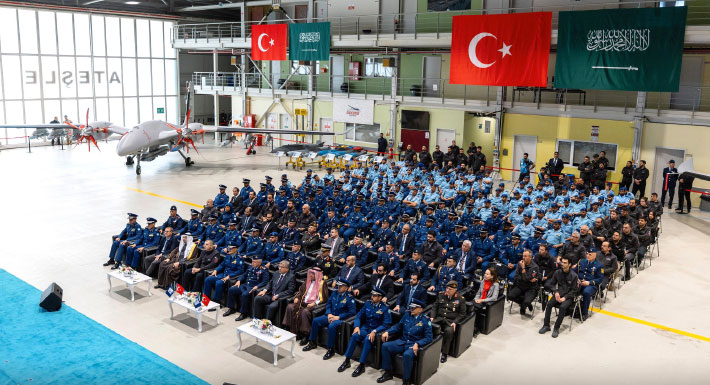
At the October 13, 2025 graduation ceremony, two AKINCI UCAVs, painted in unmarked liveries and widely believed to be destined for Saudi Arabia, were prominently displayed, armed with UAV-230 air-to-surface supersonic ballistic missiles, MAM-L precision-guided munitions, and TOLUN small-diameter bombs. The graduation of the first AKINCI UCAV training cohort indicated that Saudi Arabia was on track to integrate the AKINCI UCAV into its airpower inventory by late 2025. In August 2025, BAYKAR Chief Technology Officer Selçuk BAYRAKTAR confirmed that production lines for the AKINCI UCAV were being established in Saudi Arabia. These facilities are expected to accelerate the Kingdom’s defense-industrial workforce development by creating high-skilled jobs and fostering long-term expertise in unmanned systems. With this agreement, Saudi Arabia became the seventh customer of the AKINCI UCAV, following Türkiye, Azerbaijan, Pakistan, Libya, Kyrgyzstan, and Ethiopia. BAYKAR’s export footprint continues to expand: as of January 2026, the company had signed UAV export agreements with 36 countries for TB2 and 16 countries for AKINCI.
The AKINCI deal opened the door for broader industrial collaboration. The National Company for Mechanical Systems (NCMS) of Saudi Arabia signed localization agreements with ASELSAN, BAYKAR and ROKETSAN for sensors (such as ASELFLIR-500), subsystems, and precision munitions (guidance kits).
The bilateral defense relationship between Türkiye and Saudi Arabia has since shifted from a traditional buyer–seller model toward joint production and localization. Agreements between Saudi Arabian Military Industries (SAMI) and major Turkish firms such as LENTATEK, BAYKAR, ASELSAN, and ROKETSAN now focus on co-production frameworks covering UAVs, FLIR payloads, electronic systems, precision munitions, and advanced subsystems. Turkish defense companies are establishing joint ventures and local facilities in Saudi Arabia, contributing to workforce training, supply chain development, and the transfer of technical know-how. A bilateral agreement facilitating the secure exchange of classified defense information has further enabled deeper collaboration on sensitive projects.
Meanwhile, within the scope of the IDEF ‘25 Exhibition, strategically significant defense cooperation agreements were signed between Türkiye and Saudi Arabia in July 2025. The signing ceremony was attended by Saudi Arabia’s Deputy Minister of Defense Dr. Khalid bin Hussein Al-BIYARI, Governor of the General Authority for Military Industries (GAMI) Eng. Ahmed bin Abdulaziz Al-OHALI, and President of Türkiye’s Presidency of Defense Industries (SSB) Prof. Dr. Haluk GÖRGÜN. During the ceremony, memoranda of understanding and cooperation agreements were signed between leading Turkish defense companies—FNSS, Nurol Makina, and ASELSAN—and SAMI Land, a subsidiary of Saudi Arabian Military Industries (SAMI). These agreements aim to further strengthen the already robust defense industry ties between Türkiye and Saudi Arabia. The primary objectives of the agreements include joint production projects, advanced technology transfer, and the reciprocal development of indigenous industrial capabilities. Through these steps, defense industry cooperation between the two countries is expected to be placed on a sustainable, multidimensional, and future-oriented foundation. Under the agreements FNSS will carry out technology and know-how transfer for the local production of 8×8 PARS ALPHA armored vehicles and weapon turret systems. ASELSAN will share technology and expertise to enable the production of turret systems in Saudi Arabia. NUROL MAKİNA, meanwhile, will carry out technology and know-how transfer to support the local manufacturing of 4×4 armored vehicles. Projects to be implemented under this cooperation framework will help reduce both Türkiye’s and Saudi Arabia’s external dependence in the defense sector while enhancing their competitiveness in the global market.
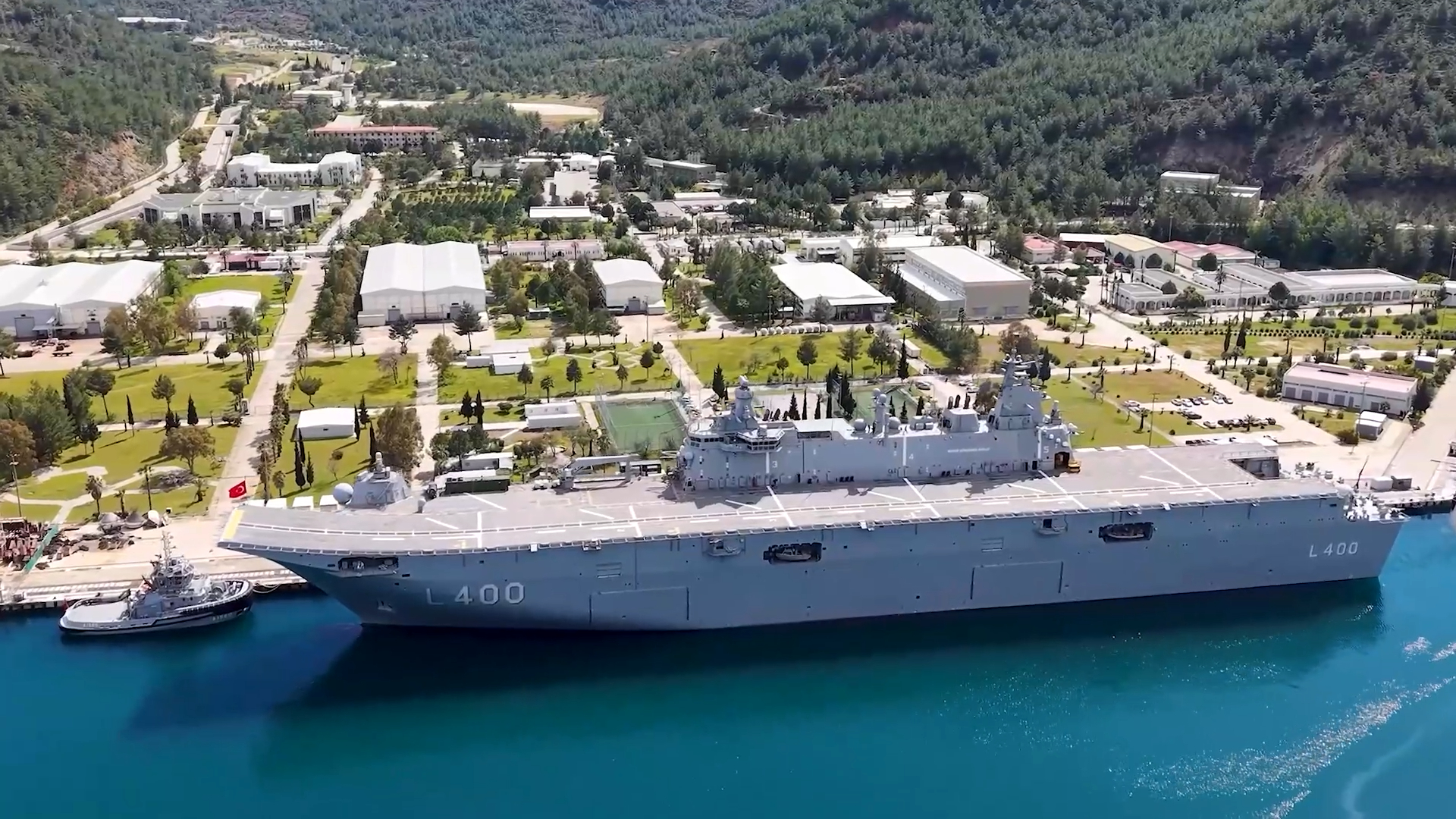
Saudi Arabia was previously interested in ADA/MİLGEM Class Corvettes and there has been in ongoing negotiations for the sale of various types of warships, including five frigates (with one to be built in Türkiye and four in Saudi Arabia) and landing ships for use in different naval operations. On the other hand, Saudi Arabia is also planning to procure a substantial number of 4x4 and 8x8 tactical wheeled armored vehicles, MRAP type 4x4 armored vehicles, and air defense systems. In the international tenders opened for the Saudi Arabian Royal Land Forces’ requirements for 4x4 MRAP, and 8x8 tactical wheeled armored vehicles, Turkish companies BMC, FNSS, NUROL MAKİNA, and OTOKAR have submitted bids and participated in field/mobility tests in Saudi Arabia with their indigenous solutions. In this context, BMC participated with the 8x8 ALTUĞ, FNSS unveiled the 8x8 PARS ALPHA for the first time during the WDS 2024 Fair, NUROL MAKİNA joined with the EJDER YALÇIN 4x4 featuring an ASELSAN turret and a 25mm cannon, and Otokar participated with both the COBRA II (equipped with a 25mm turret) and the ARMA 8x8 in the mobility tests conducted last summer. Additionally, OTOKAR sent the COBRA II MRAP to Saudi Arabia for mobility trials under a different tender.
According to information I obtained during the WDS 2024 Exhibition, discussions were held between ASELSAN and the Saudi Ministry of Investment regarding the possible establishment in Saudi Arabia of a scaled-down version of the ASELSAN’s REHİS facilities. Work on these facilities had originally begun prior to 2022 but was shelved at the last minute due to political tensions between the two countries. The issue has now reportedly returned to the agenda. It may be recalled that in December 2016, ASELSAN announced the establishment of the Saudi Defense Electronics Company (SADEC) in Saudi Arabia in partnership with TAQNIA DST, with a capital of $6 Million. SADEC was intended to operate in the fields of radar, electronic warfare, and electro-optical systems. However, following the political tensions between the two countries, SADEC was shut down a few years later before any production facilities could be established. This occurred despite the approval of an investment fund valued at $400 Million, and the project was never realized.
Saudi Arabia is also closely monitoring the HAVA SOJ (Airborne Stand-Off Jammer, ASOJ 23-A) Program being carried out for the Turkish Air Force (TurAF). The Turkish Air Force is preparing to receive its first Air SOJ (Stand-Off Jammer) aircraft in October 2026. Based on the Bombardier Global 6000 business jet platform, the system is designed to detect, identify, and suppress enemy radar and communication assets from stand-off ranges, thereby enhancing the protection of friendly forces. It is also claimed that Air SOJ aircraft may be delivered to the Royal Saudi Air Force (RSAF) and the Pakistan Air Force (PAF), although no official figures regarding the number of platforms have been disclosed. Under the HAVA SOJ Project, ASELSAN aims to complete delivery of the TurAF’s four-aircraft order by 2028. The Air SOJ (Stand-Off Jammer) aircraft planned for the RSAF and PAF are expected to feature configurations different from those of the TurAF platforms.
Saudi Arabia has also shown close interest in ASELSAN’s land-based communications electronic warfare (EW) solutions, and in this context previously examined the ILGAR V/UHF Electronic Attack System and the SÖKMEN V/UHF Electronic Support System.
So, in less than 5 years the Türkiye–Saudi defense relationship has evolved from transactional procurement into a structured, long-term industrial partnership. It now encompasses:
UAV co-production
Subsystem localization
Electronic warfare cooperation
Land and naval platform tenders
Workforce training and technology transfer
For Saudi Arabia, the partnership accelerates defense localization under Vision 2030. For Türkiye, it secures a high-value anchor market that supports sustained production, foreign currency inflows, and global positioning as a leading mid-tier defense exporter.
More broadly, the partnership reflects the emergence of a multipolar Middle Eastern defense order, where industrial cooperation, strategic autonomy, and geopolitical balancing increasingly intersect.
While industrial collaboration remains the backbone of the relationship, the scope of engagement is steadily expanding. High-level defense and industry dialogues are increasingly addressing prospective cooperation in missile systems, naval platforms, armored vehicles, and advanced aerospace programs. Saudi Arabia’s exploratory interest in Türkiye’s KAAN 5th-Generation Fighter Program underscores the ambition to extend cooperation into higher-end technological domains, although such initiatives are still at an early, exploratory stage.
Meanwhile, the deepening military and defense industrial cooperation between Türkiye and Saudi Arabia is causing considerable concern for Israel, another key actor in the region. The Hebrew-language outlet Maariv reported on January 23, 2026, that the improvement in relations between Washington and Ankara, alongside the deepening military and security cooperation between Türkiye and Saudi Arabia with U.S. support, has generated serious concern in Israel. According to the SadaNews translation cited in the report, Türkiye is increasing its influence in Syria while strengthening security ties with Iraq, Jordan, and Lebanon. It also claimed that Türkiye is seeking to join a NATO-like security arrangement signed in September 2025 between Saudi Arabia and nuclear-armed Pakistan. In response to a related question during an interview with Sedat ERGİN published in Gazete Oksijen on January 30, 2026, Turkish Minister of National Defense (MoND) Yaşar GÜLER underlined that Türkiye’s NATO membership does not prevent the country from cooperating with other nations. He elaborated as follows:
“Türkiye’s defense and security policy is conducted on the basis of international law, mutual respect, and cooperation. In this framework, our defense and security relations with friendly and brotherly countries such as Saudi Arabia and Pakistan have long been maintained in line with our mutual interests and the objective of strengthening regional stability. In this context, we maintain contacts and joint activities in various areas, including defense industry cooperation, military training and exercises, and the sharing of knowledge and experience. At the same time, multilateral cooperation efforts aimed at preserving regional security and stability continue to be evaluated. Given its geographical position and the fact that it faces security challenges both to the east and the west, developing flexible and multidimensional security relationships is a strategic necessity for our country.
Türkiye’s approach to such initiatives is not in contradiction with NATO membership; on the contrary, it is complementary. NATO remains one of the fundamental pillars of Türkiye’s security policy, and this is not open to debate. The current security environment demonstrates that threats are regional, multi-layered, and rapidly evolving in nature. Therefore, NATO membership does not prevent Türkiye from developing defense cooperation with other countries. On the contrary, such relationships should be regarded as elements that enhance Türkiye’s deterrence and contribute to regional stability.”
Turkish Defense & Aerospace Industry Makes a Strong Showing at WDS 2026 with 130 Companies
The Turkish Defense and Aerospace Industry, which increased its defense and aerospace exports from $4.364 Billion in 2022 to a record $10.54 Billion in 2025, is set to make a major appearance at the 2026 World Defense Show (WDS). Although WDS will be held for only the third time, it has already established itself as one of the Gulf region’s premier defense exhibitions. Under the leadership of the Secretariat of Defense Industries (SSB), 130 Turkish companies and institutions will participate in the event.
Held in Riyadh, Saudi Arabia, from February 8–12, 2026, WDS 2026 will be organized under the theme “The Future of Defense Integration.” The exhibition serves as a global defense and security platform, bringing together senior military leaders, government stakeholders, and industry decision-makers to showcase the latest advancements across all five operational domains: air, land, sea, space, and security.
Event organizers report that, building on the success of previous editions, WDS 2026 has attracted unprecedented international interest. Founded by Saudi Arabia’s General Authority for Military Industries (GAMI), the exhibition is expected to host more than 1.200 exhibitors from over 80 countries, including first time participants such as Japan, Portugal, Uzbekistan, and Finland.
Over five days, WDS 2026 will feature:
Live and static displays across multiple defense domains
More than 100 global speakers addressing key defense and security challenges
The Future Defense Lab, showcasing next-generation and breakthrough technologies
The Saudi Supply Chain Zone, connecting global OEMs with Saudi industry
Dedicated Naval and Unmanned Systems zones
Extensive networking opportunities across the global defense ecosystem
The Secretariat of Defense Industries (SSB) has long supported national participation in major defense exhibitions across the Middle East and North Africa (MENA) region to promote the capabilities of Türkiye’s defense sector. Turkish firms regularly take part in leading regional events such as IDEX/NAVDEX (UAE), DIMDEX (Qatar), SOFEX (Jordan), the Bahrain International Airshow (BIAS), and Africa Aerospace & Defense (AAD).
At WDS 2026, the majority of Turkish companies will exhibit under the Türkiye Pavilion, organized with the support of the Defense and Aerospace Industry Exporters’ Association (SSI), while additional Turkish firms will be located throughout other halls of the exhibition venue.
According to official event data, the Turkish Defense and Aerospace Sector will be represented by 130 companies and institutions, including major industry players such as: ASELSAN, TUSAŞ, BAYKAR, ROKETSAN, HAVELSAN, FNSS, BMC, OTOKAR, STM, NUROL MAKİNA, NUROL TEKNOLOJİ, METEKSAN Savunma, ASFAT, ASPİLSAN Enerji, TAIS Shipyards, REPKON, SARSILMAZ, CANİK, KAREL, CTECH, SDT, TUALCOM, DASAL, ARES Shipyard, ALTINAY Defense Technologies, ANOVA R&D, EHSİM, MKE A.Ş., TÜBİTAK, and many others.
With this level of participation, Türkiye ranks as the fourth-largest international contributor to WDS 2026 in terms of company representation and exhibition footprint. Turkish firms are expected to occupy more than 20% of the exhibition space, following: Saudi Arabia (334 companies), China (177 companies) and United States (159 companies). Other major national participants include France (67 companies), the United Kingdom (57), South Korea (32), the UAE (29), Germany (20), and Italy (19)