Turkey to Acquire New Technologies with the Technology Acquisition Roadmap Agreements
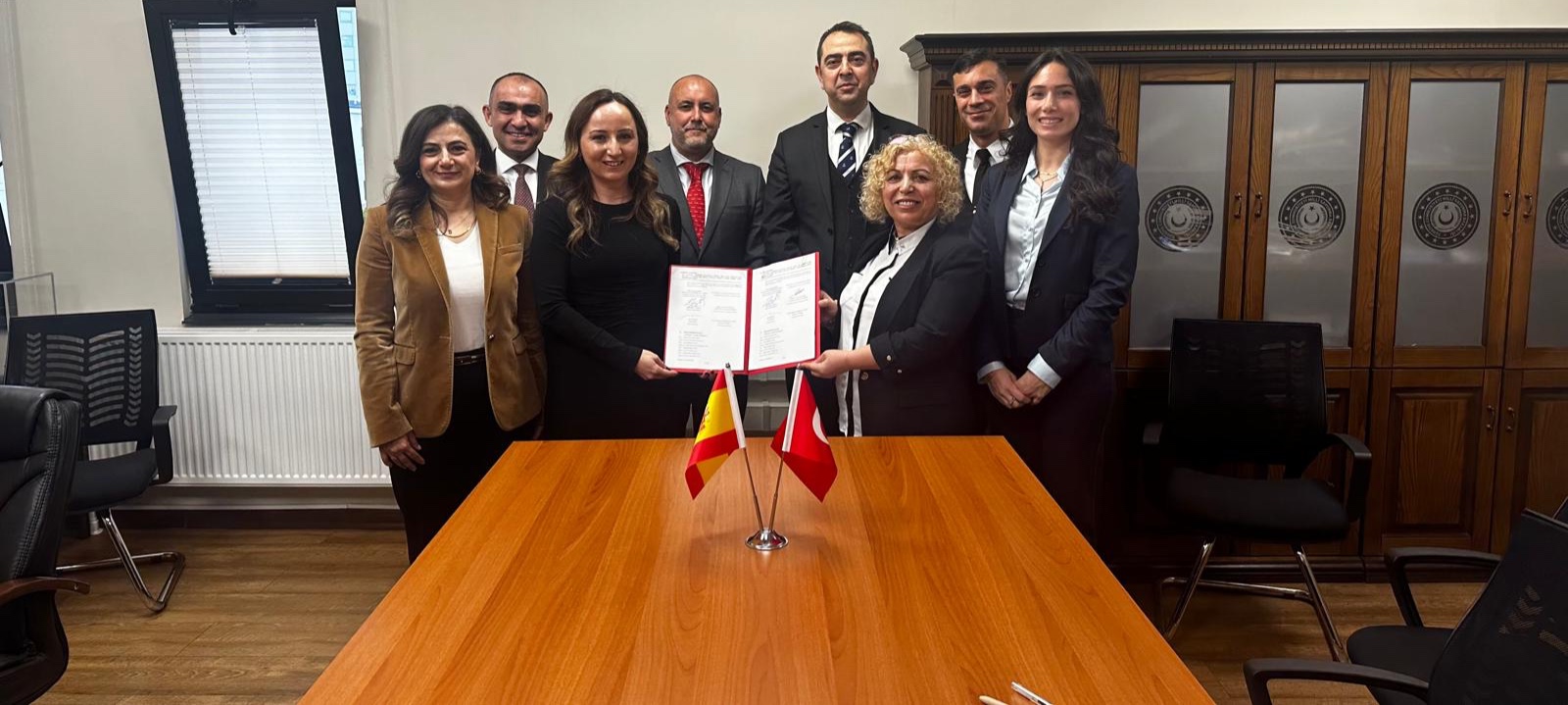
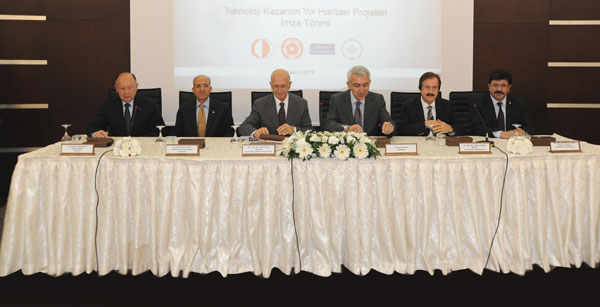
Within the framework of the Technology Acquisition Roadmap Projects of the Undersecretariat for Defence Industries (SSM); under the scope of Research Projects on Electro-Optical Sensors and Display Screen Technologies; SSM and Aselsan signed the agreements related to Eymir, Gediz, Kangal and ElmasProjects. Moreover under these aforesaid ones, sub-contracting agreements between Aselsan and Middle East Technical University (METU), Cumhuriyet University, Sabancı University and İzmir Institute of Technology (İYTE) were signed.
The Infrared Detector Technology that enables a clear sight under poor weather conditions and night vision is owned only by a limited number of developed countries and is accepted as one of the most important components of the electro-optical systems.This technology requires lengthy and extensive scientific studies and provides superiority and efficiency to its user in defence area with its applications using the most improved aspects of science and technology.
Infrared Detector Technology also stimulates the production of other critical technologies and in our country R&D studies on this issue started in the past years.With the aforementioned Eymir, Gediz and Kangal agreements, the development of the core components of electro-optical infrared sensors that could detect the infrared lights reflected or radiated from objects and convert them to electrical signals is aimed.
Only a few countries in the world bear the infrared technology and problems are encountered in acquiring the export permits. Fortunately, with the help of these three projects initiated by SSM, a research study on the main materials used in the infrared detectors shall be launched in our country using our national resources. The fruits of these studies shall be transferred to the defence industry in the coming years for the target of becoming one of the few countries having this technology. The results of the project are intended to be used in reconnaissance / surveillance and fire control systems, night vision systems, driver’s periscopes, screening of the aerial, land and naval military vehicles’ compartments.
Studies regarding these agreements shall focus on basic micro-electronic technologies and related materials and within this process, main research activities shall be conducted in the universities with the cooperation of industry and then the applications shall be industrialized in Aselsan. Thus, Aselsan would be able to use the authentic micro-electronic instruments developed nationally in our universities and research centres, in systems containing advanced technology.
Besides these projects, with the Elmas Project that is to be signed with the SSM and Aselsan (as a main contractor) and within the scope of the sub-contracts signed with Sabancı University Nanotechnology Research and Application Centre (SUNUM) and METU Department of Chemistry, R&D activities regarding Organic Light Emitting Diode (OLED) and GRAPHENE technologies are intended to be executed. With its superior features, OLED technology is expected to replace the Liquid Crystal Display (LCD) technology within ten years. METU Department of Chemistry shall be in charge of the production of OLED material during the project.
Graphene, with its extraordinary properties such as transmitting light and flexibility, is expected to replace the materials used today in numerous technologies and was discovered in 2004 and with its discovery a Nobel Prize in Physics in 2010 was received by Graphene’s researchers. Grapheneis considered as the technology of the future and the research studies on the transparent, flexible, light and portable Graphene based display screen modules are in progress.Throughout the project,the studies for developing Graphene based OLED screens shall be conducted at Sabancı University Nanotechnology Research and Application Centre.
The two significant outcomes of the Graphene Project shall be industrialized at Aselsan taking the military’s demands into account and be applied in authentic indicators and display screens. With the Elmas Project, development of alternative display screens that could replace the LCD market is aimed. This development process shall be national and simultaneously with the world. The outcomes of the project is intended to be used in avionic cockpit display screens, vision systems integrated within the helmets and display screen modules serving the wrist display screens.