Turkish Defence Industry Contribution to the Alliance
Türkiye’s defence industry has evolved through a series of pivotal transformations since the foundation of the Republic. While initially shaped by limited capacity and post-war alignment with Western powers, the sector gradually moved from dependency on foreign military assistance to building a sustainable, increasingly autonomous industrial base. The 1952 accession to NATO offered integration with Western defence structures but deepened external dependency. However, critical turning points such as the 1964 Johnson Letter and the 1974 U.S. arms embargo following the Cyprus Peace Operation catalysed the emergence of a national defence industrial agenda.
Today, the Turkish defence industry has evolved from an import-dependent structure into a globally competitive sector capable of producing complex systems—from UAVs to naval platforms—and exporting them to NATO and non-NATO markets alike. This transformation was not merely technical but institutional, involving long-term strategies, public-private coordination, and deliberate policy shifts toward indigenization. With over $5 billion in annual exports and a growing international client base, Türkiye now plays a more assertive role in both NATO’s strategic posture and global defence-industrial cooperation.
First Steps and Institutional Foundations
Türkiye’s entry to NATO in 1952 marked a strategic milestone. It enabled access to Western technology, training, and doctrine, but came at the cost of strategic dependency. US military aid—initiated through agreements in 1947 and expanded in 1949—made the Turkish Armed Forces (TAF) heavily reliant on American weapon systems and spare parts. By the early 1970s, this model became politically and strategically unsustainable. The 1964 Johnson Letter, in which the US warned Türkiye against unilateral action in Cyprus, followed by the embargo after the 1974 Peace Operation, made clear the costs of reliance. These events gave rise to the notion that strategic autonomy required domestic industrial capability.
Responding to the post-embargo crisis, Türkiye established foundational institutions such as ASELSAN and TUSAŞ Aerospace Industries. Civil-military cooperation intensified through the Turkish Armed Forces Foundation, while procurement and industrial development were institutionalized under the Defence Industry Undersecretariat (SSM) in 1985. The 1980s and 1990s saw major joint ventures with US and European partners, most notably the F-16 production line with General Dynamics.
Strategic Autonomy and Global Market Expansion
A turning point came in 2004, when the Defence Industry Executive Committee (SSIK) prioritized indigenous development. Programs such as the ALTAY Main Battle Tank, the ATAK helicopter (based on Italian platforms but with Turkish-specific configurations), and the MilGem corvette were launched.
This era marked the beginning of an indigenous model driven by a ‘platforms-first’ approach. Türkiye moved from licensed production to sovereign development—though, this model sometimes resulted in over-prioritization of large platforms at the expense of subsystems.
Following the 2016 coup attempt, major bureaucratic restructuring placed the SSB directly under the Presidency. This reflected the strategic centralization of defence planning. Concurrently, Türkiye’s role in regional conflicts (e.g., Syria, Libya, Nagorno-Karabakh) gave operational legitimacy to its indigenous systems—especially UAVs.
Yet these same conflicts, combined with the 2017 purchase of the Russian S-400 air defence system, strained relations with NATO allies. Türkiye was expelled from the F-35 program, and several countries-imposed export controls. Nevertheless, Türkiye doubled down on indigenous capability, accelerating programs in aerospace, missile defence, and electronics.
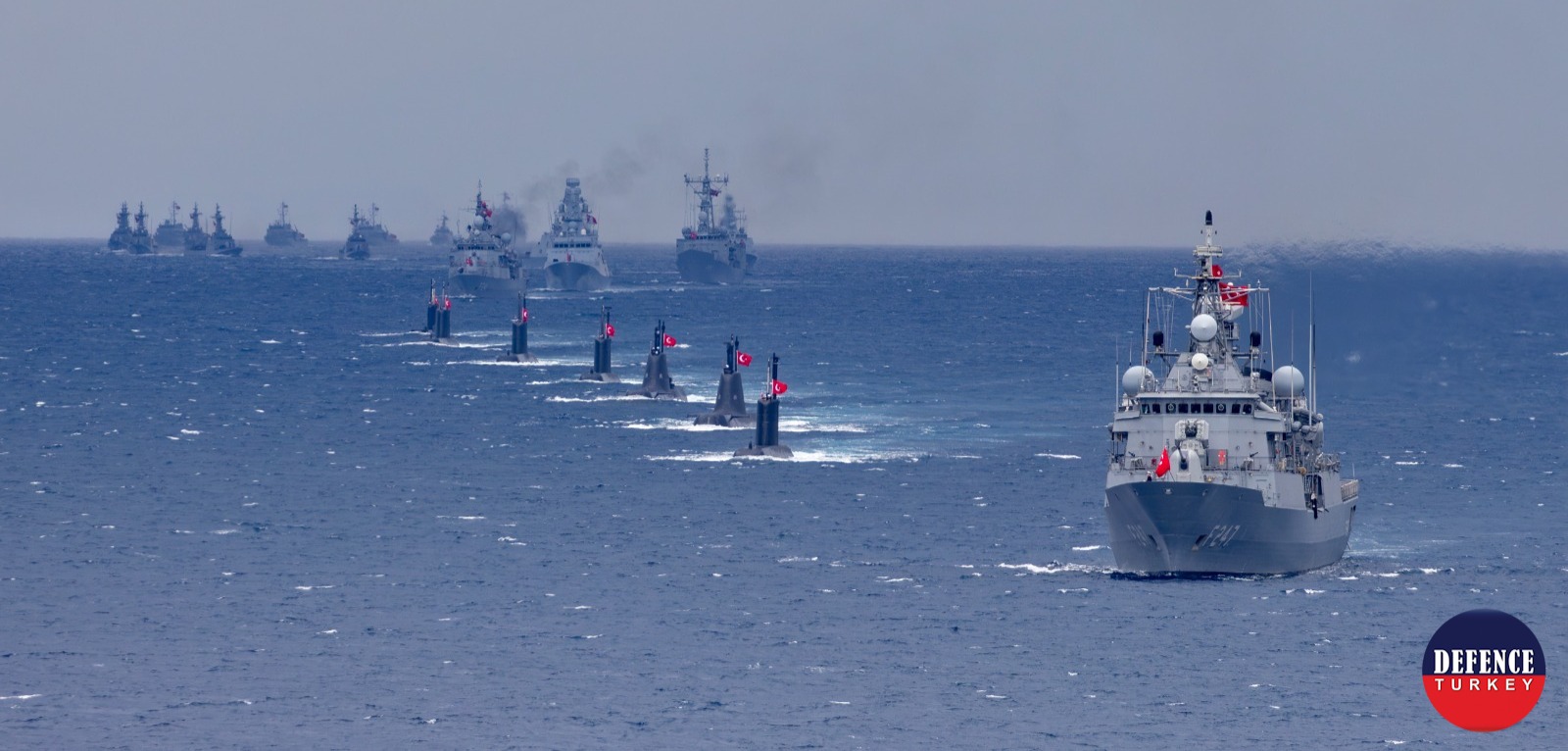
Today, Türkiye ranks among the top 15 arms exporters globally, with over $7 billion in exports by 2024. Bayraktar TB2 UAVs have been exported to over 30 countries and used extensively in Ukraine and Azerbaijan. The KAAN fifth-generation fighter and MilGem-class warships have garnered interest from Indonesia, Pakistan, and Ukraine. Türkiye’s market competitiveness stems not just from cost efficiency, but from its flexible end-user agreements and the combat-proven status of its platforms.
Collaboration and Contribution
Turkish defence industry provides significant operational capabilities by contributing to the collective security of the alliance. The contributions of the Turkish defence industry to NATO's defence can be evaluated under two main categories, which are "capacity" and "cooperation". The Turkish defence industry has produced a wide range of products, most of which have proven themselves under real operational conditions. In addition, it contributes to the development of military-industrial cooperation and thus to the strengthening of the alliance's collective defence through training, maintenance, participation of domestic industry in the recipient country and joint development/production activities on these products.
In the process of establishing its defence industry, Türkiye used cooperation with NATO allies as the main source for technology and experience in the 1980s. During the establishment of the defence industry infrastructure, companies such as TUSAŞ Aerospace Industries aircraft production in partnership with TUSAŞ and General Dynamics within the scope of the F-16 project, TUSAŞ Engine Industries (TEI) in partnership with TUSAŞ and General Electric, and FMC Nurol Defence Industries (FNSS) in partnership with Nurol and FMC were established. This period, which started in 1985 and lasted until the early 2000s, witnessed a process of experience acquisition and infrastructure construction, first with assembly under license and then with production projects. For example, the local contribution rate in the body production of the F-16 project increased over the years and a considerable human resources accumulation and production capability began to form in the manufacturer TAI. Similarly, companies such as FNSS, ASELSAN, and ROKETSAN rapidly developed their experience pools and capacities with production under license and international cooperation projects. Becoming a member of the Stinger joint production consortium and laying the foundations of the infrastructure for missile technologies at ROKETSAN through this project is a good example of this contribution.
An indirect result of the development process summarized above was that the sector began to develop the capacity and self-confidence to undertake larger and more ambitious projects. Starting from the second half of the 1990s, the national defence industry began to develop original design system solutions and to establish design and development capabilities in areas such as land vehicles and communication systems. Here again, the primary address for cooperation was NATO allies. The A400M transport aircraft development project and subsequently its participation in the F-35 Joint Strike Fighter program as a participating country from the beginning are important turning points in terms of both strategic orientation and the development of industrial capacity.
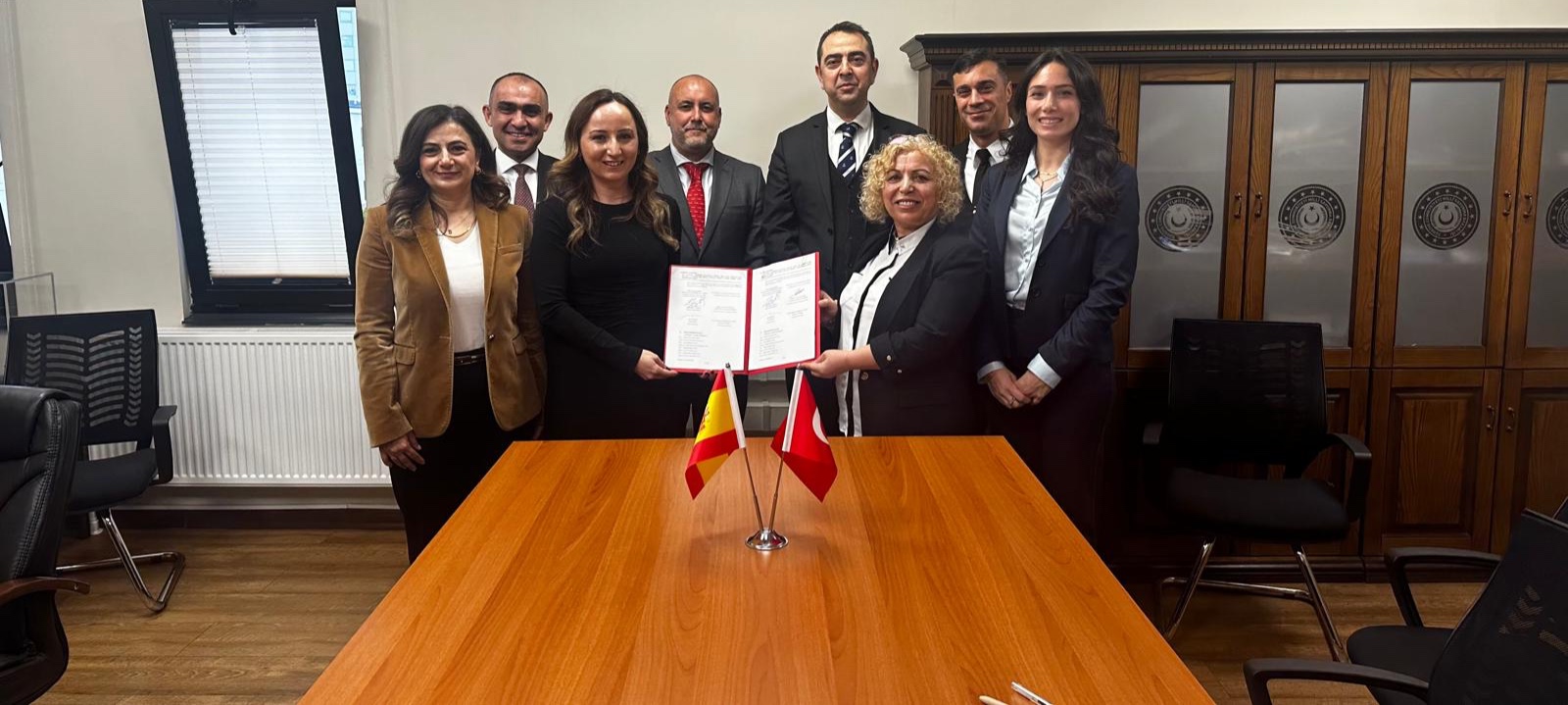
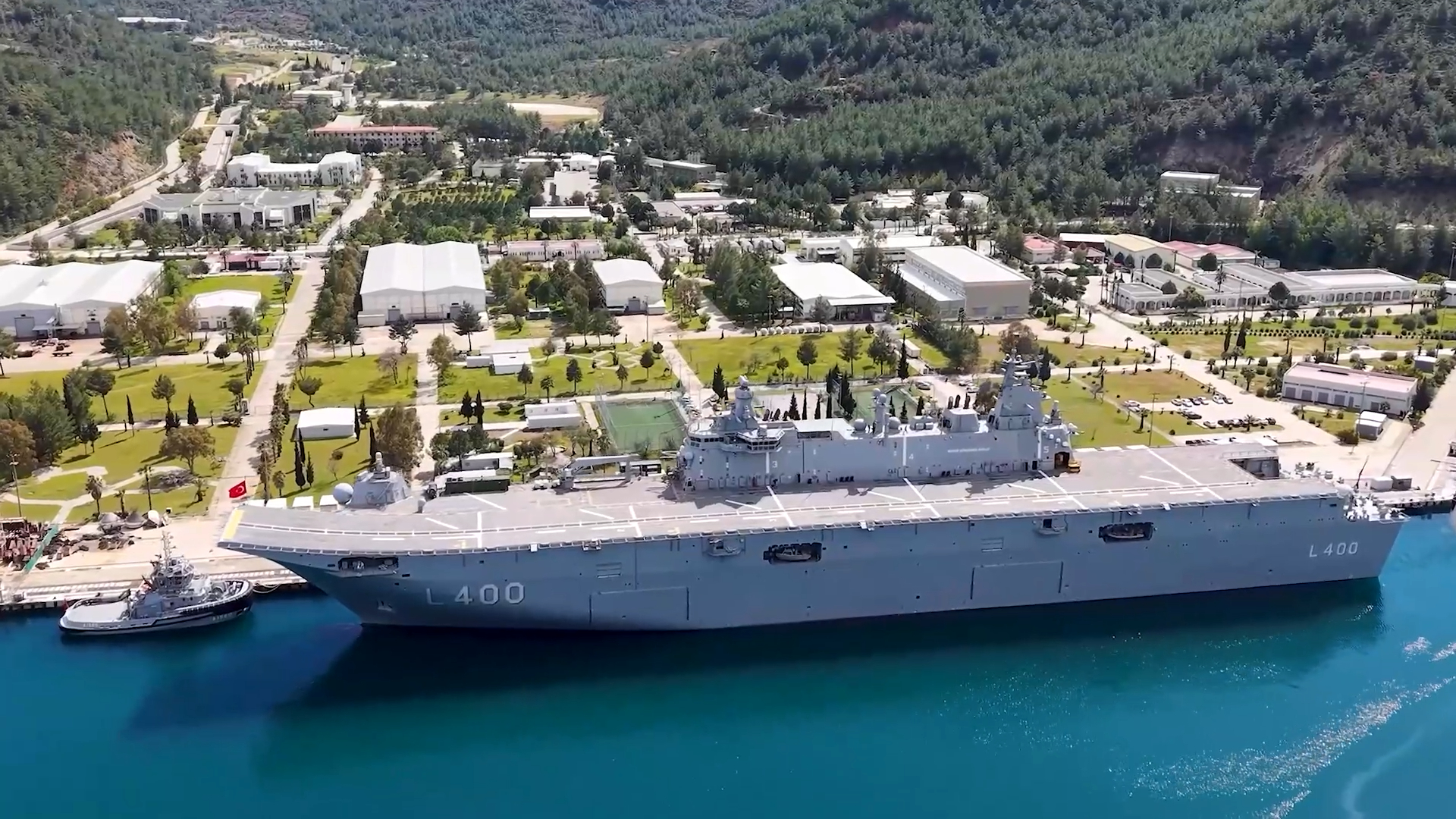
As original design and development projects matured from the 2010s onwards, Türkiye's defence industry cooperation with NATO member countries has focused on subsystems, critical components and technology items, as well as engineering and consultancy. An important example of this transformation is the consultancy and technical support service received from the British BAE Systems company in the National Combat Aircraft (MMU) project. Similarly, long-term and deep industrial cooperation has been carried out with Spanish and German defence companies in the TCG Anadolu amphibious assault ship and the Reis class Type 214TN model air-independent propulsion system submarine projects, respectively.
Turkish defence technologies and products, primarily UAVs, guided weapon systems, electronic warfare systems and armoured vehicles, have been shaped within the framework of fight against terrorism and multidimensional regional security threats that Türkiye faces. The urgency of the needs and use in real operational conditions have triggered the establishment of a close working and cooperation mechanism between the end user and the defence industry. The TAF and security forces, sector companies and academic institutions have developed a culture of working together in the maturation, verification and revision of product designs. This process has strengthened the defence industry's function not only as a sector producing commercial products but also as an element of military capacity.
In the export of its products that have proven themselves and matured in operational conditions, Türkiye attaches importance not only to a commercial relationship with the recipient country, but also to the development of military and industrial cooperation. Experience transfer in processes such as operational concept, usage doctrine and logistic support; military with the recipient countries through contribution to training and sustainment activities; domestic industry, sustainment, and joint production programs are also being developed in industrial cooperation. This multi-dimensional cooperation approach serves to strengthen military and even strategic relations between the allies and, in a broader context, the alliance structure of NATO.
A similar stance is also observed in Türkiye’s strategy of actively participating in the joint development and production processes of long-term, sophisticated and comprehensive projects carried out within the alliance. The A400M transport aircraft project is a striking example of this approach. Through the project, the Turkish defence industry has provided significant experience and knowledge transfer from its European stakeholders; made critical contributions to the project and ultimately assumed an important role in developing the strategic force projection capability of NATO's European members.
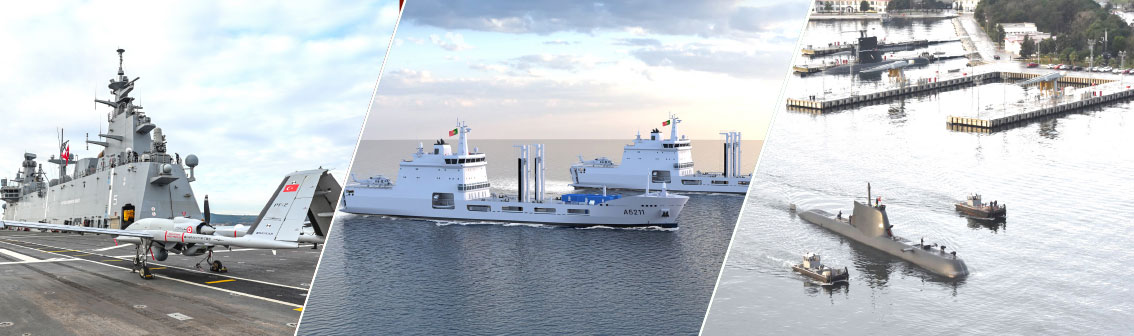
It is noteworthy that the sophistication and diversity of defence products provided by Türkiye to NATO allies have been improving in recent years. The sale of Bayraktar TB2 armed UAVs to Poland, Albania, Romania and Croatia; the signing of two supply ship contracts for the Portuguese Naval Forces and the memorandum of understanding for the purchase of the Hürjet advanced jet training aircraft for the Spanish Air Force can be cited as examples in this context. The land vehicles sector, one of the strongest components of the Turkish defence industry, also has an important place in industrial cooperation with NATO member countries, as seen in the sales of Cobra II 4x4 to Romania, NMS 4x4 and Arma 6x6 to Estonia, and Ejder Yalçın 4x4 to Hungary.
Opportunities and Risks in NATO Defence-Industrial Cooperation
Türkiye’s pursuit of strategic autonomy introduces both new possibilities and inherent tensions. On the one hand, its cooperative posture—marked by flexible export terms and willingness to co-develop—offers opportunities for smaller NATO allies to upgrade their defence capabilities. On the other, diverging foreign policy interests and procurement priorities have strained relationships, most notably with the United States and France.
Sanctions related to military operations in Syria and the S-400 purchase highlight the risks of political-military misalignment. These episodes disrupted joint programs such as the F-35 and prompted a diversification of Türkiye’s supply chain. While necessary from a resilience perspective, such shifts challenge NATO’s coherence.
Nonetheless, Türkiye’s pragmatic approach to third-country exports and co-production—especially in the Balkans, Central Asia, and Africa—aligns with NATO’s broader goal of burden-sharing and regional stability.
There are substantial areas for expanded cooperation between Türkiye and NATO allies:
Emerging Technologies: Joint initiatives in AI, hypersonics, cybersecurity, and electronic warfare.
Subsystem Integration: Co-development of engines, radars, and communication systems to support allied interoperability.
SME and Startup Engagement: Leveraging the NATO DIANA initiative to integrate innovative Turkish firms into alliance-wide ecosystems.
Export Partnerships: Joint market development in third countries, utilizing Türkiye’s diplomatic reach and industrial capacity.
The ongoing reconfiguration of Europe’s security architecture post-Ukraine war, and renewed investment in military modernization, creates a favourable climate for such engagement.
Conclusion
The competence and potential achieved by the Turkish defence industry, together with the influence of geopolitical factors and technological developments, offer significant opportunities for Türkiye to develop defence cooperation with other NATO members. In order to evaluate these opportunities, some facilitating and guiding policy steps need to be designed. It is possible to group these steps under political, industrial and military headings.
On the political level, in order to develop defence industry cooperation, it is critical to establish a common understanding that will prevent conjunctural or regional differences of opinion and interest between member countries from affecting the nature and course of relations. Disputes between member countries need to be managed with a trust-based approach that will prevent them from damaging the aim of establishing a common defence capacity at the macro level and the spirit of the alliance. In this context, it is important to establish communication and coordination mechanisms not only between the state administration or government but also between industry, academia, armed forces and other actors.
Secondly, the identification of bilateral cooperation opportunities within the alliance and the progress towards this goal should be encouraged through concrete, target-oriented projects. Project and investment-based cooperation have the potential to form the basis of political and strategic cooperation in a broader context. The defence projects that Türkiye has recently carried out with England, Italy and Spain and finally the process that started with Baykar Makina's purchase of the Italian aviation company Piaggio Aerospace can be given as examples of this phenomenon.
Technology transfer mechanisms should be encouraged at the industrial level, and communication and cooperation between companies and research centers should be encouraged in this direction. The DIANA initiative implemented by NATO stands out as an important tool in this context. Joint projects focused on risk and cost sharing of small and medium-sized companies and start-up initiatives can be supported by state mechanisms. Based on the fact that it can produce much faster and more efficient results than relations between states, cooperation channels between companies should be developed.
As another industrial policy approach, the selection and prioritization of areas for joint development and production projects based on mutual benefit are important. Clearly identifying the needs and current capacity of target countries and regions and determining the cooperation strategy in line with these determinations will prevent waste of resources and increase competitiveness.
Finally, joint efforts should be supported on the military level in terms of threat perception, operational concepts and priorities. Such cooperation will help shape the development and production plans of defence companies and also ensure interoperability. In addition, joint training, exercises and other military activities to be carried out within the alliance will be beneficial in terms of developing cooperation and harmony not only between armies but also between defence bureaucracies and sectors