Anatolian Eagle Exercise 2022/2
As one of the 3 important aviation tactics training centers, the Anatolian Eagle Training Center (AETC) hosts many training exercises such as; in September 2010 the Türkiye & China “I know Kungfu in Bilateral training”, March 2012 Türkiye, USA “Anatolian Falcon”, September 2014 Turkey & Pakistan “TUSAP Raiders”, March 2015 Türkiye & Azerbaijan “Turaz Falcon”, April 2015 Multinational “Isik-EX” search and rescue, May 2015 “Nato Tiger Meet”, which demonstrate the capacity and ability to plan and execute different training and exercises.
The AETC was established to prevent the loss of pilots who may be lacking in experience of possible future wars, to prevent loss of aircraft during times of peace, and to exchange experience across nations and forces. In order to bring these aims into reality, in 1997 the Turkish Armed Forces conducted a study with six F-16 aircraft in the Turkish Air Force with 57 personnel that had joined the Red Flag Exercise at Nellis AFB and began to create the main structure of the AETC. With infrastructural work between 2000-2001 and the Anatolian Flag exercise held at Incirlik Airbase in 1998, also with the work of the Head Quarters June 2001, Electronic Warfare Systems, additional working spaces, accommodation buildings were completed, and the center reached the capacity it has today.
As one of the 3 such centers in the world, the AETC is the one and only center in Europe, which makes it a preferred center as it enables easy transport of personnel and vehicles for European and middle eastern countries, saving both time and money.
The first Anatolian Eagle Exercise was held with 3 countries including Türkiye in 2001, and now in its 21st year, the exercise has participants like Türkiye, USA, Israel, United Arab Emirates, Germany, Jordan, Qatar, Netherlands, Italy, Pakistan, France, Belgium, the United Kingdom, Spain, Saudi Arabia and NATO. 25 international and 21 national exercises have now reached a total of 46 total exercises with over 25,000 sorties.
This year’s exercise, Anatolian Eagle 2022 included two Su-25 from Azerbaijan, four Typhoon FGR.4 from the UK, six F-16AM/BM from Pakistan, three F-16AM/BM from Jordan, one E-3A from NATO, one AKINCI TUAV, one ANKA-S UAV, two Frigates from the Turkish Navy, one KC-135R, one E7-T, and 31 F-16C-D Falcons from numerous squadrons. A total of 274 sorties were carried out with the participation of 1,335 personnel.
The purpose of the exercise is to minimize losses and maximize opportunities in a real war by increasing training and experience in joint warfare of all participants, foster the exchange of knowledge, ability and experiences across the combined forces.
The planning for the international part of the exercise begins eight months prior to the exercises with a pre-planning conference, at the Air Force Command level. National and international participants define their training requests at this conference. Considering these requests and needs, the planning phase continues for the area defined as from north of the Salt Lake to the Mediterranean Sea through Cyprus, an area of 127,000 square kilometers, from sea level to 50,000 feet, where there is enough space for 50-70 aircrafts to train easily. The priority when creating the mission is to generate the most realistic operational training area for mission ready aircraft. Pilots are provided the opportunity to realize their planned tactics in formations within a larger power. The Center has opportunities for pilots to exchange ideas, share experiences and by utilizing Ground Control Interception (GCI) they can differ their appearance in exercises with different mission profiles, enabling real war scenarios and related survival methods, all provided by the center.
In this year’s recent exercise there were three Headquarters: White, Red and Blue. The main scenario of the exercise was the attack by Blue forces with composite air operations (COMAO) on tactical and strategical targets in Red country defended with fighter jets and Ground to Air Defense systems.
White HQ was the command where planning and analysis was conducted. The Command Control Center was located in the same building with the Main Briefing Salon, Air Combat maneuver data from ACMI pods was processed and visualized here. Red forces could not enter other buildings, they could only plan and carryout briefings at their Red HQ. The 132nd Hançer (Dagger) squadron has been performing aggressor missions successfully for many years.
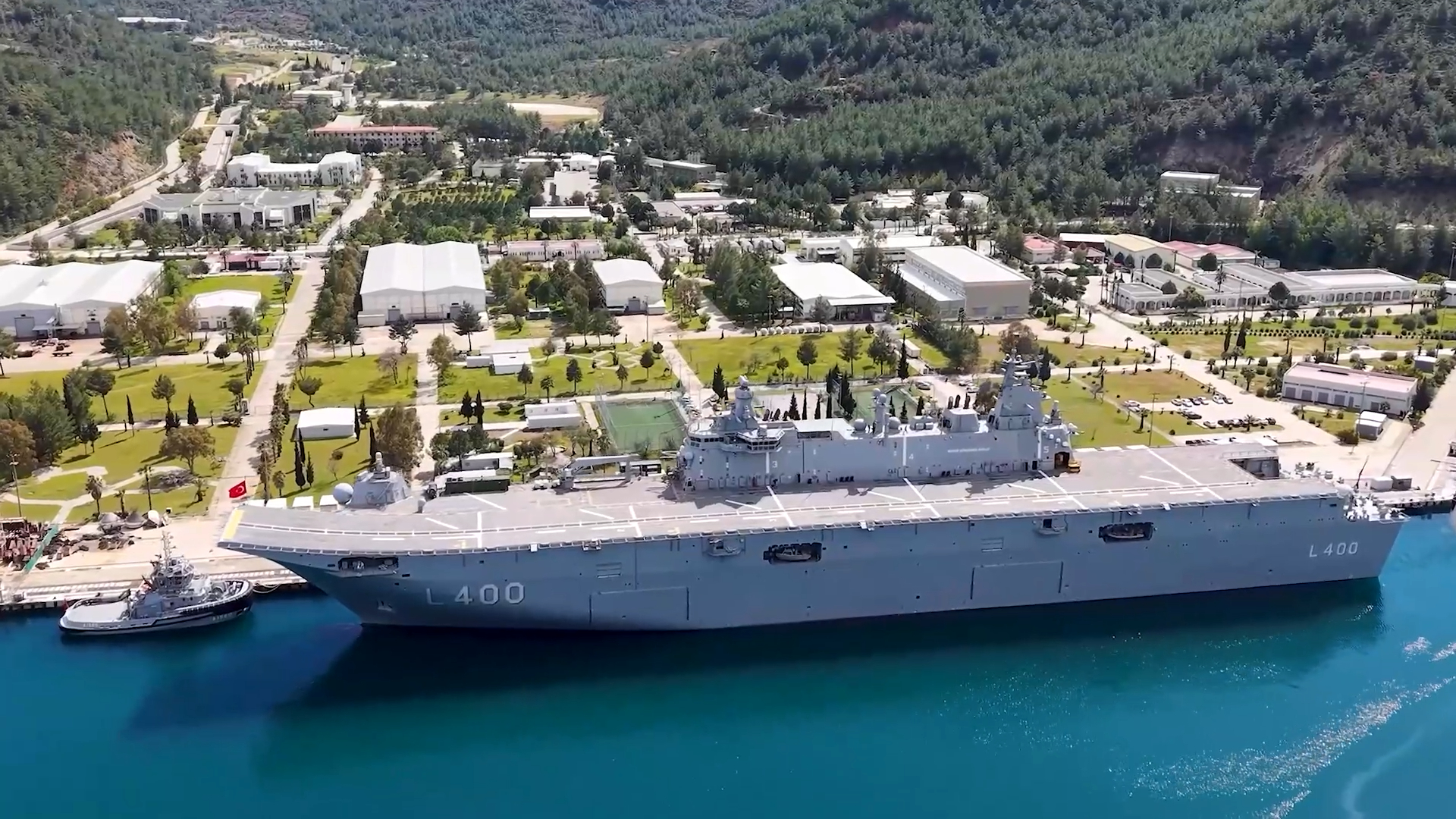
In addition to NATO AWACS (Airborne Warning and Control System) aircrafts, the Turkish Air Force’s 131st squadron supported the exercise by providing ground control service for Blue forces through the management of these planes. The radar system at the base had the same service for Red forces as well. Search and Rescue services were managed by the 135th squadron at the Konya AFB for the Blue forces.
The missions for the training’s COMAO were; Air to Air Autonomous Operation, integrated Combat Search and Rescue (CSAR) to the COMAO, Time Sensitive Targeting (TST Box), Attacks on Sea Mission Group (ASUW), Dynamic Targeting, Supporting and Protection of Low Speed Aircraft (SMP) and integrated CSAR, Convoy Protection (CP integrated TST), Close Air Support (CAS), Attack and Protection for High Valued Aircraft (HVAA), Air Combat Training of Similar Type Aircraft (ACT), Air Combat Training for Different Type Aircraft (DACT), Tactical Interception (TI), Tactical Air Support for Maritime Operations (TASMO) and Anti Surface Force Air Operations (ASFAO).
NATO DACCC
Staff and equipment from NATO’s Deployable Air Command and Control Center (DACCC) started the 2,500 km journey from Poggio Renatico, Italy to Konya Air Base, Türkiye for exercise Ramstein Dust-II 2022 (RADU-II/22) at the beginning of June 2022. A convoy of 30 military trucks packed with the entire Deployable Air Control Center, Recognized Air Picture Production Center/Sensor Fusion Post (DARS), deployed from the DACCC home base in Italy. The deployment phase is a key part of the training for DACCC staff, ensuring they can rapidly transport key equipment via land and sea to Türkiye and then establish the Air Control and Battle Management systems necessary to enable air operations in a remote location.
RADU II/22 also integrated the tactical live flying phase of the Turkish-led exercise, Anatolian Eagle 22 (AE22), from 20 – 28 June to enhance NATO’s Integrated Air and Missile Defense (IAMD) posture and improve interoperability. The ability to deploy and conduct exercises with NATO systems, capabilities and personnel, working together with significant Host Nation Support, reflects the resolve and cohesion of the Alliance. Comprised of personnel from DARS, along with the Deployable Sensor Section, the current DACCC deployment provided a Control and Reporting Center (CRC) for seamless air command and control for RADU-II/22 in Konya. Integrating participating forces in a combined scenario offers unique training opportunities for all participants regarding NATO crisis and conflict large-scale operations procedures.
AKINCI TIHA (TUAV)
Another new element within the exercise was the addition of the Baykar AKINCI TUAV (Tactical Unmanned Aerial Vehicle). AKINCI, which was designed for more range, operation ceiling and payload, was added to the inventory of the Turkish Air Force, after the TB-2 with its much-lauded performance in recent conflicts. AKINCI can stay airborne for 24 hours, climb to an altitude of 40,000 feet, and can carry payload of 1.5 tons, with MTOW 6 tons. AKINCI completed the reconnaissance mission first in the exercise, where it succeeded in ASFAO (Anti Surface Force Air Operations), in which the representative enemy brigade is detected & diagnosed without entering air defense missiles range. The coordinates of the target brigade were transferred to the fighters waiting for the assault. With this assistance the F-16’s flying with SLAM-ER could plan the attack and executed simulated firing from a long distance. Another mission success was the detection of the vehicle which belonged to the representative terrorist group and the destruction of the vehicle with the ammunition it carried.
A typical Anatolian Eagle-day starts at 7:30am with briefings, one Eagle flight requires a total time of 8 hours for briefings, flight and debriefing. A pilot spends 13 hours of each day preparing for 20-30 minutes of flying, including 5 hours of planning the next day.
Let’s take a look at the squadrons/planes that attended this year’s Anatolian Eagle exercise:
Azerbaijan Air Force
2 x Su-25 411th Main Jet Base from Kürdəmir-Azerbaijan
Pakistan Air Force:
6 x F-16AM/BM No.11 Squadron “Arrows” from Jacobabad-Pakistan
Jordan Air Force:
3 x F-16AM/BM 1st Fighter Squadron from MuwaffaqSalti Air Base-Jordan
United Kingdom:
4 x Typhoon FGR.4 No 3 (F) Squadron from 140 Expeditionary Air Wing
Turkish Air Force:
5 x F-16C/D 113th Squadron “Ceylanlar” from 1st Main Jet Base- Eskişehir
1 x E-7T 131th Squadron “Ejder” from 3rd Main Jet Base-Konya
10 x F-16C/D 132nd Squadron “Hançerler” from 3rd Main Jet Base-Konya
6 x F-16C/D 151st Squadron “Tunç” from 5th Main Jet Base-Merzifon
4 x F-16C/D 161st Squadron “Kartallar” from 6th Main Jet Base-Bandırma
3 x F-16C/D 181st Squadron “Parslar” from 8th Main Jet Base-Diyarbakır
3 x F-16C/D 191st Squadron “Kobralar” from 6th Main Jet Base-Balıkesir
1 x ANKA-S 302nd UAV Squadron “Şimşek” 10th Main Jet Base-İncirlik
1 x AKINCI 14th UAV Base-Batman
Turkish Navy:
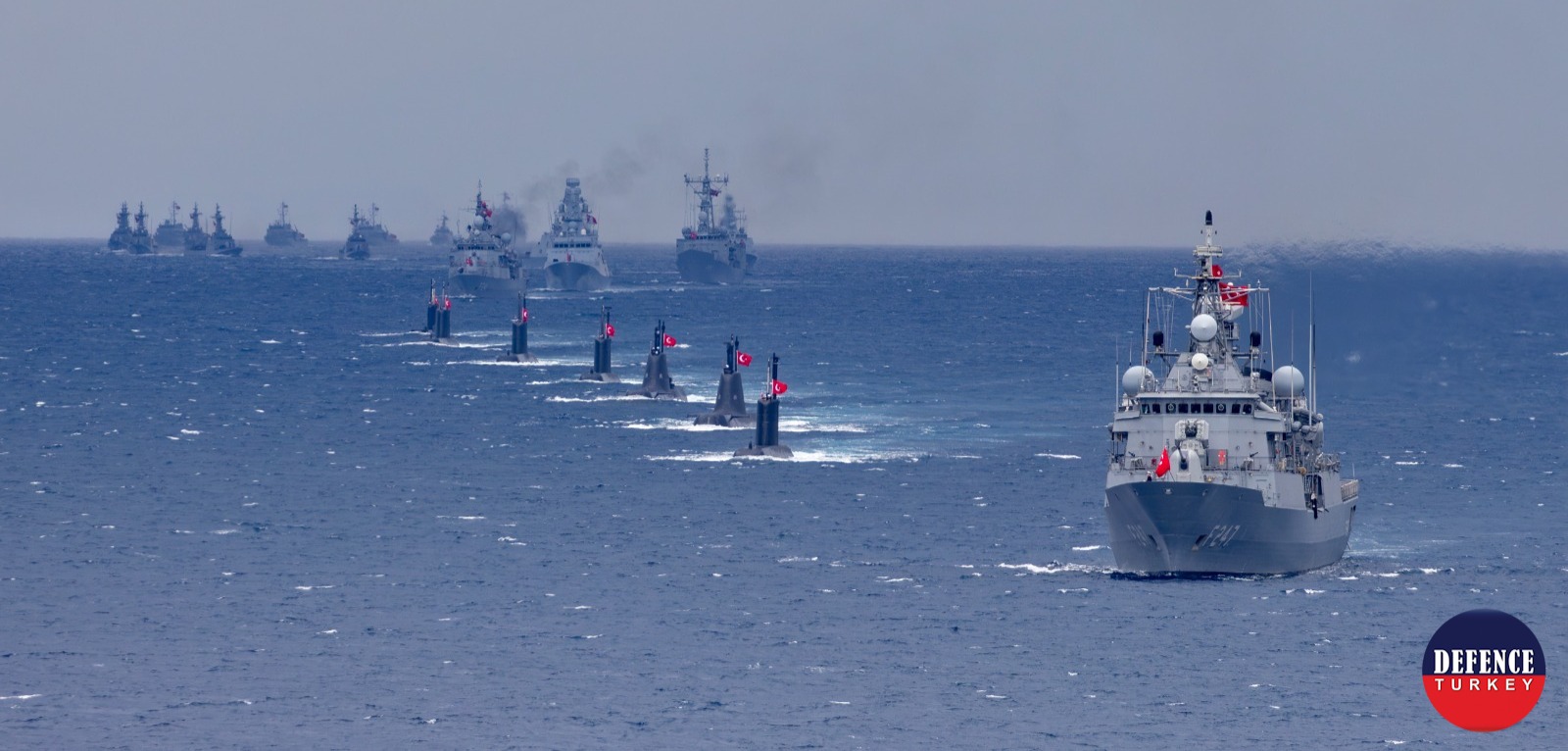
1 x Perry Class Frigate
Along with these military forces, the Turkish Air Force admit into the Konya AFB to over 600 spotters from all around the world, which permitted aviation and photography enthusiasts a spectacular chance to observe, take it all in and capture some truly amazing photos