Are We Ready for the Wars of The Future
Self-repairing armors, rapid injury treatments, wings taking shape according to the speed level, hypersonic flight, goggles detecting faults… These technologies that may seem as parts of science fiction movies will be part of the combats and armies in the future.
STM Savunma Teknolojileri Mühendislik ve Ticaret A.Ş, an affiliate of the Undersecretariat for Defence Industries, made the analysis of the battle field of the future. There are striking determinationsin the article, where the wars of future will be increasing in which fields and which technologies will start to enter the battle fields, are analyzed. The need for the combats to be conducted by new tactics and systems in line with the development of communication technologies, geo-political developments and the emergence of non-state actors (organizations, micro nationalism, and terrorism) is being underlined in the article.
Biotechnology and Robotic Developments
The time, infrastructure and budget required presently for training and competence of the soldiers in various levels such as the Special Forces’ personnel, combat pilots and radar operators have reached a challenging level for many modern armed forces. In the study, where the need for maximizing the level of protection of the aforementioned personnel against physical and mental risks during clashes is stressed, the following points are mentioned: “The wars being conducted in challenging environments such as cities, forests or mountainous regions rather than open battle fields against asymmetrical threats and the decreasing personnel number of the armed forces increased the psychological and physical load on the soldiers. When the communication, target acquisition, command-control and weapon systems with increasing numbers and variations as a result of the developing technology is added to this, the load the soldier bears became unmanageable only through special trainings and exercises. Within this framework, the additional solutions that immediately treat the injuries and traumas, ease the orientation of the soldier to the conditions of the environment and increase the soldier’s agility, strength and psychological balance are expected to emerge in the upcoming period”.
Nanotechnology and virtual reality
In STM’s article, it is stated that the Nano technologies and the developments in smart material would enable the production of the self-repairing material with pattern memories that could adapt themselves according to the temperature and other similar circumstances. As a result of this, it is underlined that armours capable of repairing themselves when damaged, plates that enable the high strength in low weights and volumes, or airplane wings that are able to take the most convenient form according to the speed or altitude levels would be possible.
Three dimensional outputs will enter the battle field
Three dimensional production technologies’ (introduced as pioneers of a new industrial revolution) entry to the battle field is mentioned in the article in addition to the following statements: “As this technology provides the automation of all industrial processes from design to production, it enabled the development of the concepts such as remote production and unmanned factory. Therefore, for instance the armies are capable of immediately manufacturing the spare parts they need in the forward operating locations and thus they avoid the complexity of the supply lines”.
Fourth Generation Combat
It is stated in the article that this new approach that is named as the “Fourth Generation Combat” would be employing smaller military units with higher operational capabilities that are connected to each other in a network-centric structure and use them as part of the political, economic or social operations.
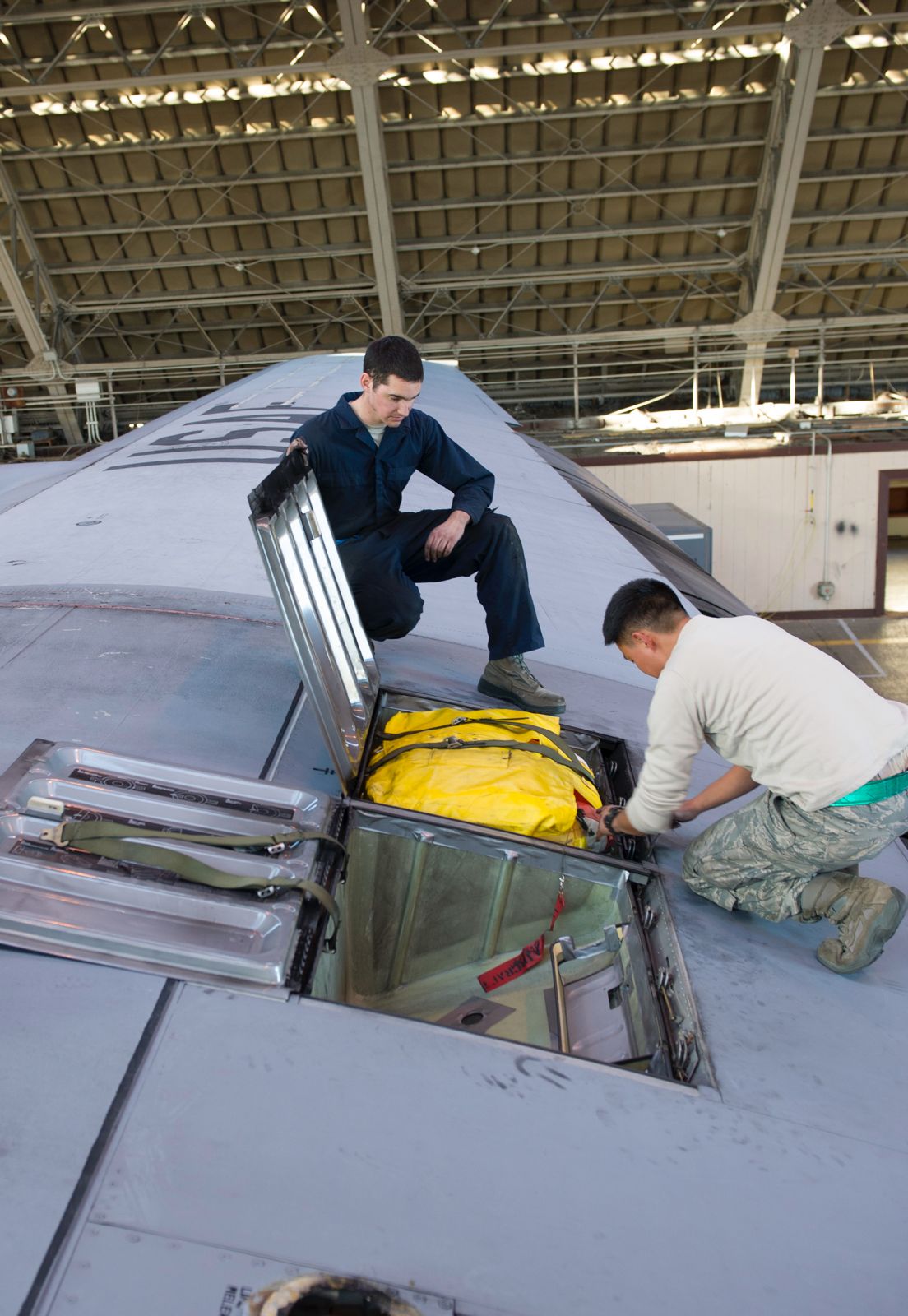
While emphasizing the rapid development of the Information and Communication Technologies (ICT) especially in the last quarter of the 20th century, the following point is underlined: “The developments in the ICT area result in whether military or civilian, nearly all systems and equipment to feature a computer component. In consequence of the developments in ICT area, 3 dimensional virtual reality solutionsas a result of the increase in computers’ processing capacities began to be utilized more in the military and civil sectors. These technologies enabled the training of the personnel for preparing themselves for tasks with high risks and created virtual laboratories similar to potential operation environments. Modelling and simulation technologies provided added value in the areas such as training, decision-support and status analysis.For instance, the maintenance personnel are able to detect the broken part in the engine with the virtual reality goggle they wear, then visualize the repair and changing procedures of this part and share the data they receive through the network.”
Hypersonic Flying Missiles
In the article, it is stated that in line with the developments in fuel and power systems, systems such as the unmanned platforms that are able to operate uninterruptedly for 24 hours or more or missiles that could fly long distances without requiring refuelling would now be possible. Another recent study in this area is the hypersonic aerial vehicles that are able to fly 4-5 times faster than the sound and it is mentioned that with these missiles, a target that is thousands of kilometres away can be shot within minutes.