Honeywell: Targeting Partnerships for the Future of Turkish Defence
Reports from earlier this year show that Turkey is the world’s 15th top military spender, unsurprising given the political tensions surrounding its borders. But today this budget is being stretched further than ever beforeand the country must continue to do more with what it has available in order to maintain its national security.
One considerable challenge facing Turkey lies in the increasingly sophisticated, broadening range ofthreats to its security; threats that require a greater spread of technologies and capabilities to suppress. Alongside this, the government has made its intentions regarding an indigenous defence force clear. A little over a decade ago, Turkey’s defence industry was 80 percent foreign dependent, according to Defence Minister Ismet Yilmaz. However today Turkey is no longerrelying so heavily on imported technology and has placed its focus on indigenous growth, with defence exports of more than $1.6 billion a year. In the long term there are cost efficiencies and economic growth to be gainedfrom this strategy, yetit cannot be achieved overnight by domestic companies building new technologies from the ground up.
The good news is that Turkey has an excellent pool of engineering talent and companies such as Aselsan, Havelsan, Roketsan, TAI and STM are internationally recognised as leaders in their respective fields when it comes to innovating world class defence technologies. But with SSM ensuringthat indigenous platforms are equipped with the absolute highest levels of cutting-edge innovation, there is still a benefit to sourcing capabilities from overseas too. In fact, foreign-domestic partnershipsare now critical to the success of country’s defence strategy.
Such partnerships bring engineering excellence from around the world into the country, and should enable local companies to take an increasingly large share of the design, manufacture, deployment and export of new technology as a result. The foreign company benefits from access to new domestic and overseas customers and strengthens their ties within the country. The local company can access new levels of engineering heritage on which to put their own skills and capabilities to work, ultimately resulting in highly exportable and successful defence products.
It should be considered however that for the foreign company there is a balancing act between the benefit of greater local market access and handing over technological intellectual property and potentially even its customer base. This is why that while partnerships are going to be vital for Turkey’s long term defence strategy in theory, they are not always easy to negotiate and implement in practice.
At Honeywell it is something we have been doing for many years, in Turkey and in scores of other countries around the world. This experience enables us to remain in tune with the needs of the local defence industry, its policies, regulations and level of technological capability. By assessing these factors we are able to effectively engage Turkish defence contractors in partnerships that pave the way for collaboration on future technologies and services as they are required by the country.
Earlier this year we signed just such an agreement with Aselsan, while at the IDEX show in the United Arab Emirates. The Memorandum of Understanding sets a framework for our two companies to more efficiently collaborate on new products and solutions in the future and combine the best of our respective capabilities. At Honeywell we are eager to explore more opportunities for agreements like this that help meet the government’s local engineering requirements.
One of our longest standing partnerships in Turkey is with TAI. Our LHTEC 50/50 partnership with Rolls Royce, for example,supplies the CTS800 engine for TAI’s T-129 attack helicopter -- an excellent case study for how a foreign-domestic partnership can generate a world class, extremely capable military aircraft platform. In addition, Tusas Engine Industries contributes to the engineering of the CTS800 at a local level and we continue to explore opportunities on new programs to increase its workshare.
At its core, the CTS800’s high power-to-weight ratio, simple design for low through-life costs and class-leading fuel consumption makes it an easy-to-justify powerplant for militaries looking to bring new levels of performance and cost efficiency to their rotorcraft fleet. With Turkey embarking on a significant overhaul of its current rotorcraft fleet, and new platforms such as the Turkish Light Utility Helicopter being planned, we believe there is considerable potential for this engine to support future rotorcraft programs in Turkey in the future.
While these partnerships cover what one may call “traditional” military technology investment, there is, as previously mentioned, a growing need to strengthen Turkey’s defence capabilities in a number of emerging areas. One that has been getting considerable press in recent months is in the area of cyber warfare. The reality is that antagonists that pose a direct threat to Turkey’s security are becoming increasing sophisticated. Today cyber warfare has become a serious concern for the military, and in this respect Turkey is not alone. Many countries around the world are investing quickly to strengthen their own cyber capabilities.
At Honeywell we are mindful of this threat and the challenge is poses to already under pressure defence budgets. Our Honeywell Technology Solutions Inc. (HTSI) business has a long history of developing and consulting on a wide range of electronic and cyber security solutions for the modern defence department.
HTSI is Honeywell’s professional, technical and logistics services organization. It provides an array of services and customised solutions for defence agencies, government agencies and corporations worldwide, including logistics support, vulnerability assessments, system design, cyber defence applications and physical security solutions to fit virtually any requirement. With Turkey increasing its focus on cyber warfare, combined with its already substantial and growing pool of talent and capability in electronic engineering, we are active in exploring partnership opportunities and the chance to introduce our cyber capabilities to Turkey in the future.
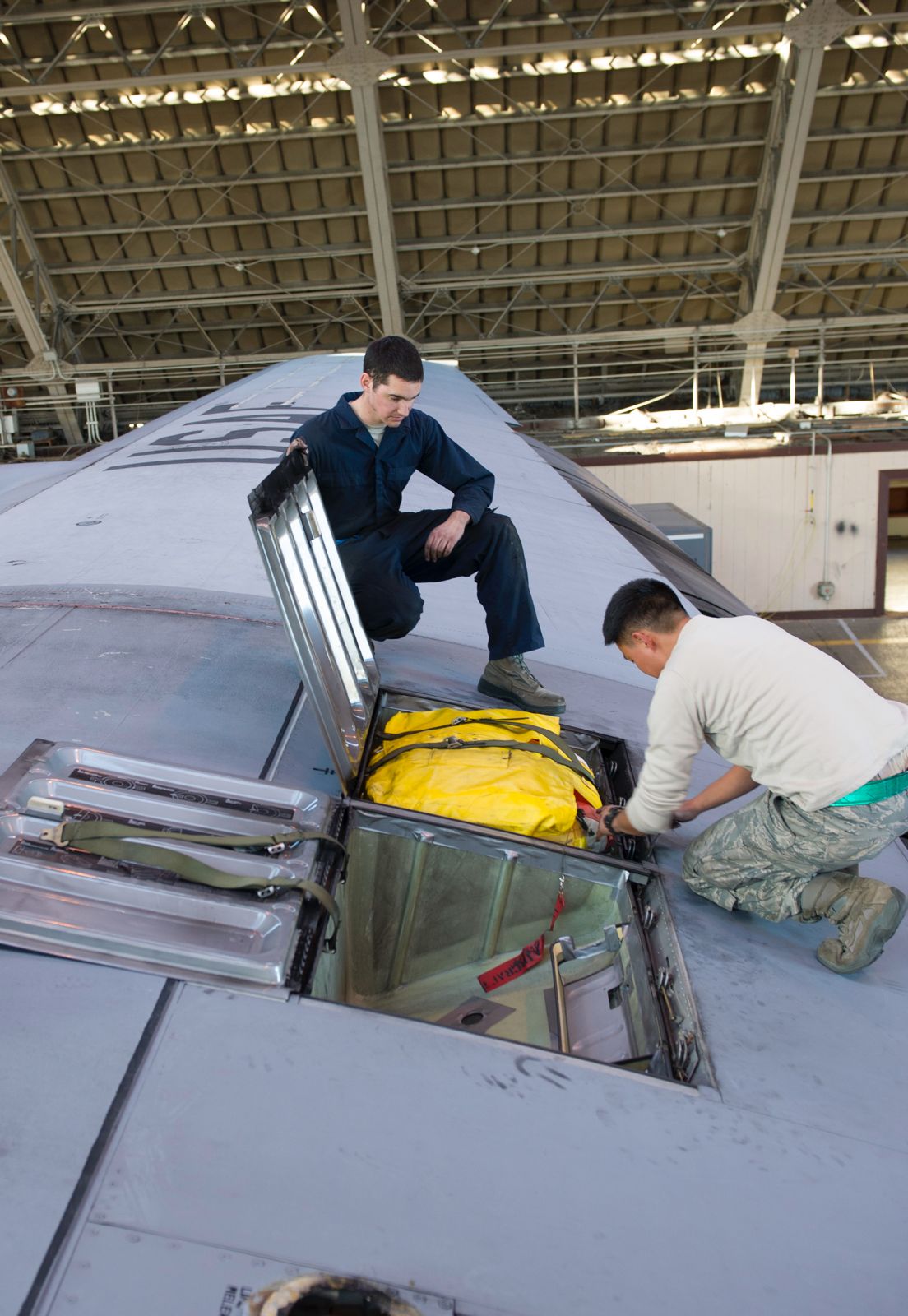
While partnerships are inevitably forming a significant part of our long term defence strategy for Turkey, there are also many capabilities we can bring to the table directly. In particular our portfolio of retrofits, modifications and upgrade technologies can breathe new life into existing fleets. This is an important business area for us while the military continues to fight to do more with what it has available.
Honeywell already has a significant amount of content flying on Turkey’s defence fleet today, and we are present in the region to provide aftermarket support such as and servicing and upgrades to ensure the military benefits from maximum possible uptime and extended capability of its in-service platforms. The Bell UH-1H helicopter, for example, which is a long-serving member of Turkey’s rotorcraft fleet, is powered by Honeywell’s T53 engine, while its bigger brother - the Honeywell T55 - is the powerplant for the CH-47 Chinook, the latest heavy lift helicopter to enter Turkey’s Air Force.
We also supply technologies and upgrades such as inertial measurement units, auxiliary power units, colour displays, ground proximity warning systems, navigation, weather radar, traffic avoidance and other systems that improve efficiency, performance and safety for aircraft such as the F-16, C-130 and UH-60 that are currently flown by Turkey’s Air Force.
With the government’s focus on indigenous defence growth, there is a huge amount of excitement and interest in what the country’s private and public defence suppliers are able to achieve in the coming decade. They have the right skills, the right industry footing and a significant market opportunity for success. But companies like Honeywell still have an important role to play and a significant and growing business opportunity to capitalise on. Our long standing technological heritage, combined with our understanding of how to do business in Turkey means we can not only bring advanced systems into the country that extend military capabilities and upgrade existing platforms and systems, but we can be the perfect partner to Turkey’s growing domestic defence companies. Through new partnerships and collaborative agreements with companies like Honeywell, Turkey has never been better placed to create its own highly advanced, capable and globally exportable defence industry.