``Our Plan Involves Establishing New Units to Provide Coverage Across the Entirety of Türkiye``
Defence Turkey: To begin, could you please provide us with an overview of the historical background of the Gendarmerie Aviation Department?
Colonel Bayram KIRMIZI: In 1968, the first Aviation Unit of the Gendarmerie General Command was established in Diyarbakır under the name of "Light Helicopter Unit." Its primary objective was to offer aviation support to Gendarmerie Units situated in the Eastern and Southeastern Anatolia regions. The Gendarmerie Air Group Command was then formed in Güvercinlik in 1979, followed by the establishment of the Van Gendarmerie Fleet Command in 1993. The Aydın Gendarmerie Fleet Command was established in 2003 to fulfill helicopter requirements for Gendarmerie Units in the western regions, as part of efforts related to public security, tourism, and public assistance. In 2013, the Gendarmerie Aviation School Command was established, undertaking the training of the flying personnel required by the Gendarmerie General Command. Subsequently, in 2018, the Aviation Department was established, resulting in the consolidation of all aviation units under the umbrella of the Gendarmerie Aviation Department. In 2021, the Gendarmerie UAV Command was established within the Aviation Department, specifically to manage missions executed through Unmanned Aerial Vehicles (UAV) for aerial reconnaissance, surveillance, and target neutralization during Anti-Terrorist Operations (ATO).
Defence Turkey: Could you provide us with insights into the current capabilities of the Gendarmerie Aviation Department and its vision for the future?
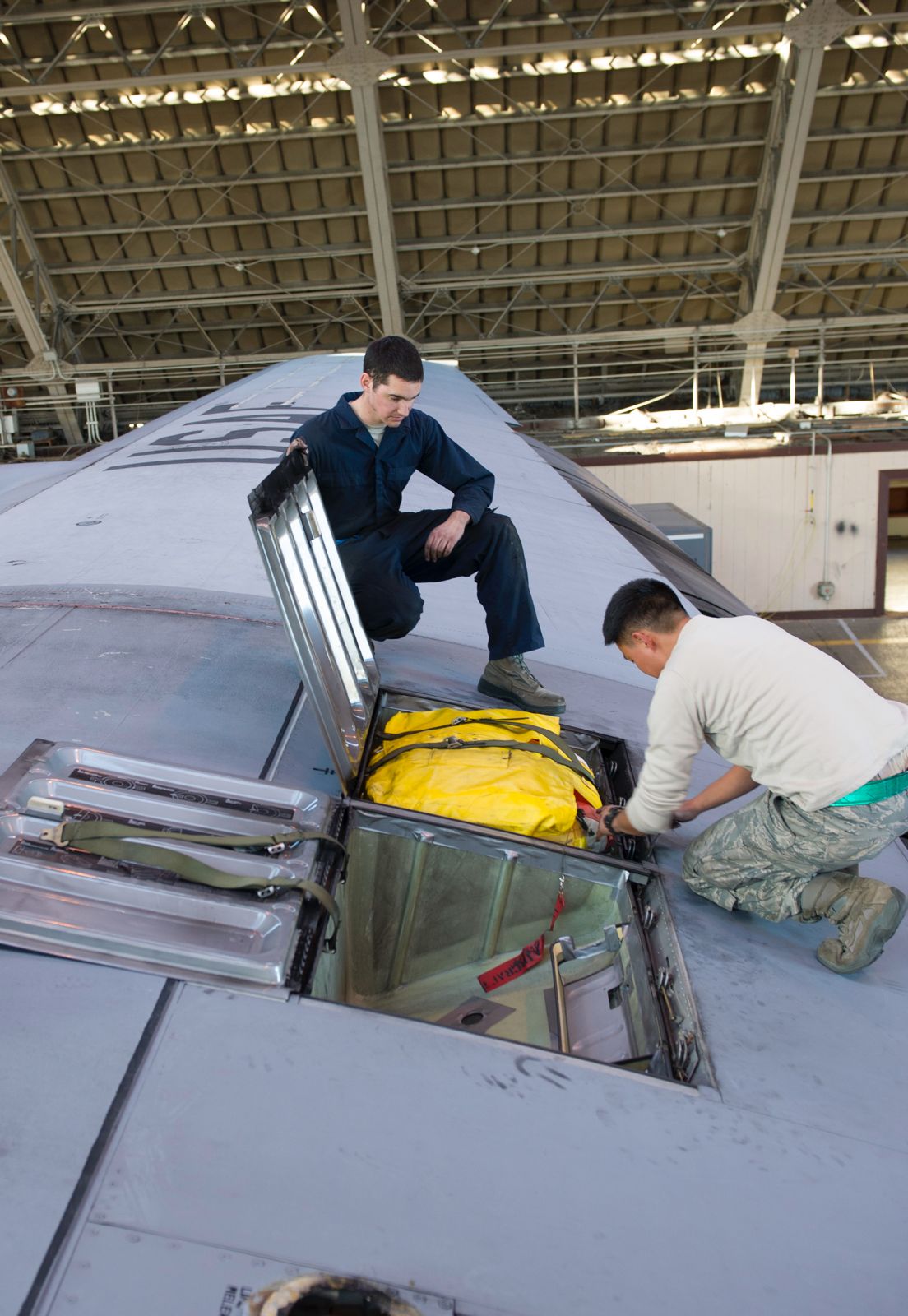
Colonel Bayram KIRMIZI: At present, our pilots and technicians undergo training using AB-205 (UH-1H) Helicopters. Our inventory includes medical evacuation stretchers, an Airborne Tactical Extraction Platforms (AirTEP), and Bambi Buckets for fire suppression. These resources enable us to engage in a range of operations, such as search and rescue missions, providing aid during natural disasters, intervening in forest fires, and executing counter-terrorism activities. For these purposes, we employ S-70 / Mi-17 Helicopters, which are equipped with external cranes, as well as domestically produced T-70 Helicopters. The T-70 Helicopters, manufactured domestically, were finalized in 2022 and have recently been introduced into operational use by our Command.
Furthermore, our domestically produced T129B ATAK helicopters play a crucial role in our Anti-Terrorist Operation (ATO) missions. Aerial reconnaissance, surveillance, and image transmission tasks are effectively accomplished through our fleet of ANKA and BAYRAKTAR Unmanned Aerial Vehicles (UAVs), alongside the King Air B-350 Manned Reconnaissance Aircraft (JİKU). Additionally, we utilize the Citation C680 Sovereign aircraft for both command-and-control operations and VIP assignments. To enhance our capabilities, we have recently introduced gyrocopters into our inventory, allowing for more efficient airborne traffic control and image transmission tasks. The number of gyrocopters in our possession is expected to increase in the upcoming period.
Gendarmerie Aviation Units, comprising Aircraft/Helicopter/UAV pilots and technicians who have the opportunity to train themselves and increase their experience within the scope of the Gendarmerie General Command's activities to fight against terrorism nationwide and search, rescue, patient transportation, security, public order, and prevention of smuggling in various parts of our country, will be ready to perform all the missions to be assigned to them with the same unwavering dedication as before, thanks to the entry of the domestically designed and produced T625 GÖKBEY Helicopters into our inventory in the upcoming period, along with the establishment of new fleets in the Mediterranean and Black Sea regions.
Defence Turkey: Could you tell us about the organizational structure of the Aviation Department and its affiliated units?
Colonel Bayram KIRMIZI: Within our structure, there are dedicated squadrons in Aydın and Van, known as Aydın Gendarmerie Fleet Command and Van Gendarmerie Fleet Command, respectively. We also have essential Gendarmerie Air Group Commands situated in Diyarbakır and Ankara. The Aydın Gendarmerie Fleet Command operates under the Ankara Gendarmerie Air Group Command, while the Van Gendarmerie Fleet Command is overseen by the Diyarbakır Gendarmerie Air Group Command. Additionally, we have the Gendarmerie Aviation School Command located in Ankara, the Support Group Command responsible for supply and maintenance activities, the Administrative Management Division overseeing headquarters activities, and the UAV Command.
Functioning as the Administrative Management Division, our responsibilities encompass a range of administrative tasks. Our division comprises four sections: Intelligence, Operations, Personnel, and Administrative. We oversee matters falling within these sections' purview, extending to all units within the Aviation Division. You paid a visit to the Aviation Department, where their focus is on projects regarding aircraft supply and modernization. Our Support Group Command assumes the responsibility of aircraft maintenance. The Aviation Group Command is our operational unit. The Aviation School Command, on the other hand, is responsible for the training of pilots and technicians, as well as addressing the training needs of other institutions. Our scope of training extends beyond our own pilots and technicians; we also provide training for pilots and technicians from the Ministry of Interior, the General Directorate of Security, and the Coast Guard Command.
Defence Turkey: Is it correct to say that they receive only Basic Training?
Colonel Bayram KIRMIZI: In fact, our school offers programs on a wide range of subjects. We don't limit ourselves to just Basic Training; we consider requests for all topics within our expertise. Moreover, we strive to respond to training requests from abroad. For instance, we recently received a request from Azerbaijan for a Pilot Basic Training Course on the Mi-17 Helicopter. We are prepared to provide them with the necessary training. As you might be aware, we have also introduced the use of Night Vision Goggles (NVG) for flying the Mi-17 Helicopter, a practice that was not previously employed. We had experience using NVGs on the Sikorsky helicopter during night flights. Adapting this to the Mi-17 required some modifications in the helicopter's cockpit design.
Defence Turkey: Are you planning to share this experience with Azerbaijan and other friendly and allied countries that will receive training?
Colonel Bayram KIRMIZI: Certainly. As of now, we haven't commenced operational night flights. Training for this is still ongoing. However, in addition to that, we are actively participating in firefighting flights.
Defence Turkey: As the Aviation Department, could you provide an evaluation of the missions you've undertaken and the insights you've acquired in firefighting operations to combat forest fires?
Colonel Bayram KIRMIZI: We've recently dispatched three helicopters to Hatay, and they've just reported their arrival in Dörtyol. Consequently, our helicopters are currently present in the area and will be engaged in firefighting efforts against the forest fires. Additionally, some helicopters are currently operating in Bursa. During the significant fire incident in 2021, we underwent training in the morning and were in Aydın by the afternoon. On the very same day, firefighting flights were initiated in Milas, and I even took the lead. We were the first helicopter on the scene, dropping the initial water loads. Our training began at 7:00 in the morning, and we conducted a training flight later in the afternoon. Following this, two helicopters took off from our location to Aydın. We refueled in Aydın and picked up necessary supplies. By around 15:30-16:00, we commenced firefighting operations in Marmaris. This kind of rapid response is unparalleled in aviation history. We began with two helicopters, and subsequently, our colleagues joined us, including Major General Ali DOĞAN, the Head of Gendarmerie Aviation Department. Interestingly, our Head of Gendarmerie Aviation personally took flight during the Marmaris fires. However, it's important to note that we did possess previous experience in such situations. It wouldn't be accurate to claim we were entirely inexperienced. Between 2003 and 2005, we dealt with fire-related incidents. Nevertheless, it had been 16 years since then. After this significant lapse of time, we encountered a forest fire scenario once again. It's worth mentioning that the number of colleagues we considered experienced in firefighting was limited. Apart from myself, perhaps 3-5 others had direct experience, while the rest were unfamiliar with the process. Despite this, we rapidly adapted, swiftly navigating to the fire zones, and executed all necessary tasks, including safeguarding the thermal power plant. The fire had nearly reached the vicinity of the plant, posing a grave threat. Our Minister of Interior was on-site, providing directions as we carried out water drops. I was receiving coordinates from Ankara, but we weren't even looking at the coordinates, as the fire zone was already visible to me. Following each water drop, I would receive feedback from there, expressing satisfaction with the outcome. Our efforts were undeniably pivotal in preventing the fire from encroaching on the thermal power plant. Moreover, we intervened in every fire within the region, accumulating invaluable firefighting experience. Subsequently, requests started pouring in from other institutions seeking our assistance. In response, we provided training to the Army Aviation Command, the General Directorate of Security, and the Special Forces. Naturally, we had great satisfaction in having been able to make such a contribution.
Colonel Onur ALGÜL: During firefighting flights, we face several challenges. One of the issues is the soaring cockpit temperatures, reaching between 55 to 65 degrees Celsius. Additionally, the presence of smoke and ash in the air poses a challenge to the engines as they lack a fresh supply of oxygen. This limitation leads to operating the engines at around 80% power instead of full capacity in such intense heat conditions. Furthermore, the smoke also affects the technicians stationed in the cabin responsible for releasing the Bambi Bucket. Many of our technicians had facial burns following the 2021 fire incident. This is because they dangled from the Mi-17's door, observing the flames directly and ensuring precise water discharge at the targeted spot.
Colonel Bayram KIRMIZI: Just when we thought the fire was finally under control, floods began in the north, particularly in Kastamonu. Our team transitioned from firefighting to flood relief. It turned out to be an extraordinary year for us. Following that, we initiated search and rescue operations in the flood-affected areas of Kastamonu and Sinop regions.
Colonel Türker TÜRKÜCÜ: We transported generators from one neighborhood to another due to power outages. Additionally, we facilitated the distribution of medicine, supplies, and assisted in the transportation of patients.
Colonel Bayram KIRMIZI: Transporting generators as external loads is a highly risky operation. Similarly, firefighting activities also involve external load operations, where you carry 2.5-3 tons of water externally. Such operations require extensive experience due to their inherent risks. It's not a task for just anyone to undertake. Our previous operational experiences in the Southeast, as part of Anti-Terrorist Operations (ATO), significantly contributed to our competence. During those operations, we frequently transported generators to base areas, navigating various terrains and even crossing borders. Our diverse missions in challenging environments have provided us with a higher level of experience in such endeavors compared to other organizations. Thus, adapting to these situations wasn't overly challenging for us. Furthermore, this provided an excellent opportunity for our younger colleagues to gain valuable experience.
Defence Turkey: Besides Azerbaijan, have you been contacted by any other countries expressing interest in receiving Mi-17 Helicopter training?
Colonel Bayram KIRMIZI: We will begin with Azerbaijan, and subsequently, we anticipate providing training to Libya and Turkmenistan. We are also expecting interest and demand from these countries.
Colonel Türker TÜRKÜCÜ: If GÖKBEY is exported, we can anticipate even higher demand for our training programs. Currently, our common focus is on Mi-17 Helicopters, as we stand as the sole user of Mi-17s in Türkiye.
Defence Turkey: As far as we know, following the 1999 earthquake, Gendarmerie Aviation established the first air bridge between Ankara and Istanbul. In the wake of the earthquake that struck Kahramanmaraş on February 6, 2023, and affected the surrounding regions, could you please provide an assessment of the operations you conducted to offer aerial support to the earthquake survivors and the insights you acquired from this experience?
Colonel Onur ALGÜL: Once again, in the aftermath of this earthquake, our teams were fully prepared to establish the first air bridge immediately after daybreak. However, adverse weather conditions prevented us from doing so.
Colonel Bayram KIRMIZI: The most significant aspect for us following the earthquake was our deployment to the earthquake zone, which was particularly challenging due to adverse weather conditions. Under normal circumstances, flying a helicopter would have been impossible in such weather conditions.
Colonel Onur ALGÜL: A total of 10 helicopters were simultaneously dispatched to the earthquake zone. These helicopters managed to reach the earthquake-stricken area by flying at low speeds through the snow and fog, maintaining a close distance that allowed them to visually track the helicopter ahead. Despite our familiarity with the region, the visibility was severely limited.
Colonel Türker TÜRKÜCÜ: On the second day, the weather conditions were relatively better compared to the first day. Unfortunately, we were unable to conduct any flights on the first day due to the adverse weather. However, immediately following the earthquake, our entire team was on site and prepared for action. By around 9:00 am, all helicopters were fully equipped for takeoff. Nevertheless, the weather conditions in the earthquake zone remained unfavorable.
We had been diligently preparing for two years, anticipating the potential impact of a major earthquake in Istanbul. Consequently, our helicopters were equipped with emergency medical equipment and stretchers. I can show you the stretchers we used after the earthquake, they're downstairs. Collaborating with AFAD, we had previously enhanced the stretcher carrying capacity of our helicopters, allowing us to evacuate more injured individuals simultaneously and facilitate their transfer from one hospital to another.
Colonel Bayram KIRMIZI: Our prior experiences with disasters had proved invaluable for us. Leveraging this experience, we proactively equipped both our Sikorsky and Mi-17 Helicopters with stretchers.
Colonel Onur ALGÜL: Upon our arrival in Kahramanmaraş, we immediately initiated our operations. Over the following day and night, we facilitated the transportation of the injured individuals from Kahramanmaraş Hospital. One particularly critical mission involved the transfer of nine infants who were receiving care at the hospital during that period.
Colonel Türker TÜRKÜCÜ: During the 2011 Van earthquake, we employed a similar approach to transport infants by helicopter. I served as the duty supervisor during the Van earthquake. Our priority was to swiftly transport babies in incubators to the nearest hospitals to mitigate the potential risks associated with power outages, which could prove life-threatening for them. Once Diyarbakır Hospital reached its capacity, we proceeded to transport them to Erzurum. Similarly, when Erzurum Hospital was no longer able to accommodate more patients, we extended our efforts to transfer them to Elazığ and Malatya. This ensured a dispersed distribution of patients. The helicopter plays a vital role in these scenarios, as it allows us to race against time. Additionally, it's worth noting that some of the flight personnel who were actively involved in the response to the Van earthquake were themselves affected by the disaster. On the second day of the earthquake, reinforcements arrived from Ankara. There was even a pilot who flew in almost his pajamas due to urgency. From the evening until the morning, they transferred critical patients from the hospital to nearby provinces.
Colonel Onur ALGÜL: In fact, our initial utilization of Mi-17 Helicopters during nighttime conditions occurred in the context of the Kahramanmaraş earthquake. In Kahramanmaraş, we executed the evacuation of the injured to Adana City Hospital utilizing Mi-17 Helicopters equipped with in-cabin stretchers and Night Vision Goggles. Hence, this instance marked our first experience in conducting flights using NVGs.
Colonel Bayram KIRMIZI: Although our training was not fully completed, the situation demanded our immediate response and we had to fly.
Colonel Türker TÜRKÜCÜ: The same situation applies to the T-70. We had recently completed adaptation training for the T-70, but it was among the first helicopters deployed to the region before we could become completely acquainted with it. It flew 11 hours of flight in the region, with 6 hours of those being during nighttime conditions.
Defence Turkey: Could you share your future plans for the Gendarmerie Aviation Department?
Colonel Bayram KIRMIZI: In the coming years, our future plans for the Gendarmerie Aviation Department involve the establishment of new units that will cover the entirety of Turkey. In regions such as the Black Sea, where flood incidents have been frequent, having a dedicated unit there would alleviate challenges we currently face. Adverse weather conditions sometimes hinder our access during critical situations in these areas. With this in mind, we are considering the establishment of a fleet in either Trabzon or Rize, although the precise location has yet to be determined. Our presence in the Black Sea is essential. Furthermore, our aspirations extend to the southern part of the country, where we intend to set up a unit at the Çukurova Airport in the Mediterranean region. This initiative is also in progress. Our overarching goal is to structure our capabilities to ensure swift responses and coverage across the nation, enabling us to reach any incident or location in need within the shortest possible time frame. We will hopefully these plans in the near future. Once we establish units in the Black Sea and Mediterranean regions, we will have covered the eastern, central, and western parts of the country with existing units in place. However, the situation regarding Istanbul and Thrace remains uncertain. Is there a need there? Absolutely. The consensus among experts is that, sooner or later, an earthquake will unfortunately strike those areas. There is no doubt that our presence will be indispensable in such areas. We are actively considering options for those locations. However, specific plans have not yet crystallized. Our strategy is to establish units wherever our General Commander deems necessary. Our overarching objective is to configure this organization in a manner that spans the entirety of Türkiye and enables us to swiftly respond to incidents anywhere they arise. With this purpose in mind, our Aviation Division remains dedicated to acquiring new aircraft and advancing projects aimed at fulfilling these goals. Our commitment to pilot training remains steadfast. Recognizing the ongoing and future demand for skilled personnel, the Gendarmerie Aviation School Command is dedicated to delivering comprehensive training programs for pilots and technicians. Following their graduation from the Aviation School, our pilots and technicians further cultivate their expertise through these missions. Upon deployment to the eastern regions, they fortify their skillset through flight operations within the counter-terrorism operational zones. Consequently, our aviation unit emerges as a highly proficient and experienced entity. Through these endeavors, we are resolute in our mission to promptly respond to the needs of our citizens, wherever and whenever they require our assistance.
Defence Turkey: Could you tell us about AirTEP, which was initially utilized by the Gendarmerie Aviation Department in Türkiye?
Colonel Onur ALGÜL: Within our Aviation Division, we’ve established an R&D Branch that has developed a solution known as AirTEP. AirTEP, standing for Airborne Tactical Extrication Platform, is a specialized platform designed by our R&D Branch. It’s designed to accommodate up to 10 individuals equipped with mountaineering gear. The introduction of this rescue platform to Türkiye was pioneered by the Gendarmerie Aviation Department. AirTEP isn’t solely intended for search and rescue operations; it’s primarily specialized equipment for special operations. However, the Gendarmerie Aviation Department intends to deploy AirTEP for the evacuation of citizens who might be injured or trapped due to natural disasters, as part of our commitment to public assistance missions.
Colonel Bayram KIRMIZI: To illustrate, consider a scenario where 3-5 citizens become stranded in a flood-affected region. In such cases, our approach involves deploying the AirTEP to the location. Specially trained JÖAK (Gendarmerie Commando Special Public Order Command) personnel will then utilize the AirTEP to safely extricate the stranded individuals and carry them to a secure area. It's worth noting that this versatile solution is used not only in flood scenarios but also in a range of other natural disasters, including fires.
Defence Turkey: Apart from stretchers, do helicopters carry specialized equipment like oxygen tubes, CPR devices, and emergency response kits for facilitating medical evacuations following earthquakes?
Colonel Bayram KIRMIZI: We already have the first aid equipment you mentioned, and we currently employ them for these missions.
Colonel Türker TÜRKÜCÜ: While the specialized team can bring their own equipment, we also have our own set of resources. Our equipment encompasses the tools required for CPR as well as those essential for establishing vascular access.
Colonel Onur ALGÜL: We never embark on such missions without medical personnel on board. While our technicians have undergone First Aid Training, ultimately, procedures like administering intravenous lines or IV drips are crucial for patient care. This is exactly why we collaborate with the 112 Emergency team for both wounded evacuations and medical emergencies. Within our inventory both in Diyarbakır and Ankara, we possess a device designed for cardiac massages and blood pressure measurement. Furthermore, medical evacuation missions demand substantial experience. This encompasses everything from safely retrieving injured individuals to their transportation and subsequent delivery to hospitals. Leveraging the insights gained from our experiences in the Southeast, we've shared these lessons with management at the earthquake zone. Consequently, we conducted 2-3 additional evacuation sorties every night to effectively respond to the situation.
For instance, last week we actively participated in the rescue operation of a group of climbers in the Kaçkar Mountains. A climber who had fallen and sustained injuries while scaling a glacier in Rize's Kaçkar Mountains was successfully rescued following 24 hours of intensive effort. Each flight represents a unique learning experience. It's important to note that piloting is not something that can be mastered solely through books; rather, it thrives on the mentorship and guidance of experienced pilots. We've acquired our skills under the guidance of our seasoned commanders and are committed to passing down our knowledge to our colleagues. In essence, a flight isn't merely a matter of the first and second pilots deciding to undertake a task. Every flight serves as training for the second pilot, while the first pilot takes on the responsibility of transferring their experiences. Just as we continued the legacy of our predecessors upon their retirement, our second pilot colleagues will assume our roles when we eventually step down. The fact that the Gendarmerie Aviation Department remains the primary point of contact in Türkiye underscores our ability to uphold the legacy passed down by our commanders. If, even after our retirement, the Gendarmerie Aviation Department continues to be the primary unit to be contacted, it signifies our successful fulfillment of duty and passing the torch to our colleagues.
Defence Turkey: We extend our gratitude on behalf of our readers for sparing your time for this insightful interview. We wish you continued success in your endeavors.