TASMUS-G System
For the survivability of current tactical operations, intense, high-speed and real time digital data transfer between various receivers in tactical areas, weapon systems, computers and command centers has become a compulsory situation. New military doctrines based on mobility, flexibility and extensibility require that these data transfers take place while tactical elements are on the move. For this reason, the requirements for increased communication speed in tactical areas, reliability, security, flexibility, high survivability, changing technology requirements and the requirements of communication services that are offered has brought forth the need for the development of a Tactical Area Communications System. In line with these needs, work commenced on a first generation TASMUS System within Aselsan in the 1990s with the support and under the direction of the Turkish Armed Forces. In 1996 the first contract was signed and starting in 2000 deliveries as parts continued until 2005 to various regions of Turkey. These delivered systems are being utilized in a very intense and productive manner by a wide level of units from the army to the battalion attached to the Land Forces Command.
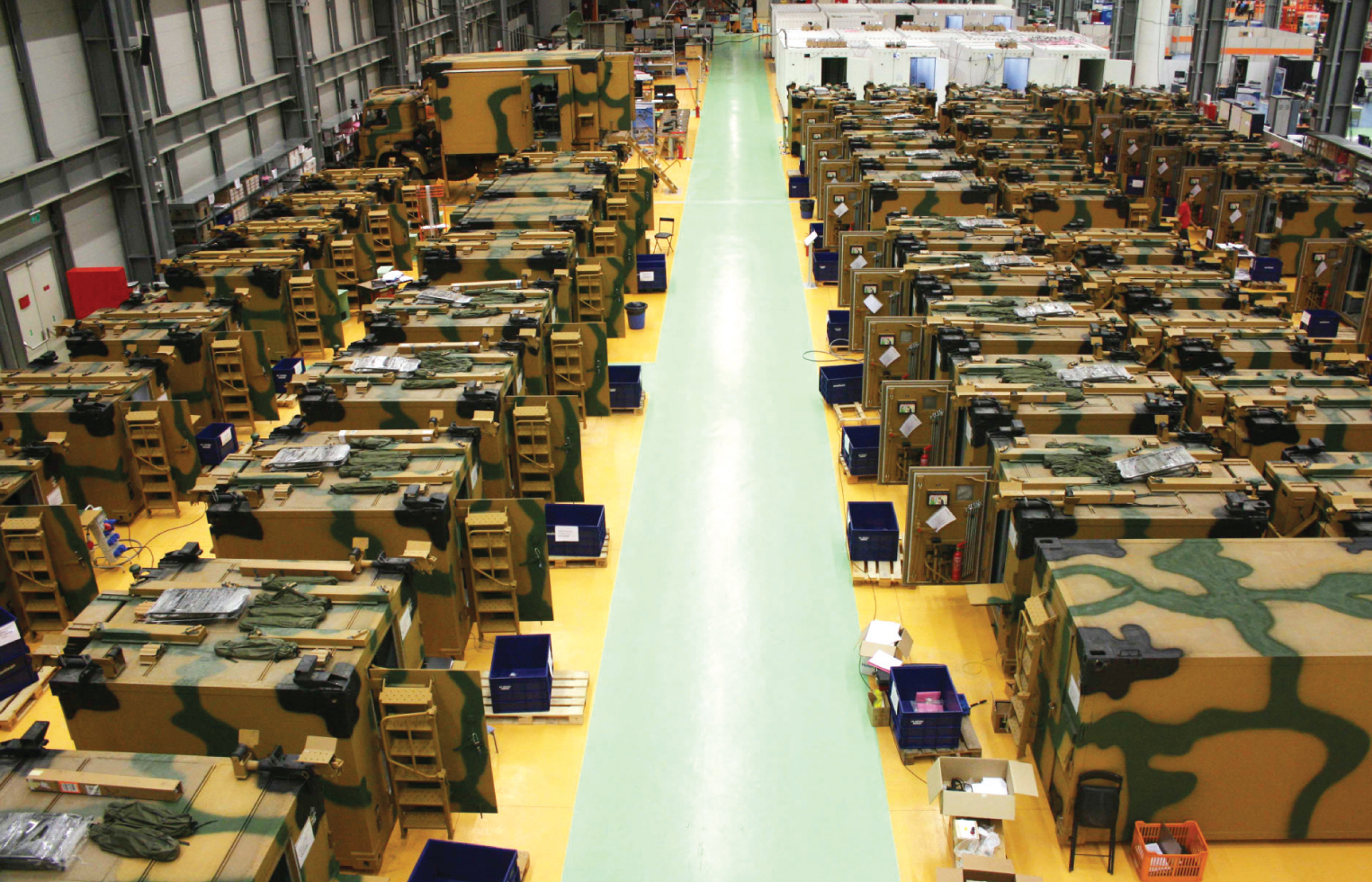
The TASMUS-G System came into being in line with new technological developments and included in the Turkish Armed Forces’ inventory in 2010 after the redesign of the first generation TASMUS System developed by Aselsan and realized for the inventory of the Turkish Armed Forces in the year 2000. The System, with its Network-Centric Warfare concept compatibility, its powerful IP infrastructure and with its architecture open to new developments provides an integrated solution that can completely answer all communication requirements needed in the tactical area. From the point of users, the data speed capacity has increased approximately 8 to 10 times more than the first generation TASMUS. In order to use more effectively the Command and Control Systems, significant improvements and additions were made and features relating to security were developed compatible to new criteria.
Close cooperation with universities and domestic industry within the project’s coverage took place and new sub-contractors undertook a critical role in the project. In this way, a more productive design and production process was obtained during the project and at the same time the know-how gained was shared with other organizations.
With the TASMUS-G System, the Turkish Armed Forces has become one of the leading armies in NATO and the world to possess the most modern communications system.
The TASMUS-G System, designed to have a compatible structure with the TACOMS POST 2000 architecture that is related to future generation tactical area communication systems within NATO and prepared with the contributions of Aselsan, is composed of four basic subsystems. These subsystems are indicated below.
Wide Area Subsystem: This is the system with the radiolink devices that cover the area of operations and consists of interconnected System Access Points (SEP) that make up the system’s main transmission medium through a grid structure. This subsystem which provides a high capacity switching service between Local Area Subsystem, in addition, provides access to strategic systems such as TAFICS, PTT and NATO combat systems.
Local Area Subsystem: It is the system that provides services to all users in the tactical area and consists of Mobile
Subscribers Access Points (MSAP) and Command Post Access Packages (CPAP). The Local Area Subsystem (LAS) provides voice, data and image communications for wired and wireless subscribers within the total system. With the use of Integrated Access Stations within CPAP, high capacity IP infrastructure is provided to command posts. The communication performances of rapidly increasing IP-based Command and Control applications will move to the highest level with this infrastructure.
Mobile Subsystem: Consists of software-based 9651 handheld radio and 9661 vehicle radios that operate in the TDMA mode. The Mobile Subsystem provides all of the communication services offered to wired users of the system to mobile users as well.
System Control Subsystem (SISCON): Undertaking system operation plans, frequency plans, wireless coverage area analysis, configuration of all units, their replacement, system performance calculations, monitoring the system, producing the switching of encryption devices in the system and remote transmission and management of these swtiches are some of the tasks it enables.
System General Features
The general features of the TASMUS-G System are listed below:
By bringing together IP, ATM and ISDN switching technologies, TASMUS-G offers an effective switching infrastructure.
Responds to all voice, data, fax and image (video and video conference) communication needs that will be necessary for the operational requirements of units and which is met through an integrated system solution.
Provides automatic and continuous monitoring of the geographical position of units from one center.
TASMUS-G has been designed to be compatible with VoIP infrastructure.
The TASMUS-G System with its software-based wireless family enables all of the communication opportunities and services provided to wired users to mobile users as well.
All links in the system are protected by nationally developed cryptos.
All terminals in the system undertake cryptographic communication from end to end.
The link between units within the system is enabled with 2, 8 and 34 mbp radiolink devices.
With TASMUS-G, interfaces that integrate to single channel CNR networks are present.