THE WINGED POWER OF THE TURKISH NAVAL FORCES: NAVAL AIR COMMAND
Combining these capabilities of technology with short reaction times, speed, and long endurance, which are the characteristics of their own nature, Naval Aircraft can perform reconnaissance, surveillance, and patrol missions (ASW/ASUW) against underwater and surface threats in critical regions, passages, and waterways, while providing the Navy elements with a real-time and precise tactical picture of the battlefield, and act as weapon platforms when necessary. Being a force multiplier with all these capabilities, Naval Aviation elements have become an indispensable part of modern naval forces, as they give the Navy the ability to make operations in the third domain.
Naval Aviation, which carried the naval warfare to a 3D environment since the 1st World War, has become an indispensable element of naval operations with its helicopters, maritime patrol aircraft, UAV/UCAVs, and fighter aircraft. In this issue, we will introduce you to the Naval Air Command under the Fleet Command, which provides airborne reconnaissance & surveillance, Anti-Submarine Warfare (ASW), and Anti-Surface Anti-Surface Unit Warfare (ASUW) capabilities to the Turkish Naval Forces Command (TNFC), both in domestic and international missions and operations, with its modern fixed and rotary wing Manned and Unmanned maritime aircraft equipped with high-tech sensors, command-control, and weapon systems.
As a crucial force multiplier of our Navy, which is present at seven seas around the world today, the Naval Air Command draws attention as a flexible and elite power capable of operating in the world's seas, with its rich history dating back to 1914, highly trained and motivated personnel, and modern aircraft that can cope with both surface and underwater threats.
With a special permission from the Ministry of National Defense (MoND), on April 22, 2021 we have visited the Naval Air Command at Topel Naval Air Main Base in Kartepe, Kocaeli, for our readers to get first-hand information on the past, present, and future expectations, and goals of the Naval Aviation, which is of great importance for the Turkish Navy and to view the activities on site.
In the first part of our article, we will briefly introduce the Naval Air Command and the Helicopters, Maritime Patrol Aircraft, and Unmanned Aerial Vehicles in its inventory. In the second part, we will share our special interviews with Naval Air Commander Rear Admiral (LH) Alper YENİEL and Maintenance Commander Cdr. Erkan AKDERELİ.
The Naval Air Command, which has a long history and will celebrate its 107th anniversary in June, today successfully performs its duties with a total of 64 aircraft, including 24 SH-70 SeaHawk ASW/ASUW Helicopters, 9 AB-212 Helicopters, 6 P-235 Maritime Patrol Aircraft (MPAs), 2 P-72 MPAs, 3 C-72 Maritime Utility Aircraft, 4 TB-20 Trainer Aircraft, and 16 Unmanned Aerial Vehicles (10 BAYRAKTAR TB2 UAVs/UAVs/UCAVs, 4 ANKA-B UAVs and 2 ANKA-B (THS) UCAVs). By the end of 2023, the number of platforms is expected to reach 100. In this context, until the end of 2021 2 ANKA-B (THS) and 4 AKSUNGUR Unmanned Combat Air Vehicles (UCAVs), until the end of 2022 4 P-72 Maritime Patrol Aircraft (2 by the end of 2021 and 2 in the first quarter of 2022), and until the end of 2023 15 tactical UAV/UCAVs, and 4 T129 ATAK Helicopters are planned to enter service with the Naval Air Command (the number of T129 ATAK Helicopters is expected to reach 16 by the end of 2026). With the launch of the LHD Anadolu, which is expected to be commissioned in 2022 at Aksaz Naval Base, new platforms such as UAVs/UCAVs, Multi-Role Utility (6), Medium-lift Transport (23), Airborne Early Warning (3), Attack (16 ATAK Mk-I), and New Generation Naval Helicopter Projects (12) are planned to be added to the Naval Air Command's aircraft fleet. By 2028, the number of aircraft in the Naval Air Command service is expected to exceed 150.
Beginning of Naval Aviation
The grandchildren of Barbaros, who turned the Mediterranean into a Turkish lake by winning glorious victories in the vast blue seas for centuries, with the motto of “Whoever Dominates the Seas, Will Dominate the World,” embraced the blue skies when Mehmet Fethi Bey, a naval officer, became a pilot after the establishment of Turkish Military Aviation in 1911. Mehmet Fethi Bey, our first naval aviator, was also our first air martyr. Lieutenant (Junior Grade) Mehmet Fethi Bey, who studied at Bristol Aircraft Factory in the UK in 1912, provided great benefits during the Balkan War, where he served both as a pilot and an air observer. Promoted to Lieutenant in 1914, Mehmet Fethi Bey was one of the first eight Turkish pilots to participate in combat missions in Turkish Military Aviation History. Lieutenant Mehmet Fethi Bey, who made many firsts in the history of Turkish Aviation, was martyred with his Observer Sadık Bey when their plane crashed in the Galilee district of Damascus on February 27, 1914, while on a flight between Istanbul and Alexandria.
Following the test flight on June 16, 1914, with the support of the Ottoman Navy League (Donanma Cemiyeti), our first Curtiss Model F-2 flying boat was purchased for 2,190 Ottoman liras. Our first naval air force, "Naval Flight School (Deniz Tayyare Mektebi)," was established in Yesilkoy on June 25, 1914, and Turkish Naval Aviation truly started with the appointment of Navigation (Deck) and Engineering Officers from the Navy. Since this date is also accepted as the foundation of the Turkish Naval Aviation, the Naval Air Command is preparing to celebrate its 107th anniversary on June 25, 2021. Turkish Naval Aviation completed its organizational activities during the First World War, and despite the difficulties and limited capabilities in terms of both aircraft and personnel numbers, it successfully fulfilled its duties with great devotion by performing vital reconnaissance flights during both the Gallipoli Campaign and the Turkish War of Independence. Naval aviation personnel made significant contributions to the operation, especially with their reconnaissance and patrol missions off the Bosphorus during the 1915 Çanakkale Wars. The 1st, 2nd, and 3rd Naval Aviation Squadrons performed active duties in the First World War and the Amasra Naval Air Station in the War of Independence.
Towards the foundation of the Republic, all flying boats were gathered in İzmir, and the 1st Naval Aviation Squadron was established. Between 1920-1947, great importance was given to Naval Aviation, and within this framework, several Naval Air Stations and Naval Aviation Squadrons, and finally, the 5th Independent Naval Aviation Wing were established in Izmir under the command of Lieutenant Commander Hüsmen Bey. With the change in establishment, Naval Aviation was taken from the Navy and reorganized as the Undersecretariat of Air Force under the Ministry of National Defense. In parallel with Italy's arming of the Dodecanese Islands, new aircraft were purchased from 1935 to strengthen the Naval Aviation. During the Second World War, the 5th Independent Naval Aircraft Wing was directly attached to the Fleet Command, and it was supported with modern amphibious (takeoff/landing) biplanes and flying boats (such as Savoia S16, Savoia S59, Supermarine Walrus, and Southampton). However, due to the economic difficulties of the war, new aircraft could not be purchased to replace the aging or worn-out aircraft in the inventory and following the decommissioning of these aircraft after completing their service life, the 5th Wing did not have any amphibious aircraft to operate (Southamptons in 1943, and Walruses were decommissioned in 1946). Furthermore, with the transfer of landing and taking off capable Bristol Blenheim MkV and Bristol Beaufort MkI/II aircraft, which were procured from England in 1943 to perform maritime missions for the 105th Torpedo Reconnaissance Group of the Navy, to the 10th Photo Reconnaissance Regiment of the Air Force, the Turkish Naval Forces lost all its dedicated aviation units for maritime missions. As of 1947, due to the lack of seaplanes and personnel, naval aviators began to be appointed to ships; thus, the first period of Turkish Naval Aviation ended.
The Second Birth of Naval Aviation
Since Turkey was late to establish a naval air force due to financial difficulties, the Turkish Naval Forces had to perform its duties without naval air power, which will provide significant benefits to both surface reconnaissance and against submarine threats, until the end of the 1960s. In parallel with the developments in the world, the Turkish Naval Forces started its efforts to reconstruct Naval Aviation in 1968 to perform naval operations in three dimensions: surface, underwater, and air. In the early 1970s, a naval air element consisting of two different squadrons (one fixed-wing and one rotary-wing) was established to meet the mission needs of the Navy.
With the rebirth, the Maritime Patrol Aircraft Squadron (301st Naval Aviation Squadron Command) was established in Etimesgut/Ankara on October 18, 1971 and continued its activities at the 6th Main Jet Base Command/Bandırma since August 4, 1972. It was subsequently deployed in Kocaeli, Cengiz Topel Airport on July 14, 1976. The Naval Helicopter Squadron was established in Güvercinlik/Ankara on August 15, 1972 and continued its activities under the name of the 351st Squadron by deploying in Cengiz Topel Airport on May 19, 1973. The 301st Naval Aviation Squadron and the 351st Naval Helicopter Squadron were combined under the name of Naval Air Station Command on August 4, 1976. Thus, the process that started with the second birth of naval aviation reached an institutional level with the establishment of a Naval Air Station.
Today, Naval Air Command’s 302nd Naval Air Squadron (P-235), 352nd Naval Helicopter Squadron (SH-70), and the 312th UAV Squadron (ANKA-B, ANKA-B (THS), and BAYRAKTAR TB2 UCAV) are stationed at Dalaman Naval Air Station, while the 313rd UAV Squadron (BAYRAKTAR TB2 UCAV) is stationed at Çanakkale Naval Air Station within Çanakkale Airport.
Naval Air Stations
With the increase in the number of ships with helicopter decks and the better understanding of the rights and interests in the seas as the navy's missions go beyond the surrounding seas, the importance of Naval Air Power has also increased and reached its current level today. Believing that the need for naval air power will increase even more in the future, the Turkish Naval Forces continues its investments in this field.
The naval air units, which were initially deployed only at the Cengiz Topel Naval Air Station, were reorganized under the “Naval Air Command” in 5 different locations on August 4, 2010. In this framework, a new base was built in Dalaman (Dalaman Naval Air Station), and the Helipad at Aksaz was given under the command of this Base. The number of squadrons within the Dalaman Naval Air Station Command, which hosted only two fleets, the 302nd Naval Air Squadron and the 352nd Naval Helicopter Squadron, increased to four with the activation of the 312th and 314th UAV Squadrons (Geçitkale, Turkish Republic of Northern Cyprus/TRNC). Moreover, Cengiz Topel Naval Air Station has been granted Main Base status under the Naval Air Command. In addition to the Topel and Dalaman regions, the naval helicopter element at Çanakkale Airport was promoted to a Base in 2018. Furthermore, it is planned to expand the 30m wide runway to 45m at Topel Naval Air Station and to deploy different types of UAVs, Primary Trainer Aircraft (6 planes, to replace TB-20s), Basic Trainers (6 aircraft), and Basic Jet Trainers in addition to the existing aircraft in the future.
Meanwhile, with the Turkish Republic of Northern Cyprus (TRNC) Government's approval, Geçitkale Airport in Famagusta was taken over, and Geçitkale Naval Air Station was established on November 5, 2019. In this context, the first UAV flight from Dalaman to Geçitkale (took 5 hours) was carried out with a BAYRAKTAR TB2 UCAV (tail number TCB-807) on December 16, 2019. The UCAVs departing from Geçitkale occasionally accompany and provide protection to drilling ships and warships operating in the Eastern Mediterranean. Geçitkale Naval Air Station, which initially served as a backup airfield for the Dalaman Naval Air Station and used by the UAV/UCAVs of the 312th UAV Squadron, has become a new center for the UAV/UCAV flights conducted in the Eastern Mediterranean by the Naval Air Command. There are still UAVs on permanent duty at Geçitkale Naval Air Station, and some of the new UAV/UCAVs to be delivered are expected to be assigned here.
Maritime Patrol Aircraft
Maritime Patrol Aircraft (MPA) come to the fore in the Naval Air Power due to their long endurance, capability to fly in harsh weather conditions, work together with warships, and perform several different tasks simultaneously. With their modern weapons and systems, Maritime Patrol Aircraft are among the platforms most desired by all Naval Forces in the world for Reconnaissance/Surveillance, Anti-Submarine Warfare (ASW), and Anti-Surface Unit Warfare (ASUW) missions, as well as peacetime operations. 4 S-2A Maritime Patrol Aircraft, purchased in 1971 and 12 S-2E Tracker MPAs, purchased in 1972 from the Netherlands, was used by the 301st Squadron for approximately 22 years for ASUW and ASW purposes. With the purchase of 7 more S-2E MPAs between 1978-1980 and 7 more S-2E MPAs in 1986-1987, the S-2A MPAs, which had reached the end of their service life in 1987, was started to be retired one by one. Moreover, the technologically out-of-date and aging S-2E Tracker aircraft were decommissioned with the decision taken in 1993 due to consecutive accidents in 1992 and 1993. After the decommissioning of the S-2E Aircraft, 7 TB-20 Trinidad Aircraft manufactured by French Socata were procured in 1995 to preserve the pilots of the 301st Squadron, which had no aircraft in its inventory. Currently, 4 TB-20 Trinidad Trainer Aircraft (TCB-601, TCB-605, TCB-606, and TCB-607) are in service with the 301st Naval Air Squadron.
Following the retirement of the S-2E Aircraft in 1993, the Naval Air Command, which continued its duties only with helicopters, reunited with Maritime Patrol Aircraft, one of its three indispensable elements (MPA, ASW/ASUW Helicopters and UAV/UCAVs), with the delivery of the first aircraft in July 2012 under the MELTEM-II Program, after 19 years. The history of the MELTEM Programs, which was initiated as a part of the Long Horizon Integrated Naval Surveillance System to provide the Turkish Naval Forces with airborne maritime surveillance capability, dates to the 1990s. The CN235-100M CASA Tactical Transport Aircraft platform was accepted after the studies for the procurement of a Maritime Patrol Aircraft with modern weapons and systems and 6 aircraft without mission equipment (Radar, acoustic processor, ESM, FLIR, etc.) were delivered to the Turkish Naval Forces in 2001-2002 under the MELTEM-I Program. These aircraft were used for training and transportation duties without any mission equipment for a while, and then they were delivered to Thales for the outfitting activities between 2004-2009 within the MELTEM-II Program.
The US$390 million MELTEM-II Program, contracted by Thales Airborne Systems (TAS), includes the procurement of 6 CN235-100M (later classified as P-235) MPA for Turkish Naval Forces, 1 Ground System, and 10 x AMASCOS-300 Mission System Package (for MELTEM-III P-72A Aircraft), as well as 3 Maritime Surveillance Aircraft for the Coast Guard Command and 1 Ground System. Pre-deliveries of 6 CN235-100M Aircraft (TCB-651, 652, 653, 654, 655 and 656) to be converted to MPA configuration at TUSAŞ facilities under the MELTEM-II Program, was started in July 2012 in the Initial Configuration Standard (without Mk-46 Mod 5 Lightweight Torpedo integration, TUSAŞ sent the first aircraft to Cengiz Topel on October 12, 2011, and the provisional acceptance process started in November 2011). The first aircraft in the Final Configuration Standard entered service with the Naval Air Command on October 21, 2013, the 5th aircraft on April 11, 2014, and the 6th aircraft on June 2014 (11 years after the commencement of the MELTEM-II contract). P-235/CN235-100M Maritime Patrol Aircraft currently operate under the 301st Naval Air Squadron Topel Naval Air Main Base and the 302nd Naval Air Squadron at Dalaman Naval Air Station.
Within the scope of the MELTEM-II Program, 6 of 9 CN235 Aircraft were transformed into MPA and 3 of them into Maritime Surveillance Aircraft at TUSAŞ facilities. Outfitting, design, production, and integration activities of parts and kits used for all aircraft modifications were carried out at TUSAŞ facilities. The development of the Tactical Command System software of the aircraft specific to Turkey, the modification of some software developed by Thales company, and the Ground Segment, which includes the Mission Planning, Debriefing Module, and Simulation Module, was entirely carried out by HAVELSAN. In addition, HAVELSAN takes part in supporting the maintenance, operation, and repair activities of the systems after the completion of the technology transfer and the warranty period. Additionally, MİLSOFT has successfully performed the Tactical Data Link Link-11 software and integration activities. The flight management system, navigation (LN-100GT INS/GPS), communication (MXF-484 V/UHF Radio Set, MXF-795 V/UHF Ground Radio, and PRC-434A Radio), electro-optical sensor (AselFLIR-200T and MFDs), Electronic Warfare (ASES-235M EW Self-Protection System: DR3000A serves as ESM & RWR, AN/AAR-60 MILDS MWS, and 4x AN/ALE-47 CMDS), and Identification, Friend or Foe (IFF, AN/APX-101/TSA-2521 IFF Interrogator/Responder) systems procured from ASELSAN were successfully integrated into aircraft.
Within the scope of the Structural Modification activities, more than 8,000 mechanical parts on the CN235 aircraft were replaced with new ones, over 50 km of new cabling was installed on each plane, around 240 pieces of new equipment were fitted, and 3 million lines of code were written for the real-time mission system. In addition, 14,000 pages of technical documents were prepared within the scope of MELTEM-II, and the SSB checked 3,000 contractor requirements and the French Defense Procurement Agency (DGA) checked 1,700 contractor requirements for the qualification of both the mission system and modified aircraft. 150 flight tests were conducted for the qualification of the Initial Configuration Standard, and an additional 100 flight tests were carried out for the qualification of the Final Configuration Standard (10 launch tests were performed with Mk-46 Mod 5 Lightweight Torpedoes)Additionally, within the scope of operational and acceptance tests, the Turkish Naval Forces carried out more than 160 flights with the aircraft during this period.
With the structural modification works carried out at TUSAŞ facilities, significant changes were made to the aircraft's exterior and interior/cabin layout. In this framework, Ocean Master 400 radar and AselFLIR-200T FLIR systems are mounted under the fuselage, DR-3000 ESM/RWR antenna and AN/AAR-60 MILDS Missile Warning System (MWS) sensors are placed on the cockpit section, and Magnetic Anomaly Detector (MAD) antenna and two MWS sensors were mounted in the tail section. Again, to protect the aircraft against infrared and radar-guided missile threats, AN/ALE-47 Chaff (RF) and Flare (IR) Countermeasure Dispenser System (CMDS) launchers were placed in different parts of the fuselage. The most important change in the cabin was the installation of four multi-functional operator consoles for Tactical Coordinator (TACCO), Radar, Acoustic/MAD, and ESM operators, and two additional observer stations. The flight crew of the aircraft consists of three people: pilot, co-pilot and flight engineer. The flight crew can monitor the data of each system with the large MFD (Multi-Function Display) in the cockpit. Pilots, who had to follow the target coordinates with a paper map during tactical missions, can now navigate more precisely thanks to the modern electronic displays while viewing the locations of air, surface, and underwater threats simultaneously (on MFDs) at a near real-time speed.
The AMASCOS-300 Airborne Maritime Situation Control System installed on the aircraft features a total of four Multifunction Operator Consoles/MOC (Radar Operator, Tactical Coordination Officer [TACCO], Acoustics Operator and Electronic Warfare (EW) and Communication Operator) and includes; the Ocean Master 400 Search Radar with 400W power, a range of 180nm, and SHIPSAR/ISAR/GROUND SAR/DRP/MTI capabilities, the AselFLIR 200T FLIR System enabling the identification of surface targets up to 35nm, Sonobuoy Launcher, TMS-200 Active/Passive Sonobuoy Processing System (for the sonobuoys, capable of listening to 16 sonobuoys simultaneously. A total of 50 Active [SSQ62B and SSQ62D/E as well as SSQ963C and SSQ963D] and Passive [SSQ53D and SSQ53E/F as well as SSQ981B, SSQ981E and SSQ955U] Sonobuoy and 20 Smoke Markers/ESUS can be carried), TCAS II Air Traffic Collision Avoidance System, AN/ASQ-508(V) Magnetic Anomaly Detector (MAD) with a 4.5m long antenna that weighs nearly 50kg, Link-11/Link-16 Tactical Data Link Systems, LN-100G INS/GPS, ARS-700 Airborne Rescue System, AN/APX-101/TSA-2521 IFF Interrogator/Responder, DR-3000 ESM (also functions as an RWR), and ASELSAN’s ASES-235 EW Integrated Self-Protection System consisting of the AN/AAR-60 MILDS MWS and four AN/ALE-47 CMDS Launchers. Three million lines of code were written for the real-time AMASCOS-300 Mission System within the scope of the Program.
The surface targets detected by the Ocean Master 400 Airborne Maritime Surveillance Radar and the AselFLIR-200T FLIR System can be transferred to friendly elements via Link-11. The line-of-sight (LOS) Link-11 Tactical Data Link System, which operates in the HF band, can transfer data up to 200km+ ranges. The Ocean Master 400 Radar with a mechanically rotated antenna can detect a submarine periscope from 30nm at 1,000ft altitude in good weather conditions and a patrol boat from 90nm at 6,000ft altitude within an area of 100 square meters. The system can also successfully operate in air-to-air configuration and track 16 targets within 25 nautical miles. A P-235 Maritime Patrol Aircraft operating at an altitude of 20.000ft can detect surface targets from 200nm and send information to command centers via Link-11. In this context, for example, a P-235 Maritime Patrol Aircraft flying over the Marmara Sea can detect all targets in the Marmara Sea, as well as identify targets in an area from Crimea in the West Black Sea to Selanik (Thessaloniki) in the North Aegean and send their course and speed information to the sea and land-based centers via Link-11.
With P-235/CN235-100M MPAs, which can successfully perform Anti-Submarine Warfare (ASW), Anti-Aircraft Warfare (AAW), Anti-Surface Unit Warfare (ASUW), Reconnaissance and Surveillance, Over-the-horizon Targeting, and Search & Rescue (SAR) missions, Naval Air Command has gained the capability to work effectively in all conditions, day, and night, jointly or independently with friendly and allied elements.
As the third phase of the MPA procurement projects, in addition to 6 P-235/CN-235-100M Aircraft, it is planned to procure 10 ATR-72/500 Aircraft and integrate 10 sets of AMASCOS-300 Mission Systems into the aircraft under the MELTEM-III Program. The company/aircraft selection was made on January 19, 2005, with the Defense Industry Executive Committee's (DIEC/SSİK) decision. The MELTEM-III contract was signed between the Main Contractor Alenia Aermacchi (now Leonardo) and the SSB on July 20, 2005 and entered into force on April 20, 2006. Under the Program worth US$218.7 million (EUR180 million) at that time, initially, 10 turboprop-powered ATR-72/500 Aircraft were planned to be converted to ASW capable MPA configuration, and following the commencement of the contract, the first plane was scheduled to be delivered in the 54th month (October 2010) and the 10th plane in the 77th month (September 2012). As a side note, the US$218.7 million contract does not include the cost of the AMASCOS-300 Mission System procured under MELTEM-II but only covers the aircraft procurement, structural modification, testing, certification costs, and pilot and flight engineer training costs (The cost of each P-72 MPA to Turkey was calculated as US$60 million). In this context, the first primed (green) ATR-72/500 Aircraft was delivered to TUSAŞ in February 2008, and structural modification work was started on the aircraft. However, because the ATR-72/500 production ended, the platform preference was later changed to ATR-72/600 with more powerful engines (5% higher performance) and digital cockpit configuration. Following the negotiations between the SSB and the Main Contractor Alenia Aermacchi/Leonardo, the number of platforms was revised as 8 aircraft (6 Maritime Patrol and 2 Maritime Utility configuration), and the new agreement was signed between the SSB and Alenia Aermacchi in May 2013.
Modifications of the ATR-72/600 Maritime Utility Aircraft (TCB-701 and TCB-702) were carried out at the Main Contractor Leonardo's Naples-Capodichino and Torino-Caselle facilities, and in this context, the aircraft were equipped with new radio sets and IFF system. They entered service in July and August 2013.
The first ATR-72/600 Aircraft, which will undergo Structural Modification at TUSAŞ facilities to be converted into MPA configuration, left the production line in Toulouse, France, and arrived in Turkey on April 19, 2013. The first aircraft accomplished its maiden flight on July 14, 2016 and was sent to Turin/Italy for the certification tests conducted by the Italian Certification Authority (DAAA) and Finmeccanica on the same day. The second aircraft was sent to Torino, Italy, in April 2017 upon the completion of its Structural Modification. Within the scope of the program, Certification Flight tests were carried out at the Flight Test Center of Leonardo Company in Turin.
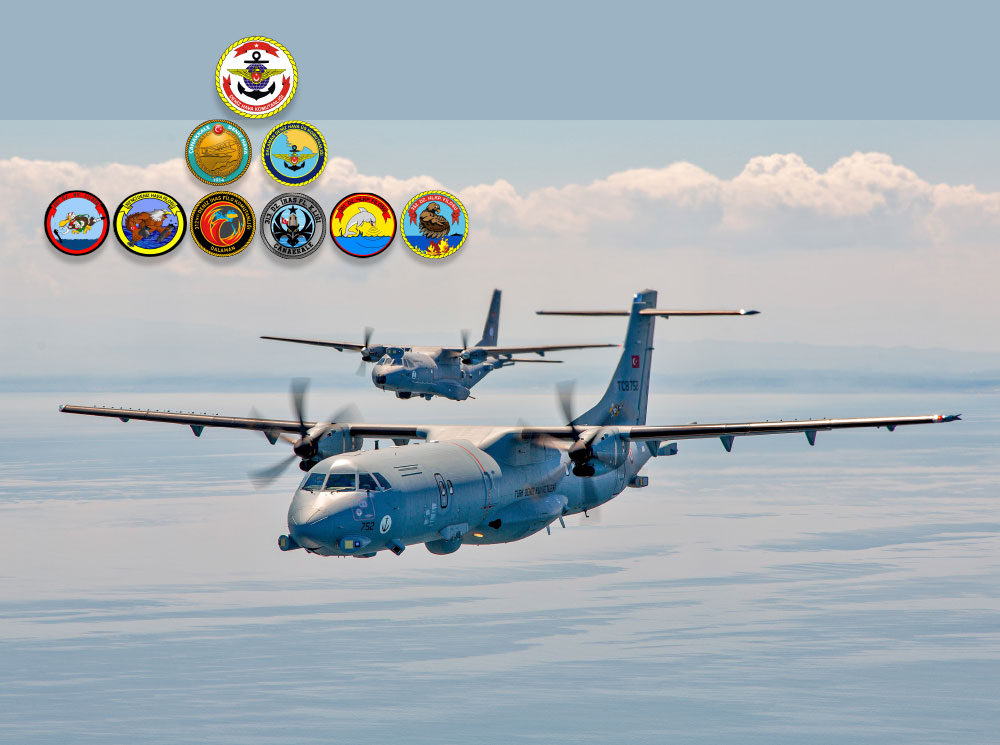
While the first ATR-72/600 MPA (classified by TNFC as P-72) was planned to be delivered to the Turkish Navy in February 2017, due to the delays experienced by the Main Contractor Leonardo, the first P-72 MPA with (TCB-751), which was sent to Italy for certification tests in July 2016, arrived at TUSAŞ facilities in Kahramankazan, Ankara on February 10, 2020, for the final tests before its delivery. Due to the COVID-19 measures, the official acceptance activities of the aircraft could only be started in September 2020. The Turkish Ministry of National Defense announced the start of acceptance flights on its Twitter account on October 8, 2020, and following the completion of the acceptance tests, the first P-72 (TCB-751) was delivered to the Turkish Naval Forces at a ceremony held at TUSAŞ facilities on December 11, 2020. After the delivery ceremony, a Commissioning Ceremony was held on December 15, 2020, with the participation of the Fleet Commander Admiral Ercüment TATLIOĞLU for the first P-72 Maritime Patrol Aircraft, which was transferred to the Naval Air Command in Kartepe, Kocaeli, as it was the first aircraft in its class to enter service. Following the operational readiness training of the flight personnel with the TCB-751, the first operational mission was carried out on January 24, 2021. Under the MELTEM-III Program, the acceptance flight with the second P-72 MPA (TCB-752) was carried out on February 27, 2021. The aircraft was commissioned on March 11, 2021 and transferred to the Naval Air Command in Kartepe. Both P-72 Maritime Patrol Aircraft (TCB-751 and TCB-752) participated in the lightweight torpedo launch training conducted off Dalaman on April 21, 2021. During the training P-72 MPAs launched 2 Mk-54 and 2 Mk-46 Mod 5A REXTORP training torpedoes.
In 2021, the third and fourth P-72 Maritime Patrol Aircraft with tail numbers TCB-753 and TCB-754 are expected to enter service with the Naval Air Command. The third C-72 (ATR-72/600) Maritime Utility Aircraft, two of which were previously delivered to the Naval Forces Command with direct purchase under the MELTEM-III Program in 2013 (TCB-701 and TCB-702, only equipped with new radio sets and IFF system), flew from Italy to Naval Air Command in Kartepe on March 1, 2021. The third C-72 Aircraft (TCB-703) was delivered as a penalty due to the delay in the project after the contract change between the SSB and Leonardo in 2017. Because it has not been officially accepted, the plane still retains its original Italian registration code as of April 22, 2021. It entered service with the Turkish Navy after the acceptance flight in May. The other 2 P-72 MPAs under the MELTEM-III Program are expected to be delivered to the Turkish Navy in the first quarter of 2022.
The AMASCOS-300 Mission System, which is used onboard the ATR-72/600 MPA platforms powered by a pair of PW127M turboprop engines produced by P&W Canada, was procured under the MELTEM-II Program. Under the MELTEM-II Program, a contract worth US$390 million was signed with the Main Contractor Thales Airborne Systems (TAS) to procure a total of 19 AMASCOS Mission Systems and integrate 9 AMASCOS Systems (6 Type-300 and 3 Type-100) into 9 CN-235-100M/P-235 Aircraft. Of the 10 AMASCOS-300 Mission Systems ordered under MELTEM-III, 8 were received in April 2014, and the remaining 2 Systems were delivered in the second half of 2014. 6 of them are used on the 6 P-72/ATR-72/600 MPA platforms, which are delivered in Turkish Maritime Patrol Aircraft (TMPA) configuration, while the other 4 have been stored as backups to guarantee the lifetime maintenance and operation of the AMASCOS-300 Mission System on the P-235 and P-72 MPA platforms. With the AMASCOS-300 Mission System, the data from dozens of sensors on the aircraft are processed quickly, and a complete picture of the operation area (including surface, air, and underwater) is provided with proper symbology on MOC (Multifunctional Operator Console) screens. This capability, which is indispensable for creating a complete picture of the operation area, played a significant role in the project's delay. Thales faced substantial technical problems in developing/integrating a computer and the software that can process data from so many sensors in a very short time and has suffered more than EUR50 million in losses. Thales Alenia Space (TAS) wrote 3 million lines of code for the real-time AMASCOS-3000 Mission System solely to solve this problem. It is planned to replace the Mission System in P-235 and P-72 MPA platforms with ADVENT MARTI Combat Management System (CMS), which was developed with local and national capabilities. In this context, ADVENT MARTI CMS software was installed on 2 P-235 MPA Aircraft and tests were started. In the upcoming period, it is expected that the AMASCOS-300 Mission System will be updated with ADVENT MARTI CMS, with a focus on both software and hardware. In this way, the aircraft will become significantly lighter, allowing additional space in the cabin thanks to the smaller Mission System consoles. Furthermore, it is also planned to replace the AselFLIR-200T FLIR System on the aircraft with new generation FLIR systems such as CATS or AselFLIR-500C.
Link-11 and Link-16 Tactical Data Link Systems developed by MİLSOFT are used in P-72 MPA platforms. On the other hand, the Maritime Patrol Ground Station at the Naval Air Command has been updated by HAVELSAN to support P-72 MPAs under the MELTEM-III Program. Informing us at the press conference held on January 9, 2019, MİLSOFT official shared the following information on the subject: "The bid for 10 aircraft was a little over EUR40 million in the tender for the Link-16 capability acquisition for P-72 MPA platforms under the MELTEM-III Program. Alenia/Leonardo again asked us for an offer for 10 aircraft. Our offer was around US$18 million. Later, the number of planes decreased to 6 (6 MPA + 2 Utility), and the price was just under US$14 million. We finished the project and installed the systems on the plane. The tests were successfully completed, and we received our money. If the EUR40 million foreign offer were accepted, Turkey would not receive any technology, and the 'source code' would not be shared with us. We completed this work by paying non-recurring costs of US$13 million and delivered the system after completing the tests. Turkey has acquired such a capability... If ordered, we can provide Link-16 capability to MELTEM-II P-235 MPA platforms as well..."
Currently operates under the 301st Naval Air Squadron (Topel Naval Air Main Base) and the 302nd Naval Aviation Squadron (Dalaman Naval Air Station), P-235s are defined as Light Class and P-72s as Medium Class Maritime Patrol Aircraft (2 P-235s are permanently stationed here, and if needed, they fly to Topel Naval Air Main Base for maintenance and repair operations. In this case, other P-235s are sent to Dalaman. Therefore, P-235 Aircraft have both the 301st and 302nd Naval Air Squadrons patches on their tails). The P-235 MPA platforms, which have only Link-11 Tactical Data Link capability, can carry Mk-46 Mod 5A Lightweight Torpedoes at under-wing pylons. The P-72/ATR-72/600 MPA platforms, which do not have under-wing hardpoints due to their wing designs, carry their weapons at external hardpoints on both sides of the fuselage. They also have Link-16 Tactical Data Link and Mk-54 Lightweight Torpedo (LWT) capability. In addition, the ASELSAN ASES-235M EW Self-Protection System on P-72 MPA platforms has 6 AN/ALE-47 countermeasure dispensers instead of 4. The engineering support for the integration of Mk-46 Mod 5A and Mk-54 LWTs to P-72 Aircraft was provided by Raytheon. In this context, an agreement worth US$5.7 million was signed between the Main Contractor Leonardo and Raytheon in July 2014. The P-72 MPA platforms have an extended range, higher speed, and 2-3 hours longer endurance than P-235 aircraft. They are equipped with new generation Link-16 TDL, can launch more modern Mk-54 LWTs, carry more sonobuoys (50 active and passive sonobuoys can be carried in P-235s and 64 active and passive sonobuoys in P-72) and operate with a fewer crew (8 personnel) since there is no need for a Flight Engineer. Thus, the introduction of P-72 MPA platforms significantly increased the ASW capabilities of the Turkish Naval Forces.
P-72 aircraft can be equipped with lightweight torpedoes up to 454 kg, sonobuoys, and SAR radars, and several national projects are carried out to integrate anti-ship guided missiles into the aircraft. P-72 aircraft does not have an internal weapons bay; instead, it carries its weapons on two external pylons on both sides of the fuselage. Technically the P-72 MPA platforms can be equipped with four pylons in total, two in front of the landing gear bays and two at the aircraft's rear. Two additional pylons can also be installed on the plane just behind the front landing gear. Although there are different types of pylons, the pylons used in the final configuration have a maximum capacity of 1,000lb (454kg), and each pylon weighs around 40kg. The P-72 MPAs can carry 324mm lightweight torpedoes (about 250kg) and 1,000lb class Medium Range Anti-Ship Missile (MRASM), or similar anti-ship guided missiles at these external stations.
To give an idea about the mission endurance of a P-72 MPA platform in the ASW role, let us suppose that a Maritime Patrol Aircraft detected a periscope, identified the target, and launched two torpedoes at 250 knots to the hostile submarine while performing an anti-submarine warfare mission at 200 nautical miles from its base at an optimum cruising altitude and speed (5,000ft surveillance altitude and 130 knots patrol speed). According to open sources, the plane can perform airborne patrols for 6.5 hours in the ASW mission profile. Considering a distance of approximately 1,000 nautical miles and a 6-hour patrol time plus 30 minutes of attack time, the aircraft can operate for a maximum of 8.5 hours.
The east of the 25th meridian is called the Eastern Mediterranean, while the west of the 25th meridian is called the Western Mediterranean. Within the scope of protecting the rights and interests of Turkey in the Eastern Mediterranean, the Naval Air Command has carried out intense flight missions with its manned and unmanned aerial vehicles in the last year, both to provide aerial support and protection to the seismic research and drilling activities carried out at sea, and to show the flag for power projection. Within this framework, a total of 5,000 hours of flight were performed, of which 1,500 hours were carried out by Maritime Patrol Aircrafts. With the introduction of the P-72 MPA platforms, our Naval Air Command started to fly all over the Eastern and Central Mediterranean, up to the Libya-Italy line, to support the Turkish Navy warships.
Naval Helicopters
The last of the AB-204B helicopters, which were decided to be purchased from Italy at the beginning of 1971 and started to be used since October 1972, was retired in 2004. Currently, operational and training flights continue with 9 AB-212 ASUW Helicopters produced by the Italian company Agusta Bell.
AB-212 helicopters, which entered service in the last months of 1977 (3 helicopters) and 1987-1988 (3 EW, 9 ASW total 12 units), have been upgraded with today's modern innovations. Within the scope of modernization activities, avionics and radio equipment were upgraded, and the GPS and Helicopter Link Operating System (HELİS) domestically produced by Turkish Naval Research Center Command (TNRC-C/ARMERKOM) were integrated. Mk-44 and Mk-46 Lightweight Torpedoes and Mk-54 Depth Charges can be launched from AB-212 helicopters. The Helicopter Link Operating System (HELİS) is integrated with the GPS, Radar, and Automatic Identification System (AIS) of the helicopter and the ship's Combat Management System and provides encrypted/secure transmission to the CMS for surveillance and command information at near real-time speed. HELİS can transmit up to 30 nautical miles with UHF and up to 50 nautical miles with HF.
Within the scope of the project, which was launched in the 1990s to meet the requirement of the Turkish Naval Forces for a new generation helicopter with Anti-Submarine Warfare (ASW), Anti-Surface Unit Warfare (ASUW), and over-the-horizon detection/identification capabilities, a contract worth US$117 Million was signed between the Presidency of Defense Industries (SSB) and the American aircraft manufacturer Sikorsky in February 1997 to procure four S-70B-28 SeaHawk Helicopters. Then, the number of helicopters was increased to eight with some changes in the configuration. The First Batch (Lot-I) SeaHawk Procurement Project Contract for the purchase of eight S-70B-28 SeaHawk Helicopters was signed on June 19, 1998, and the helicopters were delivered between April 2002 and November 2002. However, one of the helicopters crashed into Sapanca Lake during a training flight on December 3, 2002, and two pilots were martyred in the crash.
Following the deliveries of the first batch of eight helicopters (24 helicopters planned in total), negotiations then started to purchase an additional eight more S-70B-28 SeaHawk ASW/ASUW Helicopters from the same company. Then, upon the request of the Turkish Naval Forces (TNF), an additional SeaHawk was decided to be purchased to replace the crashed helicopter, and the number of platforms was increased to nine. To both lower the unit cost in contract negotiations with the company and to use the remaining part of the EximBank loan previously provided for another project with the company's initiatives, the number of platforms was increased to 12, and the remaining five helicopters were added as an option to reach 24. Meanwhile, an S-70B simulator, Electronic Warfare (EW) Laboratory, and retrofit of existing systems were also included in the project. However, during the contract negotiations that started in December 2003, the SSB and Sikorsky Aircraft could not agree on unit costs for a long time. Although the Second Batch (Lot-II) SeaHawk Procurement Project contract was finally signed between the SSB and Sikorsky Aircraft on June 24, 2005 (the cost of the project at that time was US$390 Million), it became effective on November 1, 2006, after a year of negotiations. The approximately US$557.3 Million Lot-II contract covered the procurement of a total of 17 ship-borne S-70B-28D SeaHawk ASW/ASUW Helicopters, along with a two-year support package. Although the final acceptance of the first six helicopters should have started in 2009 as per the agreement in the project, the process could not be started until September 2010 and was completed in early 2011 after the completion of the preliminary acceptance process in the United States in November 2010. The deliveries of all 17 helicopters were completed in early July 2012. The production of critical mission and navigation equipment of the Lot-II S-70B SeaHawk Helicopter was carried out by ASELSAN under a US$45.6 Million agreement signed in December 2006. In this context, ASELSAN delivered 1 AN/AAS-44 FLIR, 2 LN-100G INS/GPS, 4 MFD (MFD-268C5s, which are also an ASELSAN product but using new Ethernet-based technology, were delivered instead of MFD-268E3), 2 CDU-900, and MFX-484 VHF/UHF Have Quick radio sets for each helicopter.
The tail section and the rotor blades of marinized (improved against the corrosive effects of the marine environment such as intense humidity and salt) S-70B SeaHawk (Classified as SH-70 by TNFC) Helicopters, which are powered by a pair of T700-GE-401C turboshaft engines, can be folded to reduce their footprint aboard ships. One of the 17 SH-70 (tail number TCB-66) Helicopters, delivered under the Second Batch (Lot-II) SeaHawk Procurement Project, crashed in Kartepe/Balaban Village area shortly after taking off from Topel Naval Air Main Base on October 12, 2014, to participate in a training activity planned in Konya, and 4 crew members onboard were martyred in the unfortunate accident. The SH-70 Helicopter with TCB-66 tail number was used as a test platform for the Laser UMTAS Project by the main contractor ROKETSAN. The Laser UMTAS System, which has been modified according to the Turkish Naval Forces Command's requirements, will enter service under the TEMREN Project to complement HellFire II Missiles and replace them in the future. The integration studies of the TEMREN Guided Missiles into the Turkish Naval Forces SH-70 Helicopters are continuing. Unlike the partial integration activities that were carried out before the demonstration test, the studies for complete integration are currently ongoing, and the first helicopter has been sent to ASELSAN facilities for this purpose ("stand-alone" integration, ROKETSAN engineers developed a Missile Firing System compatible with the SH-70 Helicopters, which is designed to have a minimal interface with the helicopter. The MFS is attached to the helicopter cockpit and transmits missile and launcher information to the pilots during firing). The first helicopter with the TEMREN integration is expected to be delivered during the first half of 2022.
Within the scope of the Second Batch (Lot-II) SH-70 Procurement Project, one SeaHawk Helicopter was delivered free of charge by Sikorsky Aircraft in return for the delay penalty. With the 18th helicopter (TCB-075) delivered in the first half of 2015, the number of SH-70 Helicopters in the Naval Air Command reached 24 (a total of 26 SH-70s were produced, two of which crashed). Meanwhile, the 7 SH-70 Helicopters delivered under the First Batch (Lot-I) SeaHawk Procurement Project were upgraded to the same configuration as Lot-II Helicopters under a retrofit program launched in October 2012. Within this framework, as of April 22, 2021, 5 of the 7 SH-70s are upgraded to Lot-II standard, and the modernization processes of the other 2 SH-70s are planned to be completed by April 2022.
The SH-70 Helicopters, which are among the most effective ASW/ASUW Helicopters in the world, are the export version of the SH-60B SeaHawk Helicopter and have a digital cockpit design consisting of four MFD-268C5 full-color active-matrix liquid crystal displays and CDU-900 flight management system. The helicopters are equipped with a 272kg (600lb) capacity rescue hoist, LN-100G INS/GPS, APX-100/APX-119 IFF, Link-11, AN/AAS-44 FLIR, LR-100 ESM, AN/APS-143(V)3 Maritime Surveillance Radar, AN/AQS-18A or HELRAS Dipping Sonar, and EW self-protection systems such as AN/ALE-47 CMDS (Airborne Countermeasures Dispenser System), AN/AAR-60 MWS-TU (Missile Warning System), and AN/ALQ-144 IRCM (Infrared Countermeasures Set). The SH-70 can be armed with Penguin Mk2 Mod7 Anti-Ship Guided Missile (ASM) with 32km range and AGM-114M HellFire II or TEMREN Guided Missiles with an 8km range against surface targets, and Mk-46 Mod 5A or Mk-54 Lightweight Torpedoes (LWTs) against underwater targets. Thanks to these high-value platforms, the Navy's anti-submarine, surface detection, and strike power have increased significantly, creating a force multiplier effect.
9 AB-212 Helicopters currently operating under the 351st Naval Helicopter Squadron of the Naval Air Command are fitted with SeaSpray MkIII surface radar with a range of 100nm for surface target detection/identification missions. The AN/AQS-18A Dipping Sonars that were removed from AB-212 Helicopters are fitted to Lot-II SH-70s. AB-212 and SH-70 ASW/ASUW helicopters, which have become a vital striking element of the Turkish Naval Aviation with their advanced sensors, communication systems, and weapons, are stationed at the Frigates, Air Stations, or helipads of the Fleet Command. Turkish Naval Forces use AB-212 and SH-70 SeaHawk helicopters onboard frigates in peace-support and anti-piracy operations carried out with NATO forces worldwide. Naval helicopters also played an active role in protecting merchant ships during the anti-piracy missions in Somalia.
SH-70 Naval Utility Helicopter
The Turkish Navy considered meeting its need for 6 naval utility helicopters, which can also be used in maritime search and rescue missions, through the SH-70 platform to make the best use of existing maintenance and repair and piloting training infrastructure capability. Together with the Coast Guard Command (CGC)'s requirement for 6 Utility Helicopters, these helicopters were planned to be acquired within the scope of the Turkish Utility Helicopter Program (TUHP). However, since the Navy and Coast Guards Utility Helicopters, which will have a marinized configuration, could not be delivered from the production line to be established at TUSAŞ facilities, they were removed from the Project package and purchased directly from Sikorsky. In this framework, the TNFC Third Batch (Lot-III) SeaHawk and CG Helicopter Procurement Project was initiated, and a bid was received from Sikorsky Aircraft Company on December 12, 2016. The Bid Evaluation Report was completed on January 18, 2017, and the offer submitted by Sikorsky was not accepted in the evaluation process. However, both TNFC and CGC still require corrosion-resistant marinized utility helicopters that can operate in maritime conditions.
The SH-70 Naval Utility Helicopters was projected to have the same fuselage as the SH-70 (S-70B-28D SeaHawk) ASW/ASUW Helicopters but would not be equipped with Sonar, FLIR, and ESM Systems. The helicopters were planned to use the existing AN/APS-143(V)3 Radar or another radar with a lower capability (cost-effective) for navigation purposes, especially during missions over the Aegean Sea. The SH-70 Naval Utility Helicopter, which can carry 10 passengers, was also expected to feature a rescue hoist and ASIST helicopter landing and take-off support system.
HELOSON Project
Studies have been started since 2015 to develop a domestic and national Helicopter Dipping Sonar System (HELOSON) to replace existing sonars. In this context, a call was issued by TÜBİTAK SAVTAG (Research Support Group on Defense and Security Technologies) under the 1007 Program with the code "1007-SAVTAG-SSB-2019-02" on July 1, 2019, to improve the Anti-Submarine Warfare (ASW) capabilities. Under the project that ASELSAN is expected to participate in, an active/passive dipping sonar with similar features to the DS-100 Helicopter Long-Range Active Sonar (HELRAS) will be developed with domestic and national facilities. According to the ASELSAN Sonar and Submarine Systems Roadmap, HELOSON will be ready in 2025. Additionally, as a separate study, a Technology Acquisition Obligation Project for Helicopter Sonars was also launched by the SSB Naval Systems Department.
Meanwhile, ARMELSAN has recently unveiled the ORKUN-2053, a mid-frequency band dipping sonar developed for Anti-Submarine Warfare, by sharing its images and a product brochure on its official website. The ORKUN-2053 Sonar can operate up to a depth of 350m and can transmit in 3 different frequencies between 8kHz-11kHz in a 360-degree coverage area. It is claimed that the 270kg ORKUN-2053 Indigenous Mid-Frequency Helicopter Dipping Sonar can detect targets from long distances thanks to its high output power. The company shared its first information about ORKUN-2053 during IDEF '19 Fair.
HELSİM Project and SH-70 SeaHawk Simulator Center
Aiming to have a significant rotary-wing fleet, the Turkish Naval Forces decided to have simulators for SeaHawks, which serve as its primary naval helicopter. This project, which is very important for the training of pilots and operators, was implemented by HAVELSAN. The pilots that will fly SH-70 (S-70B-28 SeaHawk) Helicopters, as well as the Acoustic (DS-100 HELRAS and AN/AQS-18A) and Tactical (AN/AAS-44 and AN/APS-143(V)3) Sensor Operators, are trained at Naval Air Command Flight Training Center with high-tech Full Mission and Partial Flight Simulators manufactured and delivered by HAVELSAN.
The SH-70 SeaHawk Simulator Center, which was established at the Naval Flight Training Center at Topel Naval Air Main Base under the Helicopter Simulator (HELSİM) Project and entered service on December 17, 2010, includes an integrated Full Flight Simulator (Level D), a Partial Flight Simulator, and a Sensor (Radar/Sonar) Operator Trainer Unit. With the HELSİM System, which is one of the few "full-motion" SeaHawk simulators in the world, a significant part of the orientation and combat readiness training can be performed. HELSİM Simulators were upgraded to Lot-II configuration in terms of hardware and software within the scope of the HELSİM Project Lot-II Modification Project initiated by the SSB in 2015. Under the project, all simulator systems located at SeaHawk Simulator Center established at Naval Air Command have received the following upgrades:
• Hardware modifications (New MFDs, consoles, and panels),
• Ethernet-Hub cabling between MFDs,
• Radar system modifications,
• Sonar system modifications,
• ESM system modifications, and
• Link-11 system modifications.
UAV/UCAV Squadrons
Having commissioned ANKA-B and BAYRAKTAR TB2 UAV/UCAV Systems with line-of-sight (LOS) communication capability in December 2018, and the modernized ANKA-B (THS) System since February 2021, the Naval Air Command, with its current structure, ongoing projects, aircraft, helicopters, and UAV/UCAVs equipped with advanced technology weapons and systems, has turned into powerful naval airpower whose importance and effectiveness cannot be ignored in the Black Sea, Aegean and Mediterranean.
The first Unmanned Aerial Vehicle (UAV) requirements of the Naval Forces was defined within the scope of the Long Horizon Project, which was initiated in the early 1990s, to meet the intelligence and surveillance needs of the Turkish Naval Forces by gathering a real-time tactical picture of the littoral zone (this is an essential requirement for C4ISR capability) and to provide the Turkish Armed Forces with a 24/7 integrated maritime surveillance capability.
In this context, the Heron/GÖZCÜ-I MALE UAV System Procurement Project contract was signed between the Israeli IUP Consortium (IAI-Elbit Joint Venture) and TUSAŞ on April 19, 2005, to provide 24/7 airborne maritime surveillance capability to the Naval Forces Command. Under the project, it was planned to purchase a Heron/GÖZCÜ-I MALE UAV System consisting of 2 aircraft for the Turkish Navy. Although it was intended to acquire a total of three Heron UAV Systems, for each Command (Land [four aircraft], Naval [two aircraft], and Air Force [four aircraft]) under the project, all three Heron/GÖZCÜ-I Medium-Altitude Long-endurance (MALE) UAV Systems, consisting of 10 aircraft, entered service with the Air Force on March 23, 2010.
Within the scope of a lease agreement signed in 2017, the Naval Forces Command, which could not purchase UAVs for a long time, commissioned an ANKA-B UAV system (consists of 3 aircraft) under the 312th UAV Squadron at Dalaman Naval Air Station. As of May 2018, 2 aircraft with L3 Wescam product CMX-15D FLIR systems are in service. The 3rd ANKA-B UAV equipped with the CMX-15D FLIR System and the ASELSAN product SARPER™ National SAR/GMTI-ISAR Radar was delivered in the second half of 2018. ANKA-B UAVs leased under the agreement had tail numbers 17-026, 17-027, and 18-032 (FLIR+SAR/GMTI/ISAR).
In 2019, the Turkish Navy ordered 8 ANKA-B (THS) and 4 ANKA-B UAV/UCAVs under the Operative UAV Procurement Project to increase instant target detection, tracking, and destruction capabilities. In this context, three ANKA-B UAVs, one of which was integrated SAR/GMTI/ISAR Radar, which had previously served for more than a year under the lease agreement, were transferred to the Navy in October 2019. In one of the three images posted by the SSB on its official social media account, the ANKA-B UAV with tail number 18-032 was clearly visible with the SARPER™ SAR/GMTI-ISAR Radome under its fuselage and the CMX-15D FLIR system under its nose. In the article titled 'ANKA Entered Service with the Turkish Navy' which was published in the 'Almanac 2019' annex specially prepared for the first issue of TUSAŞ MAG magazine published in January 2020: "Three UAVs (with EO/IR cameras and SAR) and Ground Control Systems were delivered to the Turkish Navy after the Acceptance Tests carried out at Dalaman Naval Air Station with the participation of the SSB and Naval Forces Command officials." TUSAŞ announced their delivery of the 4th AIS-equipped ANKA-B UAV to the Turkish Navy on its official social media account on August 24, 2020. Thanks to AIS, ANKA-B UAV has gained the ability to detect the identity information of all surface elements hundreds of miles away. With this delivery, extended range SARPER +, SAR/ISAR/Sea Surveillance Radar, which can detect, identify, and track moving surface and land targets, has also entered service with the Turkish Navy on ANKA-B UAV for the first time. Within the scope of this delivery, TUSAŞ has also completed the modification processes for AIS integration into 3 ANKA-B UAVs delivered previously. According to the official website of the Turkish Naval Forces, ANKA-B UAVs in service have tail numbers TCB-851, TCB-852, TCB-853, and TCB-854. In February 2021, the Turkish Navy received 2 ANKA-B (THS) UCAVs modernized under the order given in 2019. The SSB officially announced the delivery on its social media account on February 24, 2021, and a picture of the ANKA-B (THS) UCAV with tail number TCB-856 (only carries CMX-15D FLIR) was shared before takeoff. The modernized ANKA-B (THS) UCAVs that entered the service have tail numbers TCB-855 and TCB-856. The remaining 6 ANKA-B (THS) are planned to be delivered by the end of 2021. However, according to the information I have obtained, 4 of these 6 ANKA-B (THS) order has been converted into High Payload Capacity AKSUNGUR UCAVs. So in coming weeks by the end of 2021, Naval Air Command will receive 2 ANKA-B (THS) UCAVs + 4 AKSUNGUR High Payload Capacity UCAVs.
Currently, the 312th UAV Squadron successfully performs reconnaissance and surveillance missions on all maritime borders from the Eastern Mediterranean to the North Islands Sea with ANKA-B, ANKA-B (THS), and BAYRAKTAR TB2 UAV/UCAVs. The UAVs can fly at temperatures of -54 °C to +42 °C and winds of 50 knots and above, thanks to their jam-proof take-off, navigation/flight, and landing system. With these capabilities, UAV/UCAVs can provide support to all elements of the Navy (aircraft, surface vessels, and submarines) from high altitudes.
Another UAV Squadron of the Naval Air Command is the 313th UAV Squadron, which was established on August 6, 2018, and is stationed at Çanakkale Naval Air Station located in the Çanakkale Airport, with BAYRAKTAR TB2 UAV/UCAVs in its inventory. Deployed at Çanakkale Airport in December 2018, the Squadron started its duty with 5 BAYRAKTAR TB2 UAV/UCAVs delivered in December 2018, and the first flight was carried out on December 16, 2018. The second batch of 5 BAYRAKTAR TB2 UAV/UCAVs was delivered to the Turkish Naval Forces in April 2019. On April 4, 2019, President of Defense Industries Prof. Dr. İsmail DEMİR announced on his social media account that "We have accepted 5 Bayraktar TB2 UAV/UCAVs to delivered to the Naval Forces Command."
The BAYRAKTAR TB2 UAV was first displayed to the Naval Forces Command along with the Vestel Defense product KARAYEL UAV during the Sea Wolf Exercise held between 14-28 May 2015. BAYRAKTAR TB2 UAV, which flew for 40 hours during the Sea Wolf 2015 Exercise, took off from Keşan Military Airport, went to Edremit Bay, and communicated with the ground control station from 150km. In addition, during the exercise, TB2 transmitted the video feed of the areas requested by the Navy to Aksaz Naval Base via the communication infrastructure of the Navy. On March 4, 2021, within the scope of the Blue Homeland (Mavi Vatan) 2021 Exercise, the BAYRAKTAR TB2 UCAV fired MAM-L Smart Micro Munition and successfully hit the simulated surface target from 15km. While the Turkish Naval Forces, which can use its UAV systems highly effectively (over 25,000 flight hours between 2018 - April 2021), strengthens its fleet with more-capable UAV platforms, it is also working on a loitering munition/kamikaze drone concept that can be launched from the UAVs and carry out swarm attacks with artificial intelligence.
While providing air support to Turkey's drilling activities in the Eastern Mediterranean, the ANKA-B, ANKA-B (THS), and BAYRAKTAR TB2 UAV/UCAVs, which perform 24/7 reconnaissance and surveillance missions as part of the 312th and 313th UAV Squadrons, also play a vital role in preventing irregular migration in the surrounding seas thanks to their long endurance capability. Naval Air Command aims to deploy more UAV/UCAVs to Topel Naval Air Main Base (for UAV missions in the Black Sea), Dalaman, Çanakkale, and Geçitkale Airports and plans to acquire 21 additional SatCom equipped UAV/UCAVs with a higher payload capacity by the end of 2023 to establish constant orbit capability in all surrounding seas.
The new UAV/UCAVs will have two different radio sets so that they will be able to function as air-to-air and air-to-ground communication and radio relays. Thanks to the radio relay capability, it will be possible for the UAV/UCAV pilot in the Ground Control Station (GCS) to communicate with all air and ground elements in the operation area over the radio, while at the same time, it will be possible for the surrounding elements to talk to each other. BAYRAKTAR TB2 UAV/UCAVs have up to 150km line-of-sight (LOS) communication capability with the existing data link system. With the new generation data link system, communication distance has been increased to 300km, and a flight test has been carried out with the new system in April 2021. Moreover, the 30km Remote Display Terminal (RDT) transmission capability will be increased to 45km in the near future. Remote Display Terminal can be carried by personnel and installed in the field and provides video transmission, aircraft data, and target coordinate information. The RDT communication range of ANKA UAV/UCAVs is 50km. RDT is very important for the effective use of UAVs, especially in amphibious operations.
The ANKA-B (THS) UCAVs in the Naval Air Command service can provide E/O video feed to desired ships via SatCom (for Ku-Band SatCom communication, the vessel must obtain the appropriate frequency band usage permission from the Turkish Navy). In the near future, the P-72 and P-235 MPA platforms will also be equipped with a SatCom system to gain UAV control capability. The E/O video feed of the UAVs operating in the surrounding seas can be viewed in real-time from the Operations Center at the Naval Air Command. For example, the air-launched torpedo training conducted by a P-72 Maritime Patrol Aircraft with 2 Mk-46 Mod 5A and 2 Mk-54 Lightweight Training Torpedoes (REXTORP) off the coast of Dalaman on April 21 could be watched in real-time.
Conclusion
With its trained personnel, Maritime Patrol Aircraft equipped with advanced technology weapons and systems, Unmanned Aerial Vehicles, ASW/ASUW Helicopters, Cengiz Topel, Çanakkale, and Dalaman Naval Air Stations, Geçitkale Airport in TRNC, and helipads in Istanbul and Aksaz, Naval Air Command continues to serve as an integral part of our Navy.
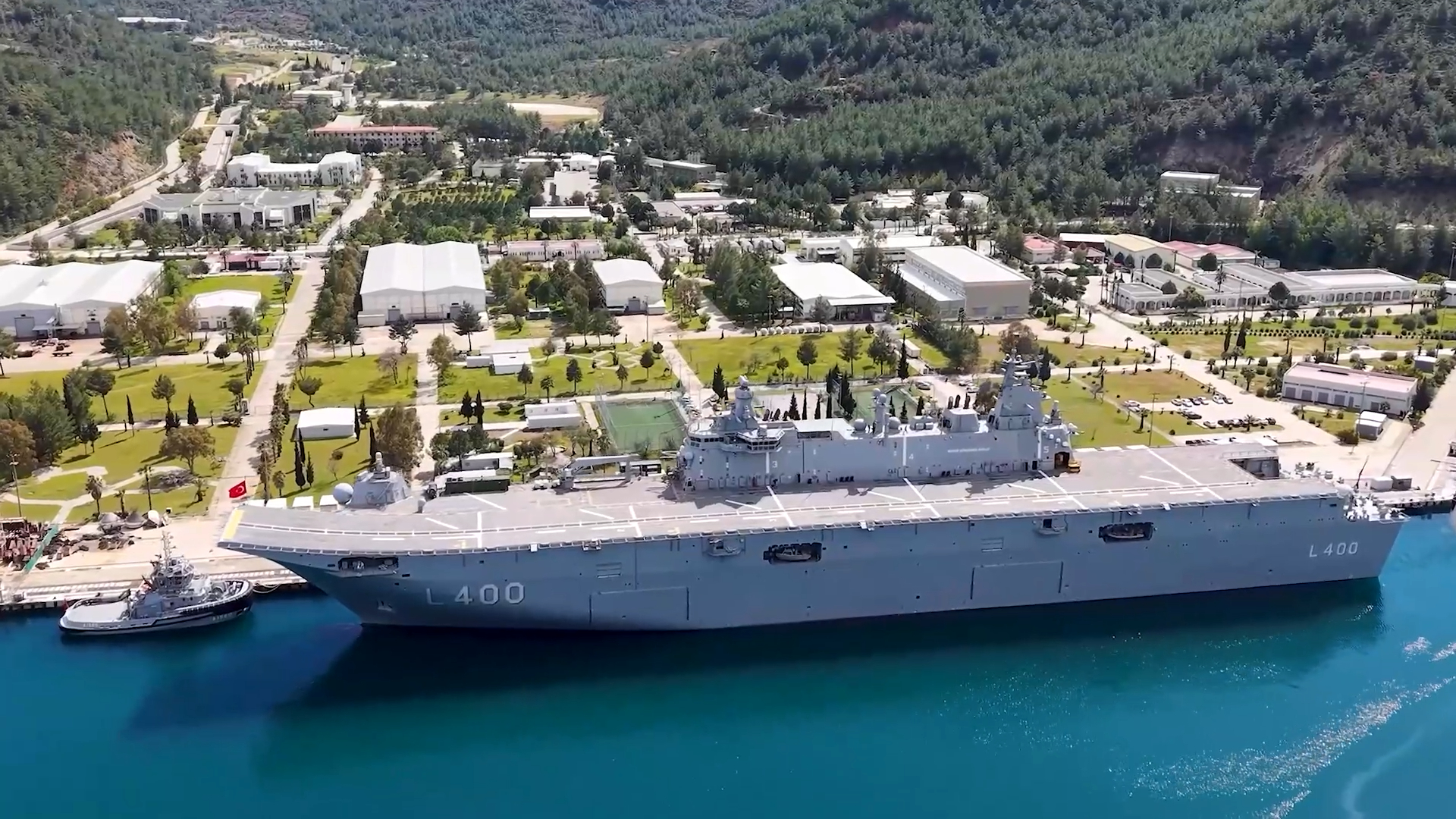
The Turkish Naval Air Power, which has become the most significant naval air power in its region, will gain a global dimension with the Anadolu Multi-Purpose Amphibious Assault Ship (LHD) Project carried out by the SSB. With the LHD Trakya and New Generation Aircraft Carrier Projects, which are expected to be launched in the coming years, the Turkish Naval Air Power will also achieve carrier-capable multirole combat jets and fulfill all kinds of duties that will be entrusted to it in the protection of our maritime rights and interests in the Blue Homeland.
Aware of their nation's trust and confidence in them, our naval aviators, who blend seamanship and aviation professionally with courage, run towards new goals with the strength from their glorious history. As the Navy’s seeing eye, hearing ear, long arm and strong fist the eye our Naval Air Power is ready for any mission in the world’s seas, whether stationed on the ship or on land.
Turkish Naval Aviators, who have taken their place since the beginning of Turkey's aviation history, look to the future more hopefully with the strength from their deep-rooted history and look forward to the next stage in their organizational capability, the day when they will have a carrier-based combat aircraft. The most recent operation in Libya (Navy's first real overseas combat mission after the Cyprus Peace Operation) and the seismic research and drilling activities carried out in our Exclusive Economic Zone in the Eastern Mediterranean and the Black Sea have once again demonstrated that Turkey needs more effective naval power to benefit more from the surrounding seas (including natural gas and oil resources).
With one or more LHD/Next Generation Aircraft Carriers capable of carrying fighter aircraft, modern submarines, fast fleet replenishment tankers, modern manned and unmanned fixed and rotary wing air elements with ASW/ASUW capability, and AAW frigates and destroyers, the Turkish Naval Forces will transform from a brown water navy to a blue water navy and play an essential and significant role in the realization of Turkey's vision and goals for the future. Having such a strategically important naval and naval air power in Turkey's hands will undoubtedly increase both our country's deterrence and our bargaining power on international platforms!