Thermal & Acoustic Insulation Concepts Based on SOLIMIDE® Polyimide Foam Latest News on Usage of the Lightweight, state-of-the-art Insulation Product
The U 212 A submarines being built at FINCANTIERI for delivery to the Italian Navy in 2013 and 2014 are the latest in the series, offering improved materials and reduced maintenance costs. The two vessels feature an insulation system based on polyimide foam.
Thermal/acoustic insulation systems built with SOLIMIDE® polyimide foam are lighter than traditional marine fibreglass systems, easy to fabricate and install, and eliminate the need for perforated metal facing. Additionally, the non-flammable polyimide foam at the base of the system is formaldehyde-free and contains no halogens or HCFC’s.
In February 2012, FINCANTIERI’s new lightweight insulation concept, based on SOLIMIDE® TA-301 foam with vapour barrier facing, was approved and installed on vessel #1. This approval marked the end of a sequence of temporary concepts developed and installed by HDW for national and export navies, including:
a)Concept #1 – U 212 A, batch I (4 vessels for the German Navy) : A mix of melamine-formaldehyde foam for thermal applications and polyimide foam for acoustic insulation was qualified by BWB / WiWeb.
b) Concept #2 – U 212 A, batch II (2 vessels for the German Navy) : SubMatTM, a multi-layer blanket insulation, was qualified to meet tightened air quality requirements and address concerns with formaldehyde off-gassing.
c) "State-of-the-Art" Concept #3 – U 212 A (2 vessels for the Italian Navy): In 2011, HDW proposed a lighter weight SubMatTM system to comply with the needs of the modified design for FINCANTIERI. After extensive comparison testing at the Italian Navy test lab (CSSN), the Italian Navy qualified an all-polyimide foam design instead, and incorporated it into their specification.
With this, the Italian Navy joins navies around the world that rely on SOLIMIDE® foam-based systems to insulate their submarines, including:
•Israel (Dolphin class; HDW design)
•UK (Astute class; BAE Systems design)
•Australia (Collins class; Kockums design)
•USA (Los Angeles, Seawolf, and Virginia classes; USA design)
Surface Combat Vessels
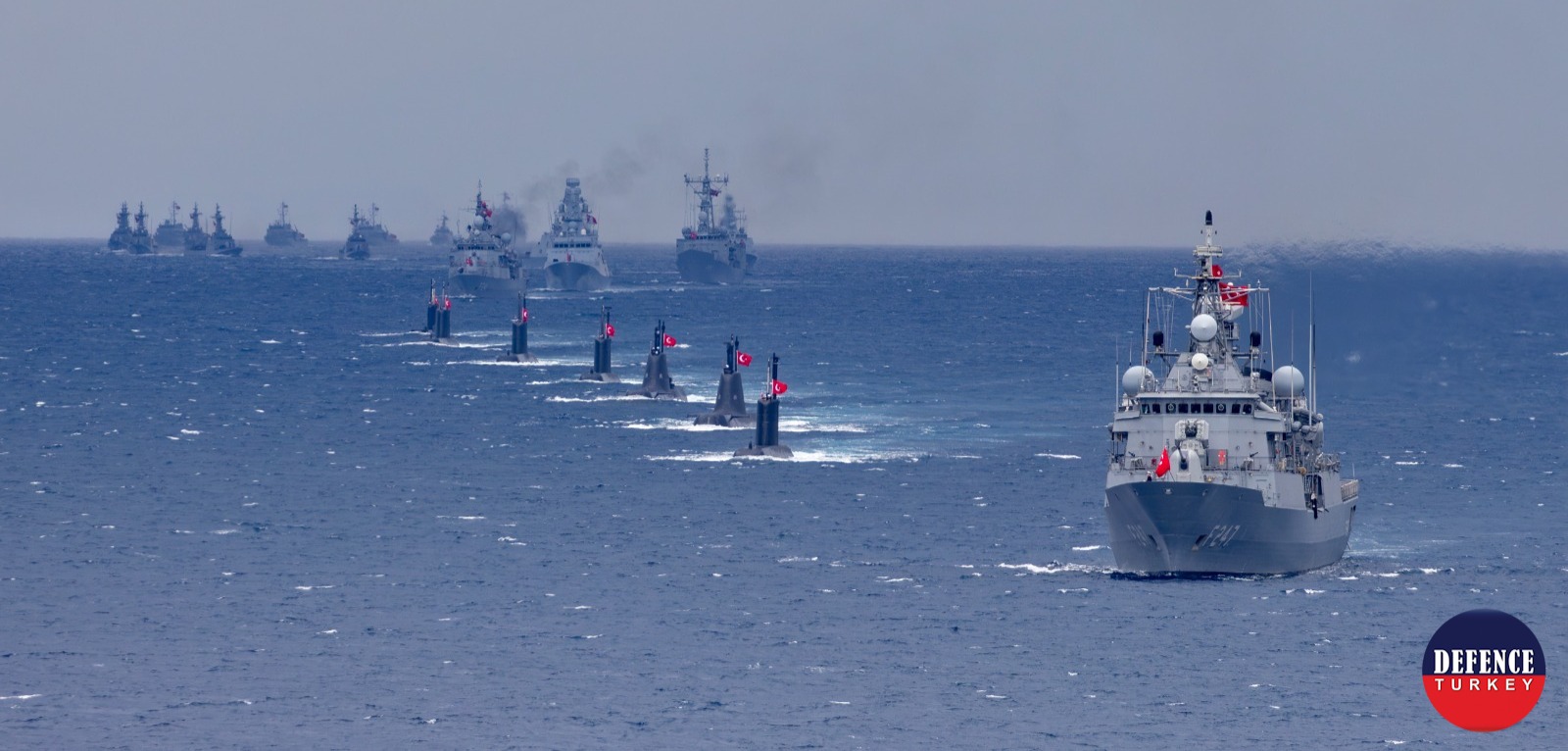
SOLIMIDE® foam boards faced with fibreglass cloth finish (SOLIBOARD-CF) show a strong flat surface that can be painted and does not need to be protected by perforated metal covering. This "metal-free" insulation concept, with its remarkable weight savings, is a proven design used on the combat ships of more than 14 of the world’s leading navies.
From 1996-2006, eight ANZAC Class vessels (Meko 200 frigate design) were constructed in Australia for delivery to the Royal Australian Navy. SOLIMIDE® foam insulation replaced the traditional marine grade fibreglass, saving 23 tons per vessel.
A combined insulation system – faced SOLIMIDE® polyimide foam layered over lightweight mineral fibre felt – has been proposed for the Meko 200 frigate (TKMS design) for the Algerian Navy. This combined system provides weight savings of 5 tons more than a lightweight fibre-only solution, and provides a flatter, more durable surface. The layered foam / fibre system can be supplied as pre-assembled boards, for faster fitting and reduced installation costs.