TOBB Turkey Defence Industry Assembly Status of Turkish Defence 10 Years to 2023
The Turkish Defence Industry has been continuing to strengthen and develop with the public and private players as well as all relevant organs of the sector towards 100th anniversary of the foundation of our republic. One of these players is TOBB Turkey Defence Industry Assembly, performing its activities incorporated under TOBB.
The Union of Chambers and Commodity Exchanges of Turkey (TOBB) has been performing studies in line with the needs of the business world as the primary legal representative of the Turkish private sector, seeking solutions for the sector’s problems and contributing to the stable development of the private sector.
Turkey Defence Industry Assembly is one of 61 sector assemblies established under the umbrella of TOBB as per the regulation enacted on the Official Gazette dated 12 February 2005 with the no of 25725.
Turkey Defence Industry Assembly was constituted by an executive board consisting one president, two vice presidents and one counsel together with 40 assembly members. The executive board is selected biannually. The executive board regularly meets on a quarter basis and also upon request of the president and one-third of the members of regardless of time. During the last 7 years, it handled many issues primarily on sectorial legislation as well as regarding sectorial problems and provided solution for the majority of them.
I would like to give information on some of the studies of our Assembly especially regarding the sectorial studies.
With the joint studies of SASAD and Undersecretariat for Defence Industries handled by the Assembly, the problems of the sector regarding VAT return were substantially solved. The studies for the desired level of solution are still continuing.
The contributions, even at small amounts, for SME’s who have financial difficulties at IDEF in respect of space rental, were provided through KOSGEB. Participation in this fair is still problematic despite the provided support. The desired solution is to include IDEF within the scope of incentives provided for foreign fairs.
Our Assembly has been carrying out studies with the Public Procurement Authority (KİK) for providing 15% advantage in favor of local bidders in international tenders by through using terms local producers and products instead of local authorities. The related ministries and TOBB have been continuing studies for the definition of local product.
Positive developments regarding the establishment of “Export Loan System” on which our Assembly has been working since its foundation were underway. A protocol was signed between Eximbank and the Undersecretariat for Defence Industries on this matter. Our Assembly will be carrying out its studies related with this matter. The prominent players of defence sector have obtained a significant competitive advantage in foreign markets through loan mechanisms.
In the forthcoming period, many subjects such as Occupational Medicine, Occupational Health, Inward Processing Regime and Inward Processing Authorization Certificate laws, Incentives and Supports provided to technoparks and R&D centers are taking part in our Assembly’s agenda.
The sector which has strengthened and developed by policies and strategies applied since 1985 until today has brought along one other power. This power is the variety of Small and Medium Enterprises which have been performing design and R&D oriented activities as well as establishing Turkey’s technological infrastructure. This powerful infrastructure is the future of our sector. However, due to the difficulties encountered in weapon producing companies during the last 5 years, foreign companies have shown great interest to Turkish markets through making investments with partnerships. The streaming of foreign investors to Turkey is still ongoing with the investment incentives and supports provided by our government. At the first glance, this is undoubtedly significant for Turkey in respect of economy. However this matter is strategic for the future and increases the need for separate policies and strategies. If a foreign company says “I want to make investment on this field, I don’t want to establish a partnership”, then we should think twice. The important thing is the added value provided by such kinds of companies in our country’s economy. Since the big investment companies have investments in other underdeveloped or developing countries, they possibly prevent the development of our SME’s as well as their work shares significantly.
The legal regulations needed for this matter should be reviewed and the gaps should be determined and filled out.
The SME’s performing advanced technology business in western countries could not survive especially due to the financial difficulties and they bring together with themselves the technologies that we are in need of. We believe that it is necessary to acquire such companies and bring their technologies to Turkey with the incentives and supports to be enacted.
I also would like to share with the parties some other issues that may contribute to the target achievement of the sector for the next 10 years.
For the last 4 years, our world has been encountering experiences which directly or indirectly affect the defence industry. It is not possible to say that Turkey is not affected by such circumstances.
The world’s defence industry has not ceased the effects of global economic crisis of 1999 and 2008 yet. I would like make a brief remark on three major factors that will form our sector towards 2023.
The “Arab Spring” and change in threat perceptions of Western countries due to the crises can be considered as reasons more or less affecting the defence industry sector.
The threat perceptions of developed countries having higher defence expenditures and productions have changed after September 11 attacks and led to the generation of security based antiterrorism oriented concepts and tended to peacekeeping operations based industry. The countries except USA and Western and Central Europe have been continuing to allocate money from their budgets to the needs for classical war means in addition to security based industry means.
No significant changes on this matter are expected during the next 10 years. I think Turkey’s needs for classical war equipment and accessories as well as antiterrorism means will continue during the next 10 years. The most important issue which is subject to change is the studies and applications of the importing countries for the development of their local defence industries. The awakened countries have started to implement the approach like “bring your technology and let’s produce my needs together locally and sell them together to other countries as well” instead of procuring off-the-shelf goods and services. By this way, western countries have started to transfer their capabilities, which are under the risk of dissolution, to exporting countries under the name of joint production.
Especially the EU countries have been trying to close the gap arisen due to reduction in expenditures through collaborative structuring in the sector. However it is not wrong to say that such studies are not progressing as expected.
The increases in expenditures have continued between 2002-2011 at all regions except for Western and Central Europe. What is remarkable is that the increase was seen in 76% of the countries during 2002-2008 whereas it reduced to 56% during 2008-2011.
The Western and Central Europe have started to feel the effects of economic crisis since 2010. The European defence expenditures are totally 407 billion USD and the 1,9% reduction in the west has become an offset within the 10% increase in the Eastern Europe. The most significant increase in the Eastern Europe is seen in Russia and Azerbaijan. Russia has increased its 2010 expenditures by 9,3% and realized 71,9 billion USD defence expenditures in 2011. Rusia plans to make expenditures at an amount of 650 billion USD for 2011-2020 period.
Greece, Italy and Spain, which have extremely suffered from the effects of 2008 crisis, are expected to reduce their defence expenditures within the next 10 years instead of increasing despite the newly appointed governments. Greece has already ceased to procure new equipment as well as maintenance and repair and modernization activities.
UK, France and Germany have started to make plans for significant cuts in their defence budgets since 2010.
The world’s defence expenditures are likely to reduce in USA and Western European countries within the next 10 years whereas in other problematic regions they are likely to continue increasing even a little. The countries increasing their defence expenditures will slowly increase their capabilities through the technologies obtained from the west. But as a result there will be a market shrinkage and those who have higher competitive power will continue to progress in the sector.
In that case, Turkey should establish its credit purchase system while it continues the acquisition of indigenous technologies and use this system as a competition method.
The new production strategies have slowly become efficient and the production companies have tended to: Gelişmekte olan yeni üretim stratejileri yavaşta olsa kendini hissettirmeye başlamış, üretici firmaları;
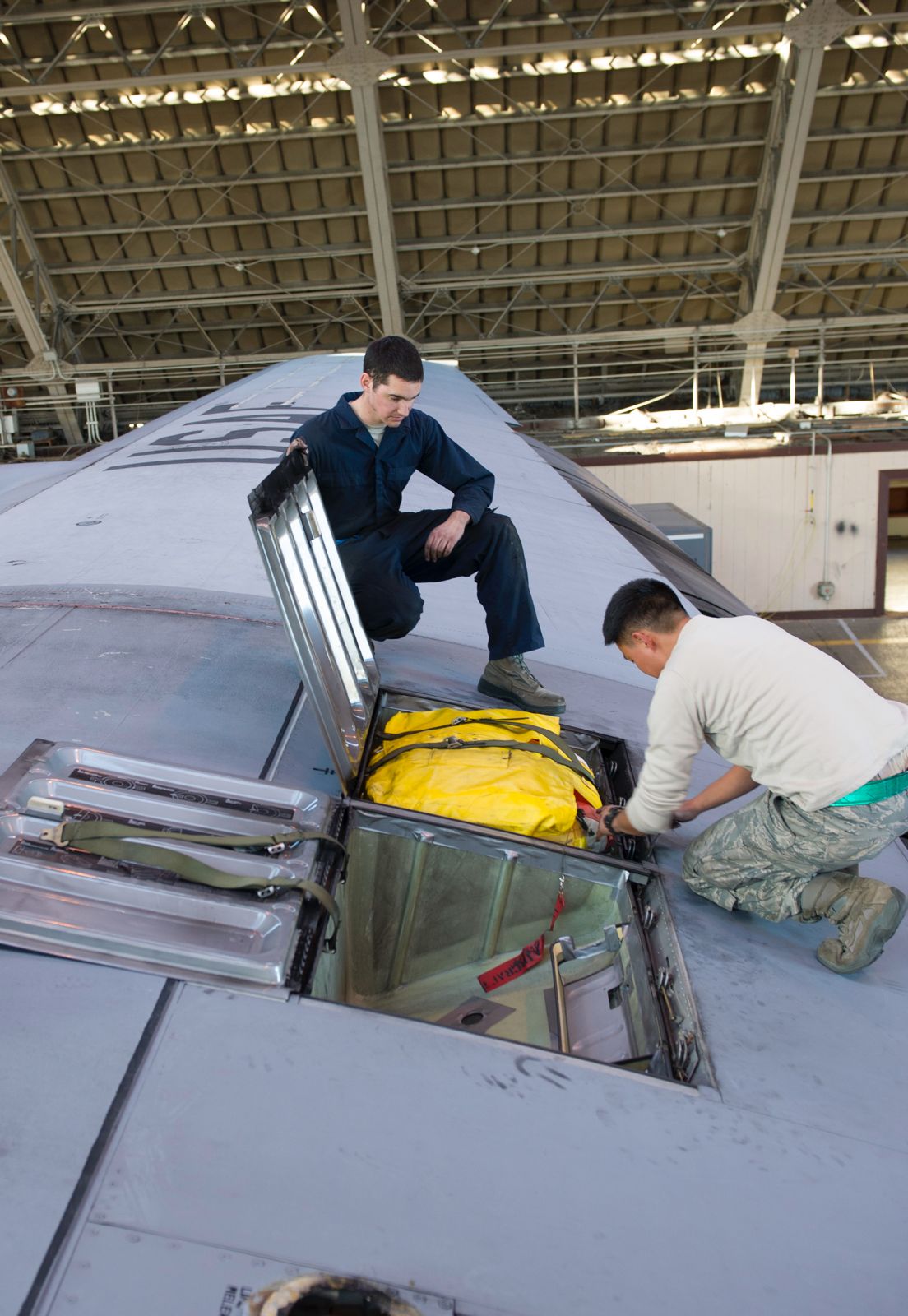
The maintenance, repair, renovation and modernization services primarily for aviation and space sub-sector,
The production of UAV’s support systems,
The logistics of war and peacekeeping operations,
The trainings for foreign military personnel, peace-building and peacekeeping as well as security sector.
It is expected that such needs in the field of aviation and space will be the first item in the procurement lists of the countries.
When the export figures of 2011 as well as export products and services are evaluated, it is seen that the aviation and space will go through the maximum increase in respect of sub-sectors within the next 10 years. Turkey should continue the development initiated in this field increasingly during the next 10 years. We should aim to make Turkey as a maintenance, repair and logistics base in respect of aerial platforms.
The world’s defence industry export activities are likely to tend to maintenance, repair and modernization oriented goods and services towards 2023. Service oriented demands will be of more interest in the field of aviation and space which requires advanced technology. Turkey is still in a position to meet western technology products aerial and space vehicle needs of the world’s armies with the capabilities acquired until today. The long term and low interest loans will determine the competitiveness of Turkey in this field amongst other countries.
2023 VISION
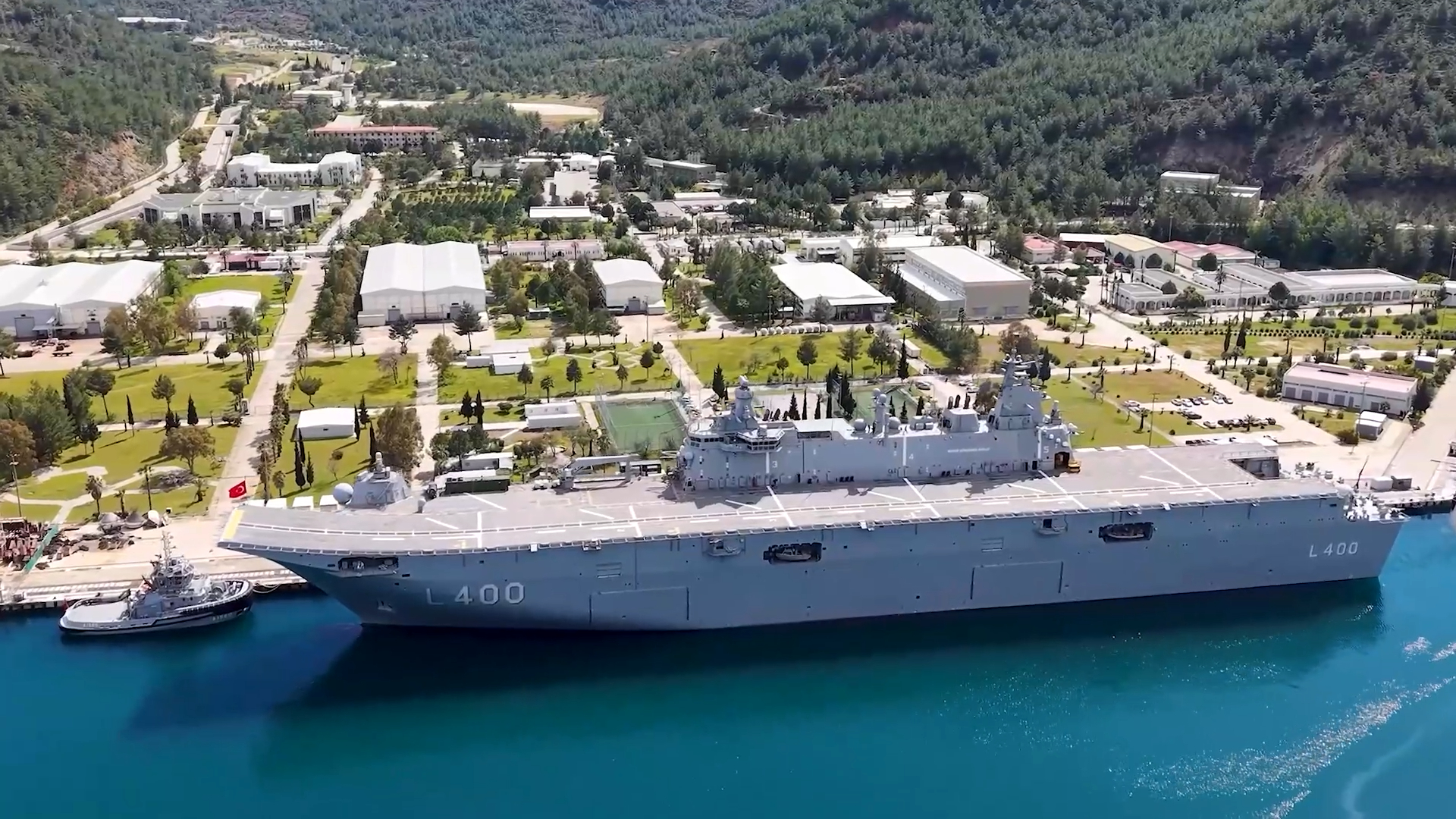
Turkey is a country that has a developing defence industry. It should progress in this field and become one of the countries that have developed defence industries towards 2013. It should develop the product range in respect of land and naval platforms (except for submarine) and accelerate product development studies.
Our foreign dependency in respect of aerial and space platforms still continues. However we have acquired significant capabilities through international projects and joint production projects. While continuing platform development studies in this field, we should focus on and accelerate marketing activities by expanding maintenance, repair and modernization capabilities. We should also continue the initiatives to become logistics base for major platform manufacturers.
While continuing the studies for the development of unmanned vehicles, Turkey should also keep on development, production and marketing activities of small-medium-long range unmanned aerial vehicles and increase the acceleration achieved for the maintenance, repair and development of spare parts of these platforms.
Considering the efficiency and low cost of cyber wars, the structuring efforts initiated in this field should be accelerated and the security of the software based systems produced should be concentrated and prioritized.
Turkey should market its capabilities acquired in antiterrorism activities and focus on the production of security oriented equipment and tools.