Turkey and US: A Long Lasting Cooperation, A Strategic Partnership
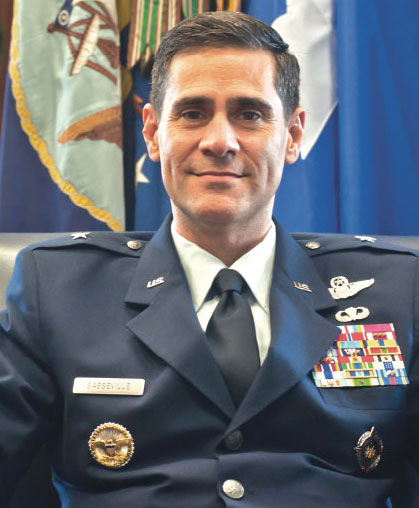
Defence Turkey: You are assigned as the Senior Defence Official and Defence Attaché (SDO/DATT) to Turkey. First of all, we would like to congratulate you on your new mission. As the SDO/DATT, you wear two hats as both the US Defence Attaché and the Chief of the Office of Defence Cooperation (ODC). Could you please inform us about your missions and responsibilities with this two-hat approach?
First and foremost, I thank you for your kind words and the opportunity to share some perspectives with you. As the SDO/DATT, I represent the US Secretary of Defence and lead the US DoD Team here in Turkey. Serving in direct support of the US Ambassador’s larger team, this DoD team is a joint, Army-Navy-Marine Corps-Air Force organization that engages our Turkish host and partner across a broad spectrum of defence matters of mutual interest. One part of the DoD team – the ODC – coordinates with the Turkish government on security assistance concerns and security cooperation programs to include defence industry participation in Turkish defence initiatives. The ODC also supports the U.S. portion of historical US-Turkey military activities in Turkey, facilitating and managing military-to-military agreements, exercises, training and basing. The other part of my DoD Team – the Defence Attaché Office – engages and manages the official diplomatic representation, diplomatic clearances and relationship for national defence matters between Washington, DC and Ankara.
Defence Turkey: How could you assess the current level of cooperation between the Turkish Armed Forces (TuAF) and the US Armed Forces within the scope of the Defence and Economic Cooperation agreement (DECA)? What is your assessment on the future of cooperation between the two allies?
The Turkish Armed Forces and the U.S. military have a long history of strong, close military ties. Since coming aboard in April 2014, I’ve personally witnessed this relationship grow even stronger over a short period time. Thanks to a solid team here at the U.S. Office of Defence Cooperation Turkey, the U.S. Defence Attaché Office, and the Departments of State and Commerce, our relationship with TuAF will continue to flourish. Everyone involved with the U.S. Mission to Turkey is committed to strengthening the bilateral relationship, not only with the Turkish military, but with the Ministry of Foreign Affairs, the Ministry of Defence, and the Undersecretariat for Defence Industries.
The DECA is the foundation of the Turkish-U.S. bilateral military relationship, being an important tool to resolve issues at the working level and keeping our alliance on track. Currently, Turkey is facing serious security challenges on its southern borders with Iraq and Syria. The current instability in the region is not only a threat to Turkey, but to the U.S. and other allies as well. As we head into the future, there is no doubt that we will continue to work with Turkey, streamlining processes that will enable us to counter threats strategically.
Defence Turkey: The US and Turkey have close military ties and long lasting cooperation. The US DoD Team in Turkey has a significant role in maintaining the strategic partnership between two allies. Could you please enlighten us about on the major bilateral military and security cooperation activities, personnel exchange programs and exercise programmes?
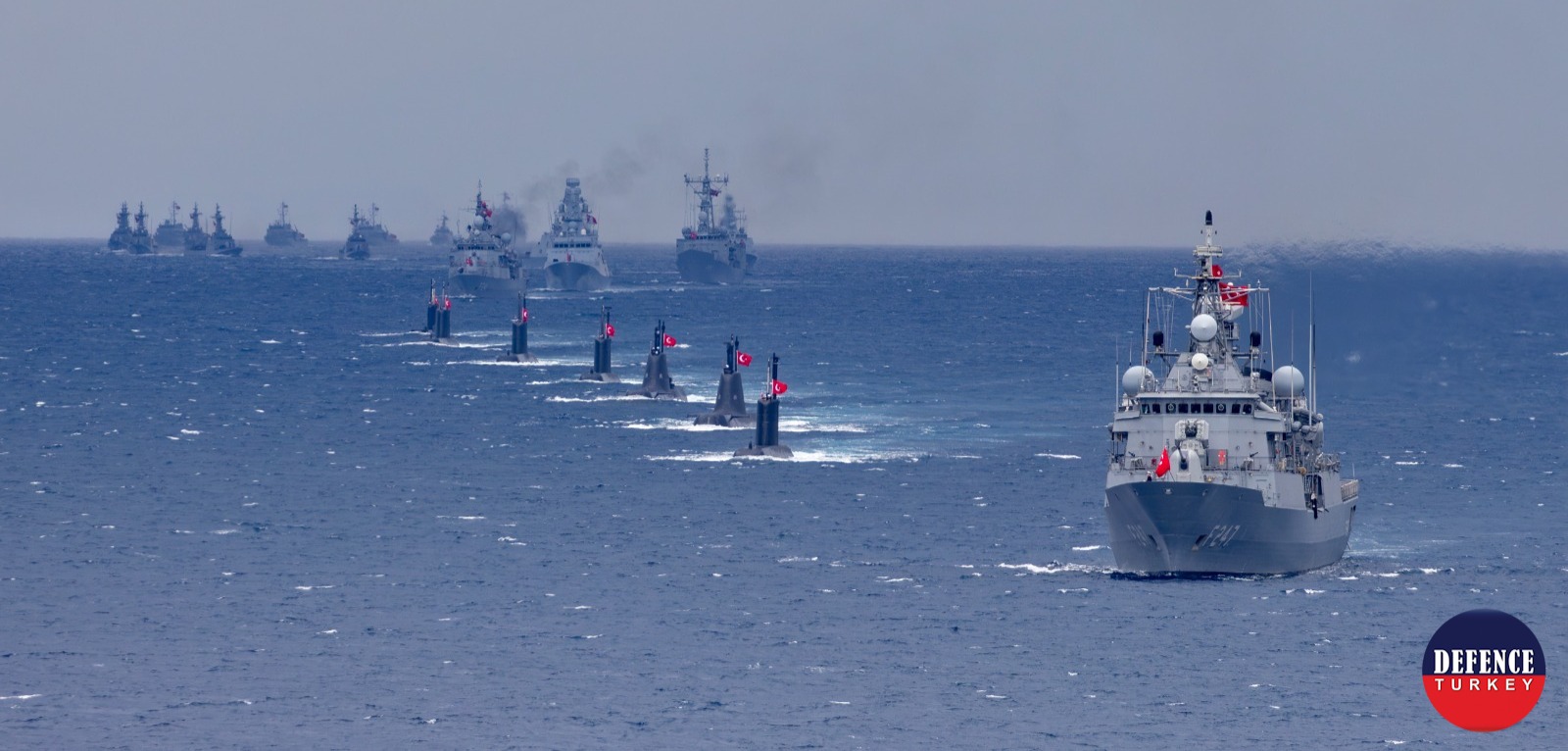
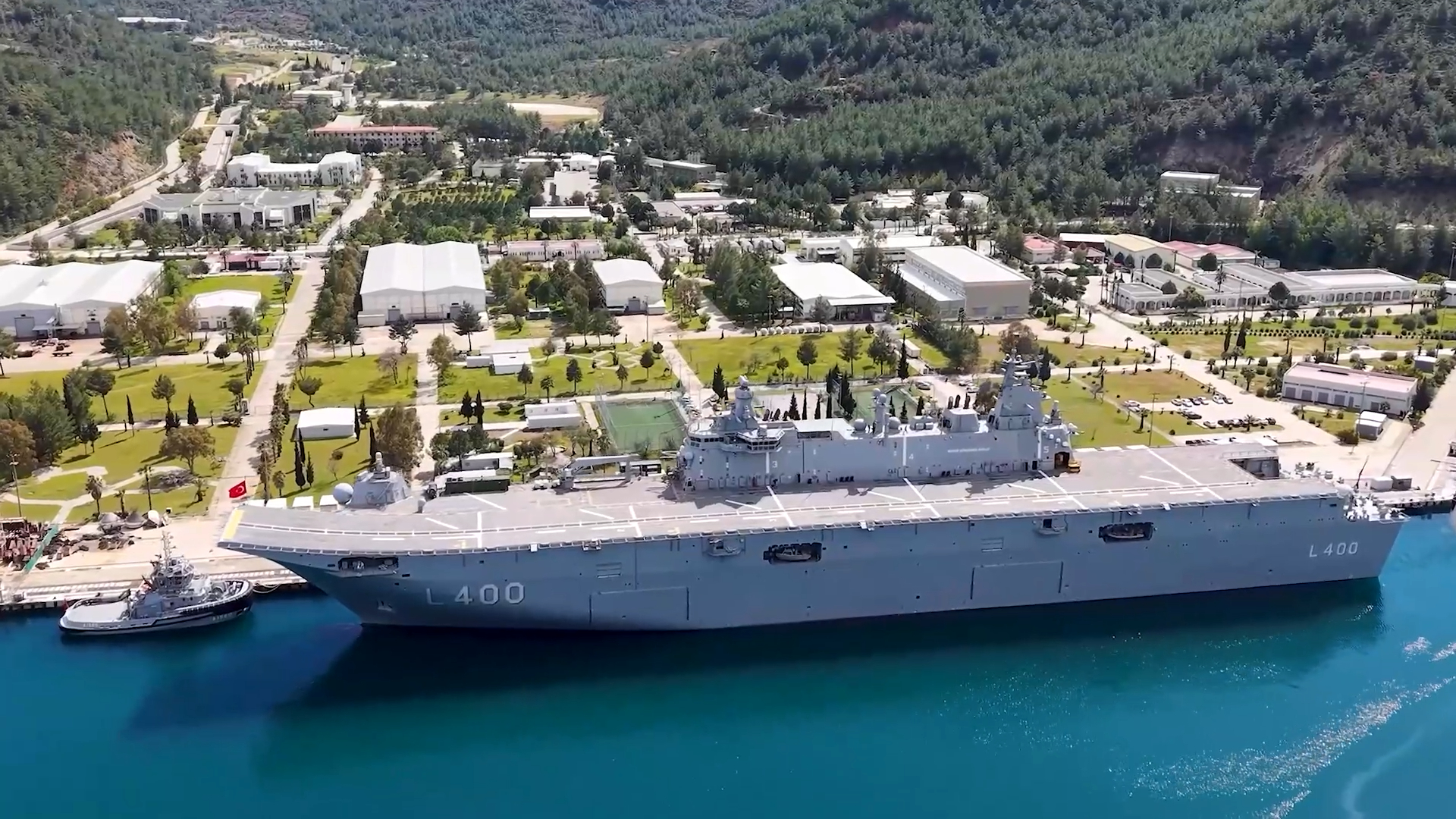
The US DoD Team in Turkey coordinates numerous bilateral security cooperation activities with our NATO partner. These activities range from coordinating high level visitors, hosting rotating high level leadership conferences such as the High Level Defence Group (HLDG) scheduled for Washington D.C. this fall all the way down to bi-lateral tactical events like the four Passing Exercise (PASSEX) conducted by our Navies in August. Other activities include exercises to support Special Operations, Army, Navy and Air Force operational training and events primarily focused on improving interoperability and the overall military readiness of both countries. In addition, ODC Turkey recently coordinated Army-Army talks in September and is currently coordinating upcoming Navy-Navy talks. Also, we just concluded the final planning conference for exercise Cooperative Resolve which will benefit both countries’ land forces. Currently, the U.S. Air Force provides Turkey with an exchange F-16 pilot who is assigned for 2 years to Turkish Air Force units and provides instructor pilot education alongside his Turkish counterparts.
In regard to education and technical training, the Training Office (within the ODC part of my US DoD team) enables about 400 Turkish students from both military and civilian backgrounds to attend U.S. training and conferences each year. The International Military Education and Training (IMET) grant program provides about $3.3 million to Turkey for professional military education and advanced training. We also manage the Counter-Terrorism Fellowship Program (CTFP), which provides about $1.8 million in U.S. funding to help strengthen our community of counter-terrorism experts. These two grant programs are funded by the United States for Turkey to improve defence capabilities and to fill critical requirements. These are in addition to the Foreign Military Sales training and Turkish national funding for such things like travel and per diem for the students.
Defence Turkey: As well as military ties, Turkey and US have a significant defence industry cooperation performed over the years. How do you assess industrial cooperation between two countries?
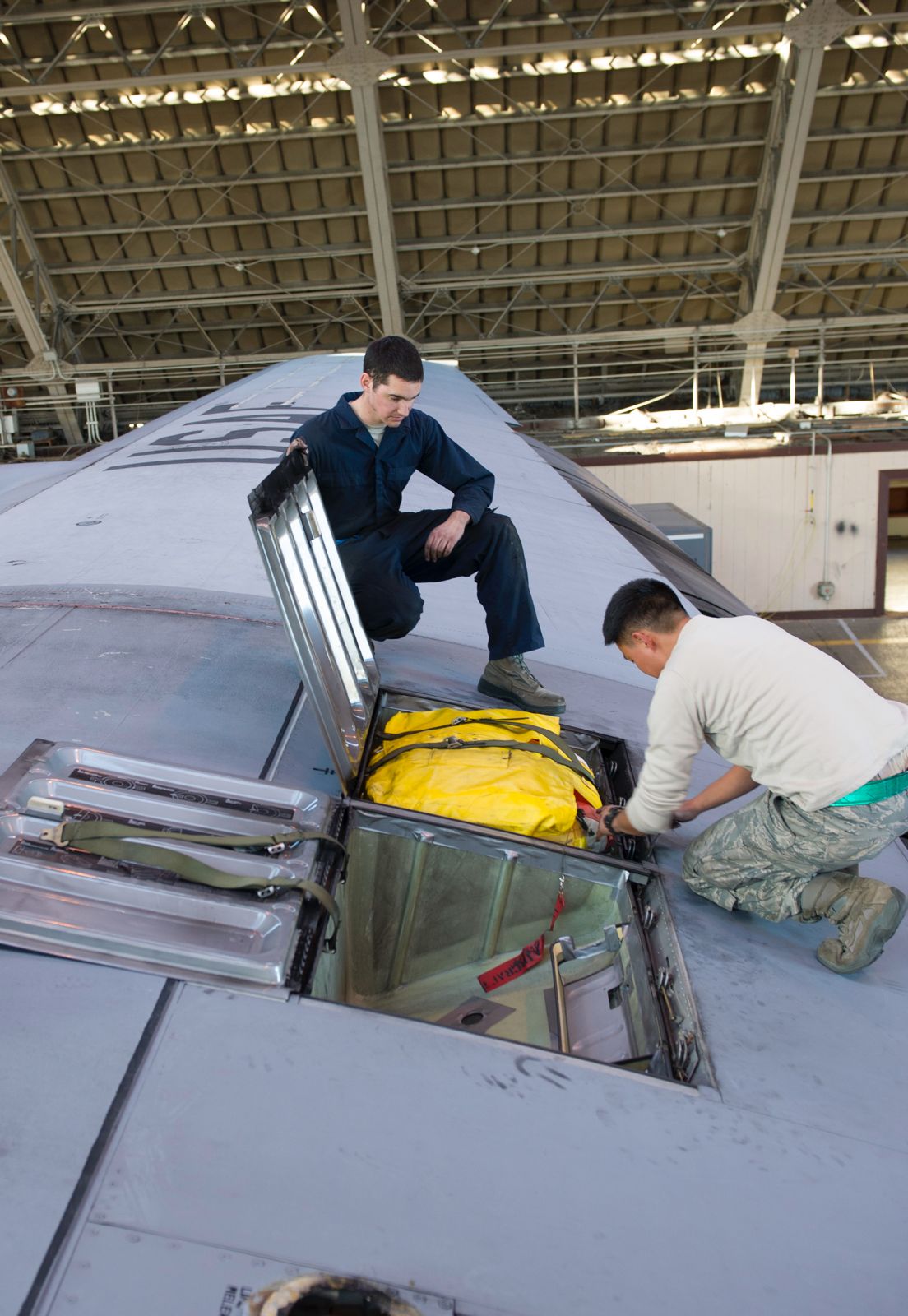
Defence industry cooperation is both extensive and mutually beneficial for the United States and Turkey. Turkey is a key consortium partner in the F-35 project. For example, TAI became the second source for the F-35 center fuselage, providing a key section of the aircraft and strengthening the defence capability of all of our mutual partners. In addition, Turkey is a key partner for producing everything from aircraft weapon rails to helicopter engines; most recently in conjunction with Honeywell to power Turkey’s indigenous attack helicopter. Nearly every major US defence company co-produces with or has components supplied by Turkey. The United States gains from a quality partner and Turkey gains valuable defence manufacturing technical knowhow and employment opportunities. It is a great partnership.
Defence Turkey: What are the short and long term objectives and strategies of the US DoD Team in Turkey?
Long term, the team wants to help our strategic NATO ally improve its already impressive capabilities, so that we can continue to work together in the region and globally as partners. We do this by developing long lasting relationships and deeper mutual understanding of our military cultures and our tactics, techniques and procedures. Short term, we work towards these objectives by ensuring a high level of interaction between our security establishments. This interaction comes from multi- and bi-lateral training, exercises, intelligence sharing and exchanges. Ultimately, the relationships we help build will drive our long term partnership.
Defence Turkey: Would you like to add a message to our readers?
The United States and Turkish militaries have a great history of cooperation, mutual respect and strong partnership. These are challenging times, and the United States stands side by side with our Turkish ally as we have for six decades. I think President Obama said it perfectly when he addressed your parliament and said “Turkish troops have served by our side from Korea to Kosovo to Kabul. Together, we withstood the great test of the Cold War.” With the current situations in both Iraq and Syria, the US DoD Team in Turkey is here to foster this critical relationship in every way possible and to develop measures that bi-laterally strengthen our militaries’ capabilities to face and defeat both current and emerging threats. I am very optimistic that through open dialogue and shared common goals we can make our relationship even stronger, to the benefit of NATO, the U.S. and Turkey.