Türkiye’s NATO Membership: A Mutual Necessity or A Mutual Benefit?

Established on April 4, 1949, and now celebrating its 76th anniversary, the North Atlantic Treaty Organization (NATO) is a powerful political and military alliance comprising 32 nations united by a common goal: preserving peace and ensuring the security of over one billion citizens. NATO’s mission is to safeguard the freedom and security of its members through both political and military means. While the Alliance is committed to the peaceful resolution of disputes, it retains the military capacity to conduct crisis-management operations if diplomacy fails. Such operations are conducted either under Article 5 of the Washington Treaty—the principle of collective defense—or with a United Nations mandate, independently or in cooperation with other international actors. As the longest-standing military alliance in modern history, NATO has demonstrated remarkable adaptability and resilience over more than seven decades.
Türkiye’s accession to NATO in 1952, alongside Greece, marked a turning point in its foreign and security policy. The decision to join was primarily motivated by the growing threat posed by the Soviet Union and the potential spread of communism in the region. Key Soviet actions—such as the 1939 demand for regime change in the Turkish Straits, the refusal to renew the 1925 Friendship and Non-Aggression Pact in 1945, and territorial claims on Kars and Ardahan—compelled Türkiye to draw closer to the Western bloc. The protocol for Türkiye’s NATO membership was signed on October 17, 1951, and the law ratifying the country’s accession was enacted on February 18, 1952.
By joining NATO, Türkiye aimed to strengthen its ties with the West, secure military protection, and modernize its economy and armed forces. Over the years, NATO has supported the development of military infrastructure in Türkiye and contributed to the modernization of the Turkish Armed Forces (TAF). Article 5 of the Washington Treaty has served as a critical security guarantee for Türkiye, as it has for other member states. Throughout its 73-year membership, NATO has consistently proven to be one of the fundamental pillars of Türkiye’s national defense and security.
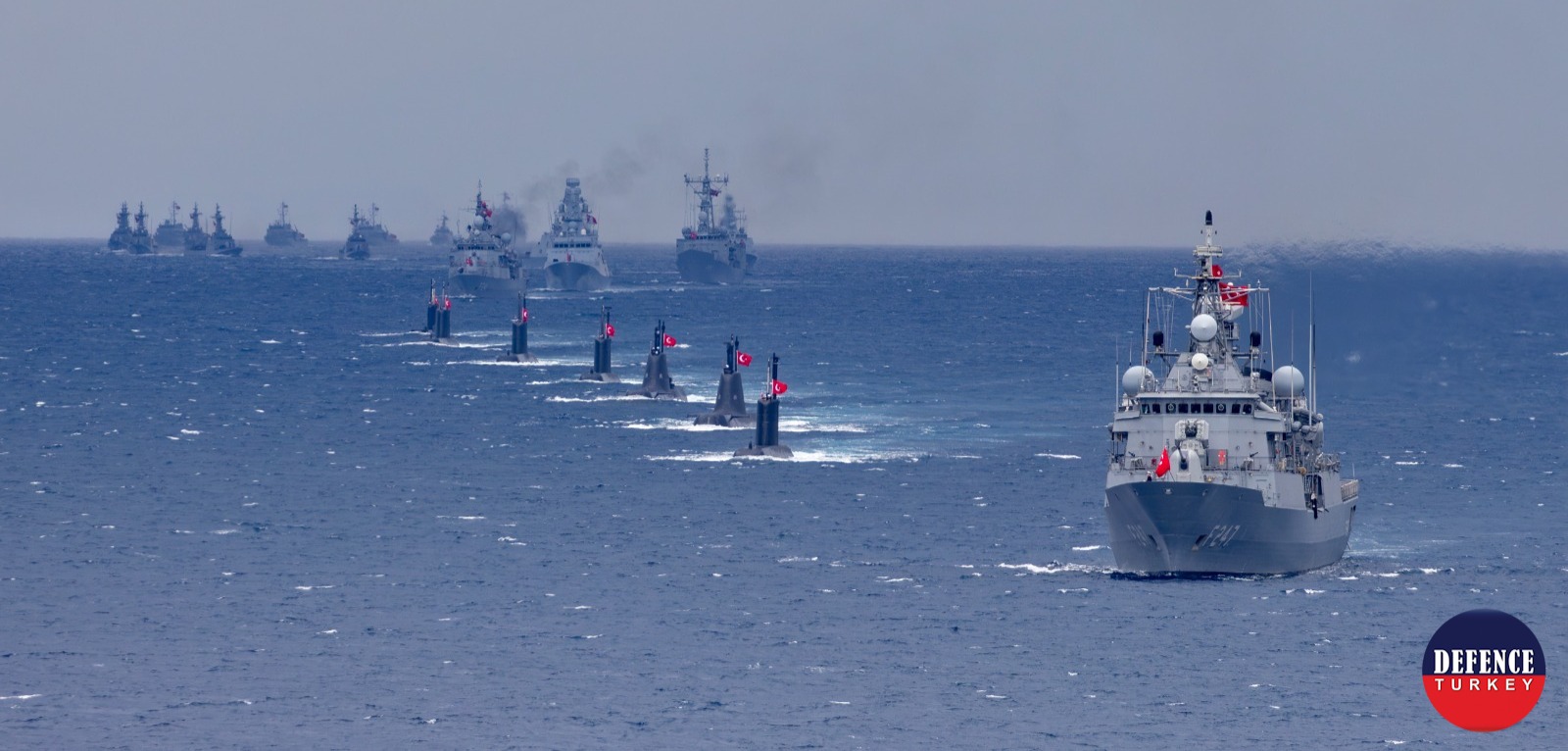
During the Cold War, Türkiye played a pivotal role in NATO’s collective deterrence strategy. It hosted key NATO facilities, fielded one of Europe’s largest armies, and acted as a buffer against Soviet naval expansion. Türkiye also participated in numerous joint exercises and operations. However, the end of the Cold War prompted NATO to undergo a significant transformation. The Alliance restructured its command and force posture in response to evolving threats, while also establishing partnerships with non-member countries and expanding its strategic outreach.
While many NATO members enjoyed a more secure post-Cold War environment and reduced their defense expenditures, Türkiye continued to face substantial threats to its national interests, physical security, and economic stability due to its geostrategic location and historical responsibilities. These changes have inevitably reshaped Türkiye’s role within the Alliance.
As the nature of global threats shifted, so did the perception of Türkiye’s importance. Whereas Türkiye’s geographic position once defined its strategic value, its growing political influence and operational contributions have since taken precedence. Türkiye played a crucial role in developing NATO’s Partnership for Peace initiative in the post-1990 period, building strong relationships with former Warsaw Pact countries. Türkiye’s diplomatic reach in Central Asia, the Caucasus, and the Balkans has further solidified its status as a regional power within NATO.
Türkiye has also made significant military contributions to NATO’s post-Cold War missions. Between 2001 and August 2021, approximately 20,000 Turkish troops served in Afghanistan under the International Security Assistance Force (ISAF) and Resolute Support Mission (RSM). Türkiye contributed military personnel, armored vehicles, and helicopters to these missions. Additionally, Türkiye deployed over 300 troops to the Kosovo operation (KFOR), nearly 300 personnel and a frigate to the Active Endeavour operation in the Mediterranean, and officers to the NATO Training Mission in Iraq. Starting from 1999, Türkiye has contributed troops to NATO's mission in Kosovo, helping to maintain stability in the Balkans and supporting NATO's role in the region. As one of the countries contributing the most to NATO's Kosovo Force (KFOR), Türkiye currently takes part in KFOR with 325 troops, making it one of the countries with the largest number of personnel in the mission. Having successfully fulfilled the KFOR Command duty during the October 2023–2024 term, Türkiye will assume the same duty for a second time for a period of one year starting from October 2025.
Türkiye also twice assumed command of the ISAF operation—from June 2002 to February 2003, and from February to August 2005. From November 2009 to the end of 2014, Türkiye led the Kabul Regional Command, one of ISAF’s six regional commands. Moreover, Türkiye was designated a “framework nation” alongside the United States, Germany, and Italy in the NATO-led Resolute Support Mission (RSM), which began on January 1, 2015, following the conclusion of ISAF’s mandate and was terminated early September 2021.
With its 73-year-long membership under the NATO defense umbrella, Türkiye managed to protect itself during the Cold War from the grave threat posed by the Soviet Union and the Warsaw Pact. NATO membership not only provided critical security guarantees but also has provided the opportunity for at least two groups of Turkish bureaucrats—military officers and diplomats—to be well-trained. Although these two groups are sometimes wrongly labeled by those unfamiliar with them as “pro-Western,” “pro-American,” or “NATO sympathizers,” they have, thanks to NATO, learned to follow global political developments and have been educated in fields such as intelligence, weapons technology, tactics, and operations without falling behind their counterparts.
On the other hand, it is evident that Türkiye’s NATO membership has also played a significant role in preventing extensive external interference in the country, which is geographically located two of the world’s most critical energy basins: the Persian Gulf and the Caspian Basin. It is widely acknowledged that Türkiye’s NATO membership has served as a deterrent against external threats and interventions in the region.
With its accession to NATO, Türkiye, for the first time, delegated the management and execution of its national security to a supranational organization. Over the course of the past 73 years, being part of a structure that has often been guided and armed by a major power has, at times, come with political and strategic costs.
Initially driven by apprehensions over the Soviet Union’s aggressive posture, Türkiye viewed NATO membership as a vital security guarantee. However, from the late 1990s onward, the international environment began to shift significantly. As a result of proactive foreign policy initiatives and strategic investments over the past two decades, Türkiye has emerged as a regional power. In this new context, Türkiye has occasionally found itself balancing its obligations to the Alliance with its own independent foreign policy priorities. Consequently, Türkiye nowadays is no longer operates solely within the framework of NATO’s security policies, as it once did during the Cold War era, but instead pursues a more autonomous and multifaceted strategic posture in line with its evolving national interests.
On February 18, 2025, Türkiye marked 73 years since its accession to NATO. Within this timeframe, Türkiye has been one of the key members of the strategic alliance. Indeed, this partnership has been beneficial for both sides. While NATO has contributed to Türkiye’s security and modernization of its Armed Forces, Türkiye, on the other hand, is among the top 5 contributors to NATO with its support to operations and missions and is among the top 10 Allies that contribute the most to the NATO budget.
In the second part of my article, I will examine the security, military, financial and infrastructural supports that NATO has provided to Türkiye and I will conclude my article with a brief overview of Turkish companies that have recently taken part in NATO projects.
NATO’s Support to Türkiye: NATO Has Played a Significant Role in Supporting Türkiye in Various Military Matters Over the Years!
Playing a strategic role on NATO’s southern flank, Türkiye has, for over 50 years, benefited from NATO’s nuclear and conventional security umbrella against regional threats—particularly the Soviet Union during the Cold War. This protection, coupled with Türkiye’s engagement with democratic NATO allies, has helped shape it into a pillar of regional stability, despite certain internal challenges.
NATO’s Collective Defense in Action
Over the years Türkiye has has repeatedly benefited from NATO’s collective defense outlined in Article 5 of the NATO Treaty, which states that an armed attack against one member is considered an attack against all. For example, in response to Turkish Government request dated December 1989, in January 1990 the air arm of the Mobile Force for Allied Command Europe (ACE Mobile Force/AMF) was deployed at Erhaç Air Base in Malatya. The Belgian Air Force sent 18 Mirage M5s, the Luftwaffe sent 18 Alpha Jets, and Italian Air Force sent 6 F-104Ss. The role of the AMF was basically a show of flag aimed at detterrence.
In order to augment Türkiye’s air defence capabilities to defend its population and territory as per Turkish Government requests NATO also deployed Patriot Air and Missile Defense Systems and HAWK batteries in Southern Türkiye during the Gulf War in 1991. The Netherlands sent 2 Patriot and 2 HAWK Air Defence Systems to deter possible attacks from neighbouring Iraq they were deployed alongside the US Patriot systems in the southeast of Türkiye. Germany, on the other hand, deployed one HAWK Battery with 400 troops, one Roland 2 SAM System and a Patriot battery.
During the Iraqi conflict in 2003, NATO once again deployed Patriot Air and Missile Defense System batteries (the Netherlands stationed 3 Patriot Firing Units, 2 of them were deployed in Diyarbakır and one of them was deployed in Batman) in southeastern Türkiye. Became operational on March 2, 2003, the Netherlands Patriot units, which were to intercept and destroy Tactical Ballistic Missiles as well as hostile aircraft that were violating the integrity of the Turkish and Alliance airspace, received additional enhanced missiles provided by the German Air Force (Luftwaffe). The operational deployment ended on April 16 and most of the Patriot detachment’s military personnel returned to the Netherlands on May 1, 2003. Meanwhile, two NATO E-3A Airborne Early Warning Aircraft (AWACS) aircraft deployed to their Forward Operating Base at Konya (3rd Main Jet Base Command), Türkiye in early Februray 2003, started surveillance flights in Turkish skies on February 26, 2003 to help protect our country from a possible Iraqi missile launch or air attack. They provided the Pariot battiries with information on allyied air activity over Iraq. Türkiye, through the Turkish Air Force (TurAF), received its first E-7T Peace Eagle Airborne Early Warning and Control (AEW&C) aircraft on February 21, 2014 and subsequently declared Full Operational Capability (FOC) on May 19, 2016 with the induction of all four E-7T AEW&C platforms into its inventory. Prior to the acquisition of indigenous AEW&C capability, Türkiye had solely relied on NATO-operated E-3A Sentry AWACS (Airborne Warning and Control System) aircraft to fulfill its airborne surveillance and early warning requirements, dating back to the 1980s. For example, following Iraq’s invasion of Kuwait, NATO E-3A aircraft deployed to 3rd Main Jet Base Command conducted airborne surveillance operations along the Iraq–Türkiye border from August 1990 to March 1991. Similarly, in response to evolving security dynamics in Iraq, NATO E-3A AWACS assets executed over 100 sorties and accumulated in excess of 950 flight hours within Turkish airspace between February and May 2003.
Syrian Civil War & Operation Active Fence
Following the shot down of a Turkish Air Force (TurAF) RF-4E Phantom reconnaissance fighter jet was by Syria on June 22, 2012 and shells fired by the Syrian regime forces killed five Turkish civilians and injured many in the town of Akçakale, in the southeastern Turkish province of Şanlıurfa, on October 3, 2012, Türkiye once again requested, on November 21, 2012, the deployment of NATO Patriot missiles on Turkish territory to bolster her national air defense against ballistic missile threats along the border with Syria and to protect her territory. Three NATO Allies have agreed to provide 2 Patriot Air and Missile Defense System batteries each to enhance Türkiye’s air defense capabilities amid the Syrian Civil War – Germany, the Netherlands and the United States. NATO’s Operation Support to Türkiye (originally named Operation Active Fence) was launched in December 2012 and starting from January 2013, the U.S. batteries, along with 400 troops to operate them, were deployed at Gaziantep, 50 km north of the border. The German batteries, accompanied by 400 troops also, were based at Kahramanmaraş, around 100km north of the Syria border and the Netherlands’ Patriot batteries (with some 360 troops) were stationed at Adana (one of them was stationed at İncirlik Air Base). Within the scope of the NATO’s Operation Active Fence, the first Patriot battery became operational under NATO command on January 26, 2013. During their stay while no missiles were launched the Patriot batteries provided round-the-clock coverage against potential ballistic missile threats from Syria. In January 2015 the Netherlands removed its Patriot batteries from Adana and the Patriot battery in İncirlik Air Base was later replaced with a Spanish Patriot battery. The US withdrew its Patriot batteries in October 2015, and Germany withdrew its Patriot batteries from Turkish soil in December 2015. The German withdrawal leaved only Spanish Patriot systems in Turkish territory. The first Spanish contingent was deployed to Türkiye on December 29, 2014, taking over from the Dutch unit at Adana Airport a month later. In January 2016, the Spanish Patriot Battery was transferred from Adana Airport to İncirlik Air Base. As part of NATO’s Operation Active Fence in response to Türkiye’s request to reinforce country’s border against a possible Syrian missile threat one ASTER-30 Block 1 SAMP/T battery with two Firing Units from the 4th Air Defence Artillery Regiment of the Italian Army was also stationed at Gazi Barracks in Kahramanmaraş during June 2016 and December 2019.
On 26 January 2025, the 10th anniversary of Spain’s deployment of Ground-Based Air Defense systems under NATO’s Operation Active Fence in Türkiye was commemorated. Spanish troops have been stationed in Adana with a Patriot Air and Missile Defense System Battery since January 2015 under the operational command of Supreme Allied Commander Europe (SACEUR) and the operational control of Allied Air Command. This milestone signifies Spain’s unwavering commitment over the past decade, completing 21 rotations and deploying nearly 3,000 military personnel. Since 2023, the Spanish Patriot detachment under NATO’s Support to Türkiye mission has been collaborating with the Turkish Air Force at İncirlik Air Base to train operators of the Battery’s Engagement Control Station and to enhance interoperability and proficiency. In this context, drills were conducted in November 2023, January 2024, and March 2025. Spain has agreed to extend its Patriot mandate in Türkiye to help protect the Turkish territory.
Russian Jet Incident and NATO Solidarity
NATO also stood by and supported Türkiye during the crisis with Russia following the downing of a Russian Su-24 aircraft in 2015. On November 24, 2015, a Su-24 type fighter jet belonging to the Russian Air Force was shot down near the Syrian–Turkish border by a missile from a patrolling Turkish Air Force F-16 fighter jet for violating Turkish airspace. This incident also marked the first time since the 1950s and the post-Cold War era that a Russian aircraft was directly shot down by a NATO member state. At the time, the then NATO Secretary General Jens STOLTENBERG stated that these airspace violations "did not really look like an accident" and emphasized that "the violation of a country's airspace is unacceptable." He also remarked that "Türkiye's airspace is also NATO airspace."
Weapons Transfers and Military Modernization
Türkiye has been a large recipient of economic and military aid since it became a NATO member in 1952. Thanks to the wide range of weapons transfer programs implemented by the NATO Alliance and the various surplus military equipment suplied to Türkiye within the framework of the CFE Treaty, the Excess Defense Articles (EDA) program of the United States and military aids (security assistance packages) provided by the German Government, during 1990s the Turkish Armed Forces (TAF) were equipped with more effective and modern weapons and military vehicles compared to non-NATO countries in the region. Starting from late 1980s and lasted by the end of 1990s, various surplus military eqipment were supplied to Türkiye by NATO members under bilateral agreements and within the ramework of the Treaty on Conventional Armed Forces in Europe (CFE). The United States were the dominant supplier and Germany was the second largest supplier of surplus military eqipment to Türkiye. Other NATO suppliers have included Italy, the Netherlands and Canada. It is widely accepted that by allowing Türkiye to acquire more modern Western platforms the 1990 Conventional Forces in Europe (CFE) Treaty has played a significant role in the rapid modernization of the Turkish Armed Forces (inculding the Gendarmerie General Command at that time). Signed in 1990 and aimed to establish a military balance between NATO and Warsaw Pact, the Treaty obliges NATO and former Warsaw Pact countries to reduce conventional firepower in central Europe, and allows transfer of those same weapons to NATO's southern flank. In 1986, a total of 44 CF-104 (F-104Gs) and 6 CF-104D model Starfighter jets were transferred by the Canadian Government from its bases in Germany to Türkiye. They were ferried by Canadian Air Force (CAF) pilots to the 8th Main Jet Base Command, at Diyarbakir located in Southeastern Türkiye. Under Taurus Maple II Project TurAF recived 44 operational CF-104s while remaining 6 aircarft were delivered ‘as is’ for use as spares. The CF-104s served until 1994 and actively flew thousands of hours on NATO missions, including the 1990 Gulf War. Italy transferred 100 M-113 Armored Personnel Carriers (APCs) to Türkiye in 1991 as part of the CFE cascading process. The Netherlands provided 60 NF-5 aircraft under the four-year NATO Security Assistance Program covering the period of 1988-1991. 9 of these aircraft were used for spare parts. Germany supplied 83 Leopard 1A1 and 82 Leopard 1A4 Main Battle Tanks. Furthermore 150 overhouled Leopard 1A3T1 MBTs (modernized by KMW before the delivery, further 79 Leopard 1A3T1 MBTs were delivered during 1990s) were provided under the 2nd German Security Assistance Program signed in 1988. Germany also supplied 350 M113 Armoured Personnel Carriers, 300 BTR-60 Wheeled Armoured Vehicles, 250.000 Kalashnikov infantry rifles, 5.000 machine guns, a hundred million rounds of ammunition from former East German Army stocks, 5.000 RPG-7 Anti-Tank Weapons, undisclosed number of MILAN and TOW Anti Tank Guided Missiles, 40mm L-70 anti aircrft guns, 4 M48 Armoured Recovery Vehicles, M110A2 Howitzers and a total of 46 RF-4E aircraft, 33 of which were modernized by DASA (now EADS, the existing AN/APG-99 radar was upgraded to AN/APG-172 level) before their deliveries to the TurAF while 13 were delivered ‘as is’ for use as spares. The United States supplied 40 F-4E Phantom aircraft in 1988, 21 155mm M114A2 howitzers in 1989 and 6 C-130B Hercules transport aircraft as well as 31 more F-4E Phantom aircraft during the course of 1991. During 1992 and 1993, weapons delivered to Türkiye under the Excess Defense Articles (EDA) Program and CFE Treaty included 274 M-60A1 and 658 M-60A3 MBTs, 147 M-110 203mm howitzers, 489 M-113A2 APCs, 28 AH-1P attack helicopters, and 29 F-4E Phantom combat aircraft. The Leopard 1 and M60A1/A3 Main Battle Tanks and F-4E/RF-4E Phantom aircraft replaced ageigng tanks and fighter jets both in Turkish Land Forces and Turkish Air Force inventory, some of which were Korean War vintage. Meanwhile, Türkiye has suspended the implementation of the CFE Treaty by Presidential Decree No. 8300 dated April 4, 2024.
NATO Infrastructure Programs & Türkiye
As one of the key NATO members, in addition to the security and military assistance outlined above, Türkiye has also benefited from the NATO’s Security Investment Program (NSIP) in the implementation and financing of several major military infrastructure projects of the Turkish Armed Forces. Within this framework, NATO Infrastructure Program funds have been utilized at various times to procure some 20 early warning radars of five different types for the Turkish Air Force (TuAF). Concurrently, numerous military facilities have been constructed and commissioned for the Land, Naval, and Air Forces. The NATO Infrastructure Program also played a significant role in financing one of Türkiye’s largest infrastructure initiatives, the Turkish Armed Forces Integrated Communication System (TAFICS) Project
Türkiye’s Air Defense System was integrated into the NATO Air Defense Ground Environment (NADGE) in 1972. Following this integration, NATO funds were used to gradually replace legacy radar sites across various regions of Türkiye with new-generation air surveillance and early warning radars. Within this scope, three S-Band Hughes HR-3000 RSRP 3D radars—with a nominal detection range of 500 km (detection range against a target with 1 m² RCS stated as 320 km)—were procured between 1987 and 1990 and deployed to Finike (Antalya), Pazar (Rize), and Mardin. In addition, three L-Band AN/FPS-117 (TPS-117) radars, also procured through NATO funding, entered operational service between 1995 and 1997. The final set of radars procured under the NATO NADGE air defense network using NATO Security Investment Program (NSIP) funds included one S-Band RAT-31SL/T and three L-Band RAT-31DL radars manufactured by Selex Sistemi Integrati (now Leonardo), which were commissioned between 1998 and 2007. Furthermore, an additional four RAT-31DL radars were installed at various locations across Türkiye between 2008 and 2012. These radars were designed not only for aircraft detection and tracking but also equipped with capabilities for Tactical Ballistic Missile (TBM) detection and tracking. To enhance this functionality, the NATO Support Agency (NSPA) signed a contract in June 2014, valued at approximately €12 Million, for the provision of ballistic missile detection capability kits to be integrated into these radar systems. The NADGE radar and command-and-control systems, funded by NATO and operated by TurAF personnel, are capable of secure and jamming-resistant voice and data communications with NATO E-3A AWACS aircraft via the Joint Tactical Information Distribution System (JTIDS).
NATO is resourced through the direct and indirect contributions of its members. NATO’s common funds are composed of direct contributions to collective budgets and programmes. These funds (around €4.6 Billion for 2025) enable NATO to deliver capabilities and run the entirety of the Organization and its military commands. It should be noted that EU-NATO members contribute around 20% of NATO's total defense spending, while 80% of NATO's defense spending comes from non-EU NATO allies like the United Kingdom, Canada, the United States, Türkiye or Norway. NATO has three principal common-funded budgets: the Civil Budget (funding NATO Headquarters), the Military Budget (funding the NATO Command Structure) and the NATO Security Investment Program (funding military infrastructure and capabilities). The NSIP is financed by the Ministries of Defense of each NATO member. The civil budget for 2025 is €483.3 Million. The military budget for 2025 is €2.37 Billion. The 2025 ceiling for the NSIP is €1.723 Billion (it was €1.3 Billion in 2024). NATO uses the NSIP funding to pay for infrastructure, including: communications and information systems as well as installations and facilities such as radar, military headquarters, airfields, fuel pipelines and storage, harbours, and navigational aids.
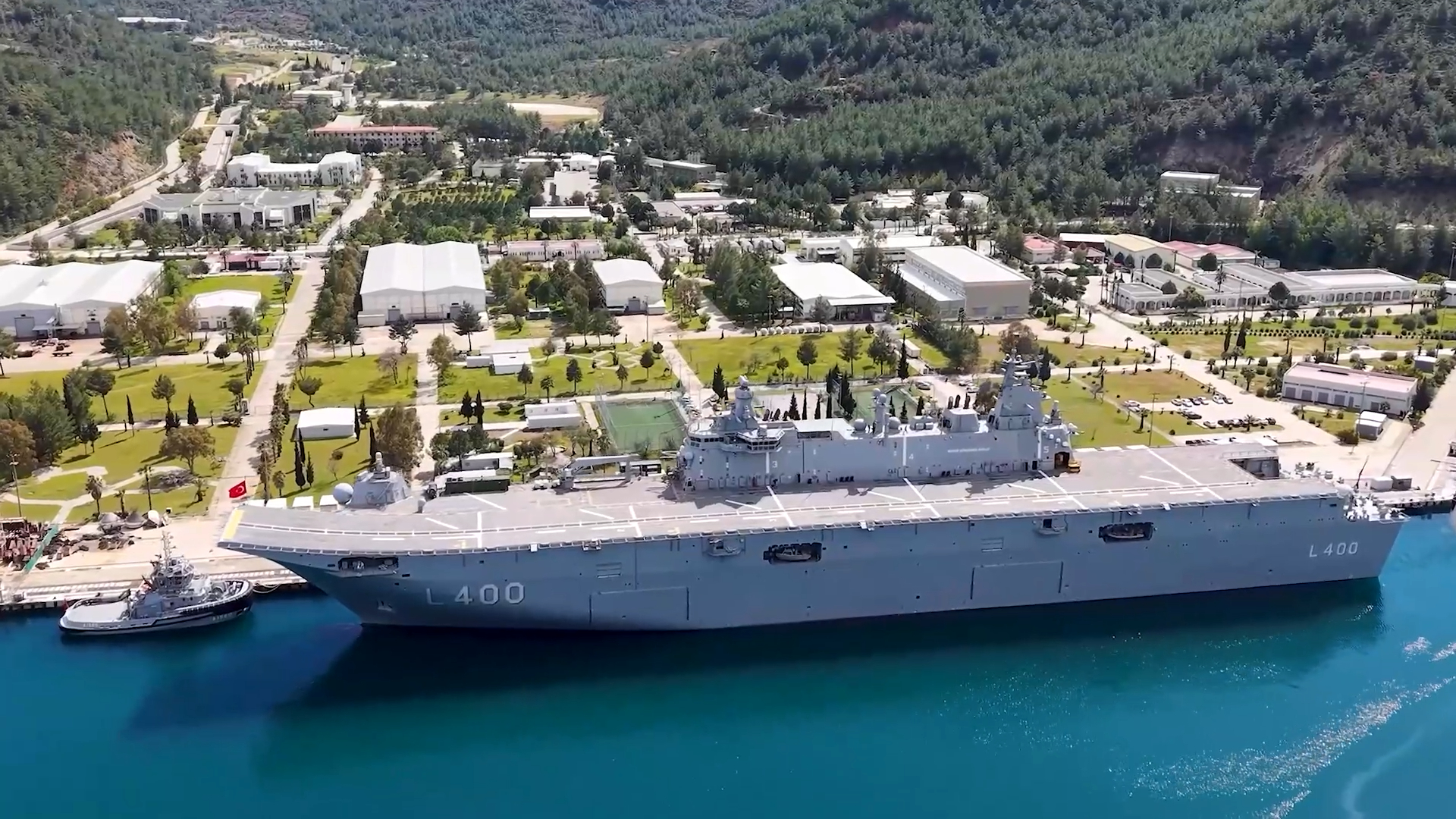
Türkiye is among the member countries that contribute the most to the NATO budget. Since joining the NATO Infrastructure Program in 1953 until 2012, Türkiye contributed a total of €270 Million to the program. In return, during this period, it received approximately €4.5 Billion from NATO funds. In other words, for an annual national contribution of €4.5 Million, an average of €75 Million NATO funding was provided. According to the 2024 Annual Report of the Turkish Ministry of National Defense (MoND), in 2024, a total of 2,782,233,581 Turkish Lira was paid in the form of membership fees and contributions to 54 international organizations (99.8% of which are organizations established under NATO), consisting of TL4,063,471 in membership fees to 8 international organizations and TL2,778,170,110 in contributions to 46 international organizations. Based on the 2024 average exchange rate of 32.510 TL/USD, this corresponds to a total of approximately US$85.58 Million paid in contributions and membership fees. In 2018, Türkiye contributed €89.8 Million (approximately US$101 Million) in total to NATO’s common funds. In return, according to the document titled "Activities Carried Out by the Turkish Naval Forces Command in the Last Three Years," prepared by the Turkish Naval Forces Command and published in March 2025, under the NATO Maritime Capability Program Plan (MCMP) approved in April 2024, €106 Million in NATO funding has been planned for the construction of a pier, dock, and shore support facilities for the TCG Anadolu Multi-Purpose Amphibious Assault Ship (L-400) and REIS Class Type 214TN Air-Independent Propulsion (AIP) Submarines at the Aksaz Naval Base Command.
Facilities Provided to the Turkish Land Forces Command through NATO Infrastructure Funds:
Various Ammunition and Supply Material Depots
Headquarters for Peace and War Operations of the Southeast Europe Joint Command
Facilities Provided to the Turkish Naval Forces Command through NATO Infrastructure Funds:
Helicopter Facilities
Ammunition Depots
Torpedo Storage and Regulation Stations
Fuel Depots
Piers and Berthing Facilities
Maintenance and Repair Facilities
Facilities Provided to the Turkish Air Force Command through NATO Infrastructure Funds:
Construction/Modernization of Various Airfields
Fuel Pipelines and Storage Facilities
Fuel Tank Farms
Fuel Pump Stations
Turkish Defense and Aerospace Industry Firms & NATO Projects
Since the 1980s, Turkish Defense and Aerospace Industry companies have partnered with European and the US firms through joint ventures established within Türkiye. However, from 2004 onwards, this strategy shifted toward the development of indigenous defense systems, often incorporating foreign subcontractors rather than formal joint ventures. This transition has significantly enhanced the capabilities and self-reliance of Türkiye’s defense industry.
In recent years, the Turkish defense sector has attracted growing interest from European Union countries and the United States. This momentum is driven by the industry’s NATO strandard, combat proven cost-effective solutions and Türkiye’s reduced reliance on traditional defense suppliers due to the establishement of a strong domestic supply chain. Reflecting this progress, Turkish defense exports reached a record US$7.154 Billion in 2024. This upward trajectory is expected to continue into 2025, with increasing engagement from European, North American and MENA (Middle East and North Africa) markets.
As the 11th largest defence exporter in the world Türkiye exported 230 types of defense and aerospace products to 180 countries in 2024. This impressive global footprint is driven by Türkiye's adherence to NATO standards, cost-effective solutions, and a willingness to engage in technology transfer—factors that have made it especially appealing in Middle Eastern and African markets. Turkish firms have signed numerous high-value contracts across these regions, with over 55% of exports in 2024 going to NATO allies and Ukraine. Turkish Defense and Aerospace Industry exported over 4,500 land vehicles to 40 countries, corvettes to 3 countries, approximately 140 naval platforms to over 10 countries, munitions and missiles to 42 countries, UAVs, Armed UAVs, and UCAVs to over 50 countries, electro-optical systems and stabilized weapon systems to more than 20 countries, radars to 10 countries, weapons, rifles, and pistols of various sizes to 111 countries, and HÜRKUŞ aircraft to 2 countries.
According to President of Türkiye’s Defense Industry Agency (SSB), Haluk GÖRGÜN, approximately 75% of the systems produced by the Turkish Defence and Aerospace Industry, including deliveries to the Turkish Armed Forces, are used by NATO forces. With a defense ecosystem of 3,500 companies, 1,600 of which export (169 over US$1 Million), Türkiye’s defense sector encompasses 1,100+ active projects, a localization rate nearing 80%, a US$3 Billion R&D budget, and a US$100+ Billion total project volume.
Türkiye, with the second-largest NATO force after the United States, and spends over 2% of GDP on defense has been expanding its footprint in Europe day by day:
On May 24, 2021, Poland signed an agreement to purchase 24 BAYRAKTAR TB2 Armed UAVs, becoming the first EU and NATO member state to do so. Deliveries, which began in October 2022, were completed in May 2024.
In October 2023, the Estonian Centre for Defense Investment (ECDI) has awarded OTOKAR, the global land systems manufacturer of Türkiye, a contract for the supply of ARMA 6x6 Armored Personnel Carriers, at a value of around €130 Million, including maintenance equipment and training services. The deliveries started during the second half of 2024 and to be completed by the end of 2025.
On October 18, 2023 the Estonian Center for Defense Investments (ECDI) also signed contracts with NUROL MAKİNA to supply the Estonian Defense Forces with around 100 NMS 4x4 wheeled armored vehicles. The estimated cost of the procurement is at around €70 Million, including NUROL MAKİNA’s NMS 4x4 wheeled armored vehicles, as well as documentation, training, special tools and equipment, and spare parts. 9 companies from 6 different countries participated in the tender process, which lasted approximately two years, and NMS 4x4 was the vehicle that received the highest score as a result of price, performance and schedule evaluations.
On November 19, 2024, a historic agreement covering the export of the BAYRAKTAR TB2 Armed UAVs was signed in Zagreb between BAYKAR and Croatia. As of November 2024, the BAYRAKTAR TB2 is in active service in the inventories of 6 NATO member states and 4 EU member states.
BAYKAR has signed export agreements with 34 countries for the BAYRAKTAR TB2 Armed UAVs, which has also achieved the remarkable milestone of surpassing 1 million flight hours—setting a record that is difficult to reach.
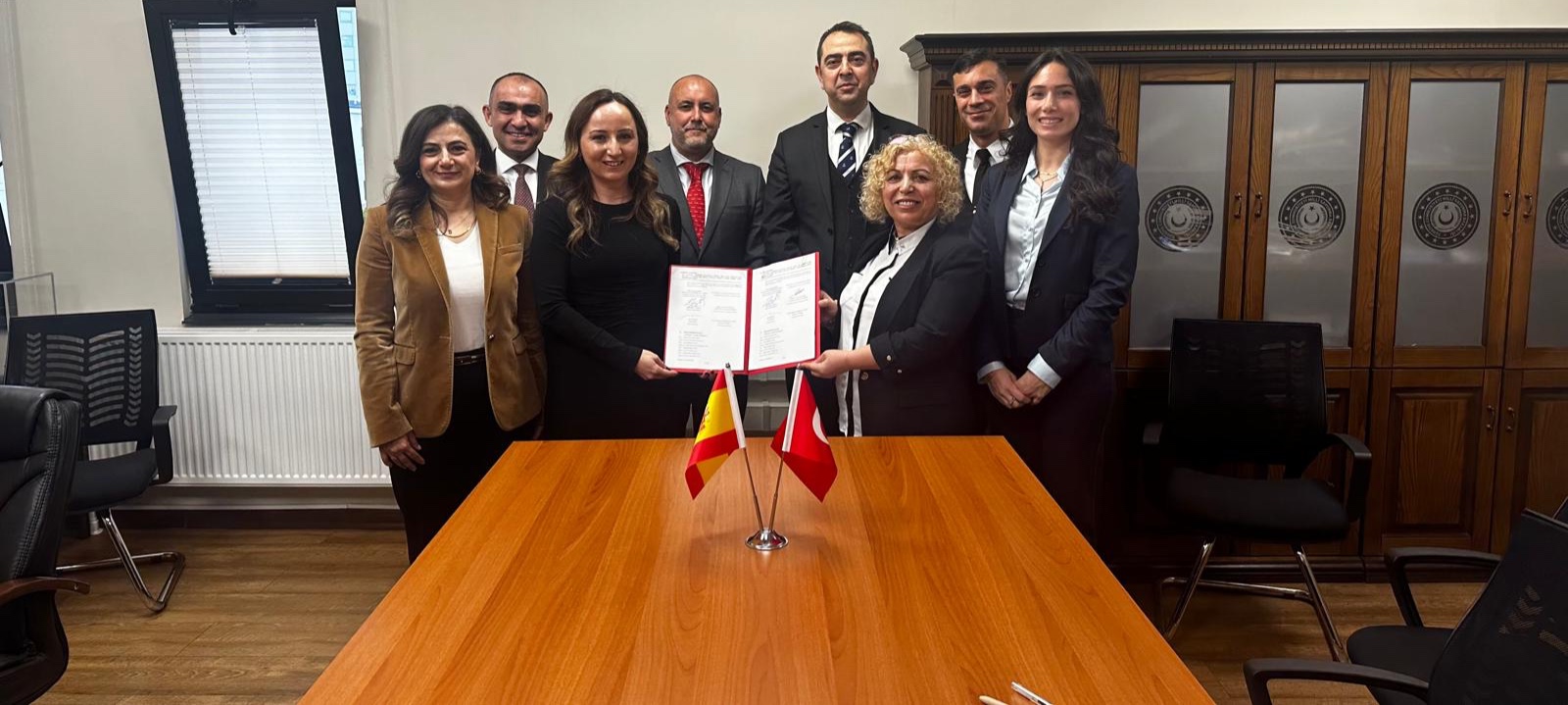
In December 2024, Türkiye and Spain signed an MoU for cooperation on the HÜRJET New Generation Advanced Jet Trainer (AJT) Project, with Spain agreeing to purchase 24 HÜRJET aircraft to replace aging SF-5M AJT fleet in the Spanish Air and Space Force.
On December 17, 2024 Türkiye’s state-owned defense firm STM secured a €123 million contract with the Portuguese Navy to build two Auxiliary Oiler Replenisher and Logistics Ships. Two Auxiliary Oiler Replenisher and Logistics Ships (AOR+) will be designed and built in Türkiye, with STM as the main contractor. This marks the first instance of Türkiye exporting military ships to a European Union (EU) and NATO member state through STM.
On November 27, 2024, OTOKAR signed the agreement through which Romania’s Ministry of National Defense awarded the company the supply of the 1,059 COBRA II 4x4 light tactical armored vehicles at a value equivalent to approximately 857 million euro (excluding VAT). Within the scope of the contract, the first 278 COBRA II 4x4 tactical light armored vehicles will be manufactured in Türkiye while the rest will be manufactured in Romania.
In December 2024 BAYKAR acquired Italy’s Piaggio Aerospace, boosting Türkiye’s presence in European defense aviation.
In February 2025, Turkish firm REPKON signed a high-volume contract with a German company to establish a turnkey 155mm explosive filling facility in Germany by 2027, which will boost the country’s 155-millimeter artillery production capacity.
In May 2025 Italian defense giant and one of Europe's biggest defense industry companies Leonardo and Turkish UAV producer BAYKAR signed a cooperation deal.
In June 2025, during Paris Air Show 2025, BAYKAR and Leonardo launched LBA Systems, a 50:50 joint venture headquartered in Italy focused on unmanned aerial systems (UAS).
Turkish Defense and Aerospace Industry companies such as TEI, AYESAŞ, STM, Ctech and ASELSAN, have increasingly participated in NATO projects and tenders since late 1990s, reflecting Türkiye’s growing industrial capability and deeper integration into NATO’s defense ecosystem.
Since 1999, TEI (TUSAŞ Engine Industries) has been providing Depot-Level Maintenance services for the TF33 engines of NATO E-3A Sentry AWACS aircraft fleet. Thanks to its successful efforts in this area, TEI was selected as the “Best Engine Maintenance Company” by NATO Support and. Procurement Agency (NSPA) and International Aerospace Management Company (IAMCO) in the years 2004, 2008, and 2011. The NATO AWACS (Airborne Warning and Control System) aircraft, known as NATO’s “eyes in the sky”, play a unique and vital role in protecting allied airspace. The 18,000- and 24,000-hour scheduled depot-level maintenance and unscheduled depot-level repairs of the TF33-PW-100A engines used in these aircraft are being carried out under a contract between TEI and IAMCO (International Aerospace Management Company), which entered into force on January 1, 2022, and will remain valid until December 31, 2031. This work is performed in cooperation with TEI and the 1st Air Maintenance Factory Directorate. Under this agreement, TEI has also been authorized to maintain and repair certain components and accessories of the engine—such as pumps, oil coolers, and piping systems. Since the start of the project in 1999, more than 150 TF33-PW-100A engines have undergone scheduled maintenance and unscheduled repairs at TEI and were delivered back to the operational units. On October 31, 2023, TEI was accredited as the second organization capable of meeting airworthiness requirements under the contract and was awarded the “NAEW 145 Maintenance Organization Accreditation Certificate.” Under this certificate, the TF33-PW-100A engines, along with their components and accessories, have been permanently included in TEI’s capability list.
Founded in 1990, AYESAŞ has established itself as a significant player in the defense and aerospace sectors through the successful execution of projects for both domestic and international clients. In the 2000s, the company participated in four separate NATO projects, including the E-3A AWACS Modernization Project. As part of the mid-life upgrade of NATO’s E-3A Sentry AWACS aircraft, AYESAŞ carried out cable harness production. The company also produced cable harnesses for the avionics, communication, surveillance, and air traffic management (CNS/ATM) modernization programs of the same aircraft. Within the scope of the NATO AWACS E-3A Modernization Project, AYESAŞ performed the production of 139 types of cable harnesses for Boeing and undertook console development and manufacturing activities for General Dynamics Canada. In 2009, the company was assigned to NATO ACCS Integration projects and, in December 2009, signed a contract with Allied Command Systems International, a company working under Thales Raytheon Systems on the NATO ACCS Project. Under the contract, which became effective in April 2010, AYESAŞ acted as the sole subcontractor for the integration of ACCS, NATO's air command and control system, into ARS in Türkiye and carried out the system integration, field planning, installation, testing, integration, and warranty activities for the work to be performed in Türkiye within the scope of the ACCS Project. Additionally, under an agreement signed with the Turkish Ministry of National Defense (MoND), the company also integrated the Turkish Mobile Radar Complex (TMRK, TRS-22XX radars) into NATO ACCS. In this context, both the connection of NATO-funded radars to Command, Control, and Communication (C3) systems and the integration and adaptation of nationally procured TRS-22XX radars to control and reporting centers outside of C3 and to NATO ACCS were successfully completed. AYESAŞ also developed the NATO ADGE / NAEW System and HQ (Have Quick) System Projects to ensure that the command and control systems of the NADGE (NATO Air Defense Ground Environment) radars stationed in Türkiye operate on workstations instead of mainframes/servers. As part of this project, a workstation-based command and control system has been developed and successfully deployed throughout NATO for the first time. Meanwhile, thanks to its expertise in command, control, communication and computer (C4) systems, and experience in project management and its ability to work harmoniously with international institutions and organizations, the company become the first Turkish prime contractor who has been awarded a contract with the NATO Communications and Information Agency (NCI) for the Air Traffic Management Gateway (ATMGW) under the NATO Security Investment Program (NSIP). ATMGW, a unit integrated into the air defense system within the Air Command and Control System (ACCS) installed in NATO countries, enables the exchange of information between ACCS and the Air Traffic Center (ATC) for civil air traffic units. The ACCS can therefore receive and transmit information on flight plans on a need-to-know basis. In the project where we are the main contractor, we take responsibility for the development of ATMGW's hardware and software as well as for training and warranty services. Air Traffic Control Gateway (ATMGW), which is actively used in practice, has been installed in a total of 11 NATO countries.
STM (Savunma Teknolojileri Mühendislik ve Ticaret A.Ş.), which has delivered 7 different exports to NATO in decision support systems, has secured two major NATO contracts in January 2023 from the NATO Communications and Information Agency (NCIA) to develop NATO’s next-generation intelligence software systems. The project, named INTEL-FS2, is one of the largest software contracts NATO has awarded to a Turkish company and will transform intelligence processing across all NATO commands globally. INTEL-FS2 is notable for being developed using agile methodology, featuring microservices architecture, modern UI/UX, and integration with NATO's own platforms. It will manage the direction, collection, and use of intelligence data. STM also supports NATO with systems like INT-CORE (Integration Core), SIMDES (Simulation-Based Decision Support), and strategic decision models to manage shocks like pandemics and cyberattacks.
CTech, a subsidiary of Turkish Aerospace Industries (TUSAŞ), was awarded a contract by the NATO Communications and Information Agency (NCIA) in October 2024 to supply the SecureARX Electronic Protected Modulation System (EPMS) for military satellite communications. CTech’s SecureARX system, known for its jam-resistant and secure communication capabilities, will be deployed across NATO’s ground segments and satellite communication infrastructure. This award displaced a longstanding European supplier, marking a major milestone for Türkiye in NATO’s high-tech defense supply chain. The company will deliver hundreds of units over three years, enhancing NATO's secure communication resilience under harsh operational conditions.
In May 2025, ASELSAN, flagship of the Turkish Defence and Aerospace Industry, was selected as one of five global contractors by the NATO Support and Procurement Agency (NSPA) for the Ground-Based Air Defense (GBAD) project. ASELSAN joins Airbus, Lockheed Martin UK, Raytheon, and Thales in shaping NATO’s future modular air defense system architecture. Türkiye’s HİSAR and SİPER Air Defense Systems and Steel Dome layered architecture, along with the HAKİM 100 Air Command Control System, showcased ASELSAN’s technological depth and NATO interoperability. According to the statement issued by the NSPA under the agreement, the five contractors will initially focus on concept studies involving system architecture development. The comprehensive system architecture framework will guide future work on modularity and new technologies. Project deliverables are planned for mid-September, with the most suitable system architectures to be evaluated based on these submissions. ASELSAN's role in the concept development phase highlights its credibility as both a defense technology provider and strategic systems integrator.
Turkish Defence and Aerospace Industry firms participation in NATO projects supports Alliance interoperability, reduces dependency on non-NATO suppliers, and opens up commercial and strategic opportunities for Turkish firms in allied markets. Continued participation is also aligned with Türkiye’s aspirations to be a major defense exporter and technology contributor on the global stage. The recent successes of Turkish defense companies in international tenders issued by NATO reflect not only Türkiye’s military capabilities but also its growing influence and reliability within NATO as a technology exporter and innovator. With companies like STM, CTech, and ASELSAN leading key NATO modernization projects in intelligence, communications, and air defense, Türkiye has clearly moved beyond being a defense consumer to becoming a core contributor to NATO's future defense infrastructure. With its increasing exports, NATO-standard innovations, combat proven indigenous systems, and expanding international partnerships—especially within Europe—Türkiye has firmly positioned itself as a strategic, reliable defense partner. Ranked as the 11th largest defense exporter globally, Türkiye is not only shaping its national defense future but also contributing meaningfully to collective security across NATO and beyond.
Conclusion
As stated in the lines above, NATO’s support and contributions to Türkiye, particularly in military matters throughout its 73-year membership, have been of vital importance both for Türkiye’s national security and NATO’s broader strategic objectives. During this period, Türkiye has significantly contributed to NATO’s operational capabilities and effectiveness by actively participating in NATO-led military operations and missions and by providing logistical support. At the same time, it has benefited from NATO’s collective defense mechanisms in response to security threats and has made maximum use of NATO funds for the modernization of its armed forces in terms of both equipment and infrastructure.
Since the 2000s, Türkiye has focused on the indigenous development of defense systems. As a result, it now stands out as a serious player in the international defense market with cost-effective, high-tech, NATO-standard indigenous solutions, some of which have proven themselves in combat. Türkiye’s NATO membership, which began 73 years ago as a ‘Mutual Necessity’ addressing just the security needs of both sides, has over time evolved into a partnership based on ‘Mutual Benefit’ in terms of defense cooperation, political solidarity, technology exchange, and global influence. It is clear that as NATO continues to evolve to address emerging security challenges, Türkiye, holding a key role and strategic importance within the Alliance, will continue to fulfill its responsibilities successfully. With its strategic location, modern defense industry, the operational capabilities of its Armed Forces, and active political engagement, Türkiye remains a vital and dynamic member helping to shape the future of the Alliance