Acquisition of Autonomous Systems
Introduction:
Most of the Armed Forces accelerate their investments in autonomous systems. Additionally, some non-state actors have reached a level where they can use autonomous systems quite effectively. Therefore, not only studies on autonomous systems but also deterrence and defense against autonomous systems are gaining importance.
The successful use of autonomous systems by Ukraine is quite remarkable. Ukraine's neutralization of Russia's Black Sea fleet, despite not having an effective navy, is a very important example. The "Army of Drones" and the subsequent "Army of Robots" projects are also yielding successful results. As a result of these successes, the efforts to establish "The Unmanned Systems Forces (USF)" as a separate force in addition to the Land, Naval and Air forces are sufficient examples to express the importance of autonomous systems.
The effective acquisition and procurement of autonomous systems is an important force multiplier in this regard. While the acquisition and procurement processes of industrial age, traditional weapon systems such as tanks, helicopters, fighter jets and ships are carried out with classical methods, the processes of autonomous systems, which are among the digital age weapon systems, are considered to be much more complex and in need of development. Some of the reasons for this conclusion are the difficulties in the preparation of operational concepts for autonomous system use in the battlefield and the difficulties in determining operational requirements, the acceleration and the faster progress of technological developments than the operational concepts. In this context, the acquisition and procurement processes that can enable autonomous systems to enter the battlefield effectively, and therefore the work to be carried out by Acquisition and Procurement Agencies (ApAs) gain importance.
Autonomous Systems Analysis:
Autonomous systems are among the most important systems of the digital age that can shape the future combat environment. The ability of autonomous systems to operate tirelessly in dull, dangerous, dirty and challenging environments such as chemical and nuclear environments is considered as an important characteristics. Autonomous systems can be defined as systems that can make their own decisions without the need for humans. Very basic levels of autonomy and their explanations are given below.
Fully Automatic: Dealing with systems and technology that, in response to inputs, follows a predetermined set of rules to provide a predictable outcome.
Semi-Autonomous: Dealing with systems and technology with the ability to function, within parameters established by programming and without outside intervention, in accordance with desired goals.
Fully Autonomous: Dealing with systems and technology with the ability to function, within parameters established by programming and without outside intervention, in accordance with desired goals, based on acquired knowledge and an evolving situational awareness. Autonomous systems can make decisions faster than humans using the OODA (Observe, Orient, Decide, Act) cycle.
Autonomous system design processes in the digital age have significant changes when compared to the industrial age. While the technologies emerging in the industrial age replace human muscle power, the technologies emerging in the digital age aim to replace human brain functions such as decision-making. In addition, the fact that technological developments occur very rapidly and destructively in a way to eliminate past technologies has significant effects on autonomous system design.
The replacement of human functions by technology, its rapid development and its destructive effect cause difficulties in developing concepts for the adaptation of autonomous systems to the battlefield and in determining the operational requirements. At this stage, sometimes concept development drives the design, while sometimes technological capabilities drive the design of autonomous systems.
In this framework, autonomous system design differs from industrial age system design. Technological developments such as command and control, communication and AI come to the forefront in autonomous system design. On the other hand, effects such as cyber-attack and electronic warfare that may prevent the use of these technologies should be taken into account when developing autonomous systems. In order to keep pace with technological developments, open system architecture should be emphasized in design. In order to support concept development and ensure flexibility, issues such as digital twin production or digital engineering should be considered. In parallel with this, there is also an emphasis on the rapid production of a prototype and iterative development of technology and concepts using this prototype. For similar reasons, another method used is to first produce a limited number of autonomous systems and then move on to final production after receiving the necessary feedback from the soldiers.
Although technological developments are advancing rapidly, these developments are not sufficient for the development and safe use of fully autonomous systems on the battlefield. For now, the use of automatic or semi-autonomous systems is more preferred. With the future developments, the design and use of fully autonomous systems will be realized. For this reason, the level of technology in the design of autonomous systems should be followed well to ensure maximum utilization and adaptation of the technology to the battlefield.
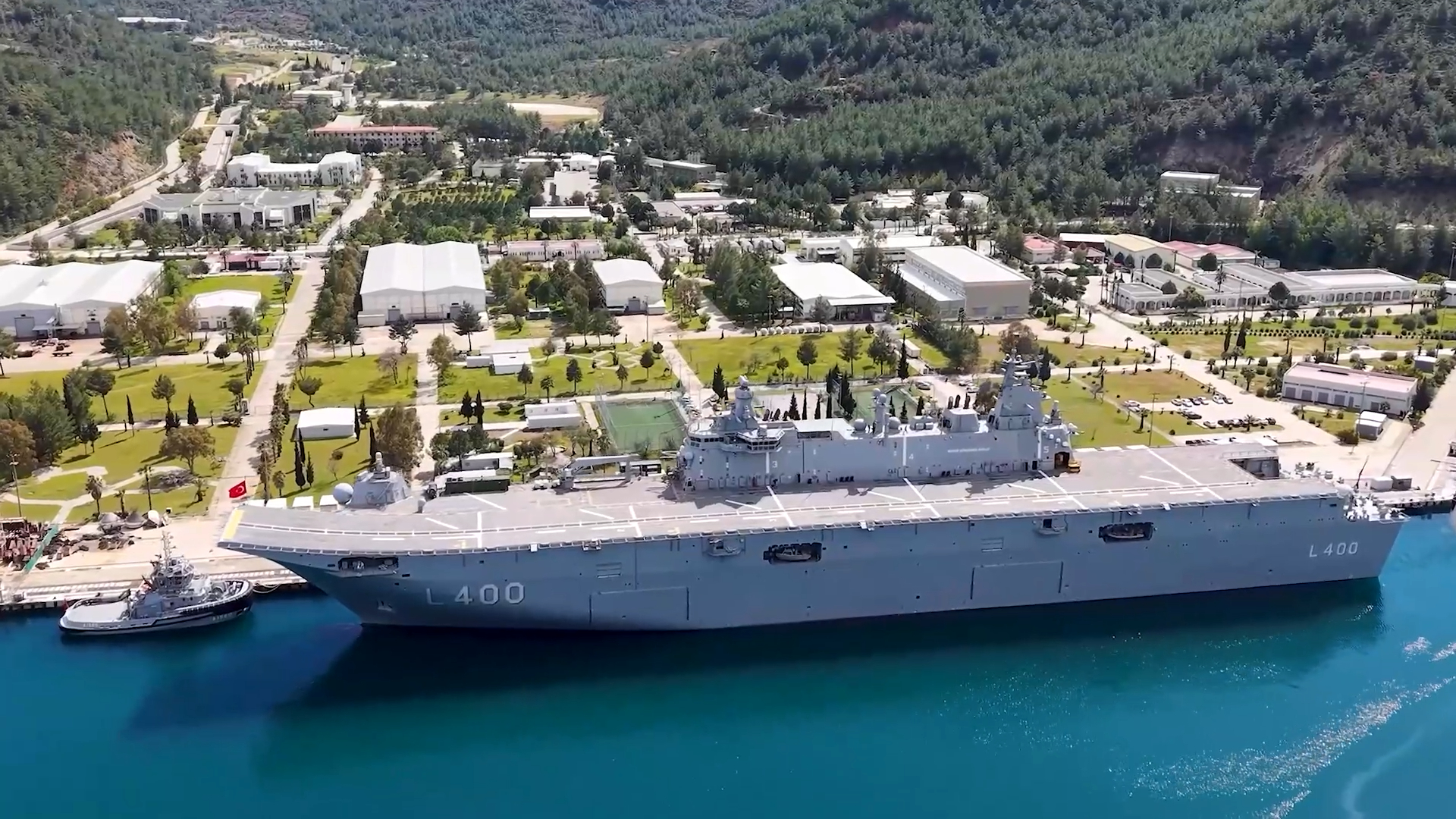
Three methods can be used in autonomous system design. The first one is the autonomous use of industrial-age manned systems such as tanks, helicopters, warships and aircraft, and the development of unmanned systems. The ability to use industrial-age weapon systems both manned and unmanned can provide significant benefits, especially in terms of design speed and cost. The second method is the autonomous design of some subsystems of an industrial-age weapon system. These include the autonomous design of the tank turret, the autopilot in fighter jets, and the missile detection and defense system in warships. The third method is the design of unmanned systems. The design of completely unmanned systems such as UAVs, USVs and UGVs requires more time and effort.
APAs need to understand the design and concept of autonomous systems and improve their capabilities to acquire and procure the system effectively. I may recommend 3 lines of effort in this regard. First line will be to increase the knowledge of the systems and capacity building, second line can be development of necessary procedures and third can be to have proper Cooperation and networking with necessary institutions such as universities and R&D institutions.
Conclusion:
Acquisition and procurement of digital age systems such as autonomous systems are as important as design and military concept of the systems. APAs need to be aware of this reality and develop their capabilities. APAs may adapt three lines of effort explained above to improve their capabilities. This is an important force multiplier for the digital age armed forces.
Editor Note: For further and more detailed questions, please contact the author at the following e-mail address: yavuz.turkgenci@defence-turkey.com